



-
CUSTOM
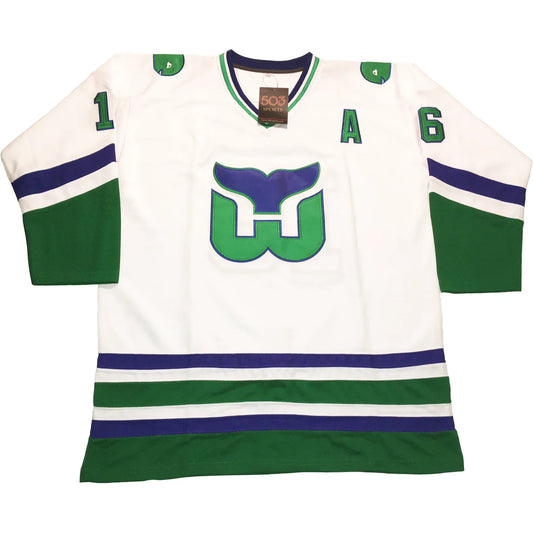
1980s Hartford Whalers Jersey
Regular price Starting at From $131.00 CADRegular priceUnit price per -
-
CUSTOM
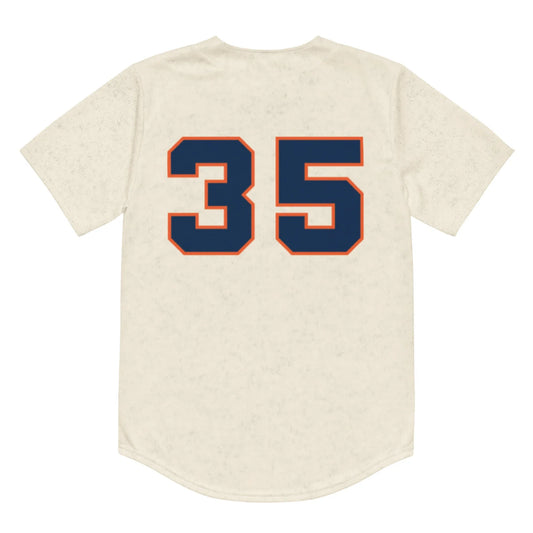
Houston Colt 45's Custom Jersey
Regular price Starting at $124.00 CADRegular priceUnit price per -
-
CUSTOM
Dirty Bird Jersey
Regular price Starting at $167.00 CADRegular priceUnit price per -
-
CUSTOM
Steel Curtain Jersey
Regular price Starting at $167.00 CADRegular priceUnit price per -
-
Houston Colt 45's Replica Jersey
Regular price $102.00 CADRegular priceUnit price per -
CUSTOM
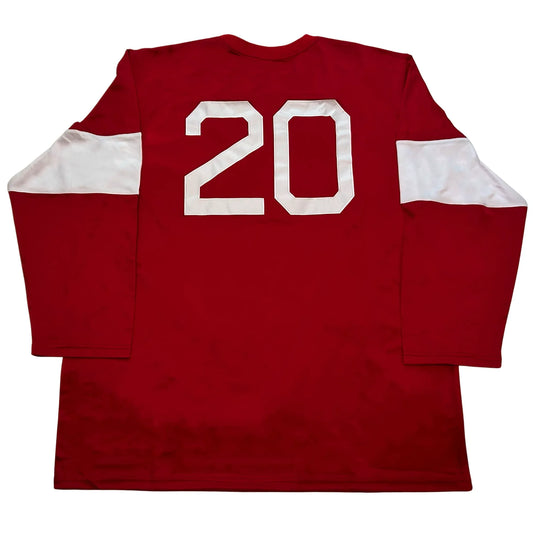
Canton Long Sleeve Football Jersey
Regular price Starting at $174.00 CADRegular priceUnit price per -
-
CUSTOM
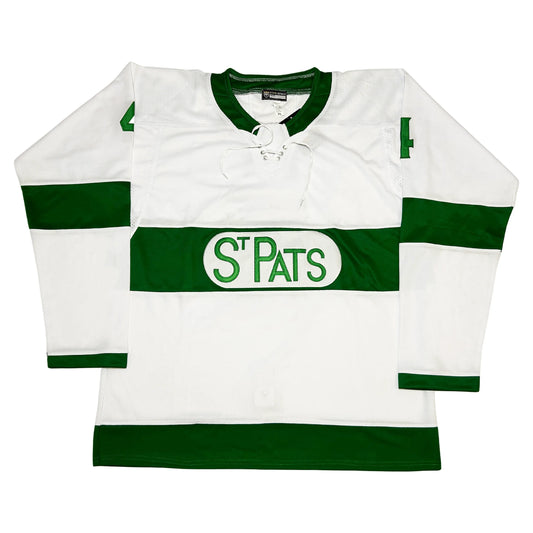
Toronto St Patricks Jersey
Regular price Starting at $181.00 CADRegular priceUnit price per -
-
CUSTOM
Lightning Bolt Jersey
Regular price Starting at $167.00 CADRegular priceUnit price per -
-
CUSTOM
Atlanta Flames Jersey
Regular price Starting at From $131.00 CADRegular priceUnit price per -
-
CUSTOM
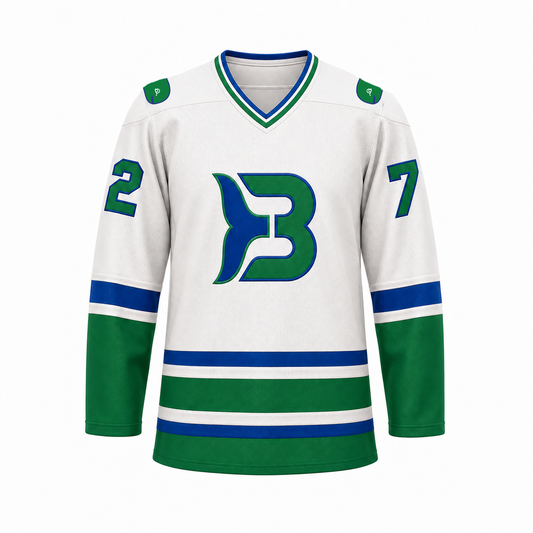
Binghamton Whalers Jersey
Regular price Starting at From $131.00 CADRegular priceUnit price per -
-
CUSTOM
1975 Kentucky Colonels Jersey
Regular price Starting at $124.00 CADRegular priceUnit price per -
-
CUSTOM
IHL Houston Aeros Jersey
Regular price Starting at From $131.00 CADRegular priceUnit price per -
-
CUSTOM
Canada Cup Team Canada Jersey
Regular price Starting at From $131.00 CADRegular priceUnit price per -
-
CUSTOM
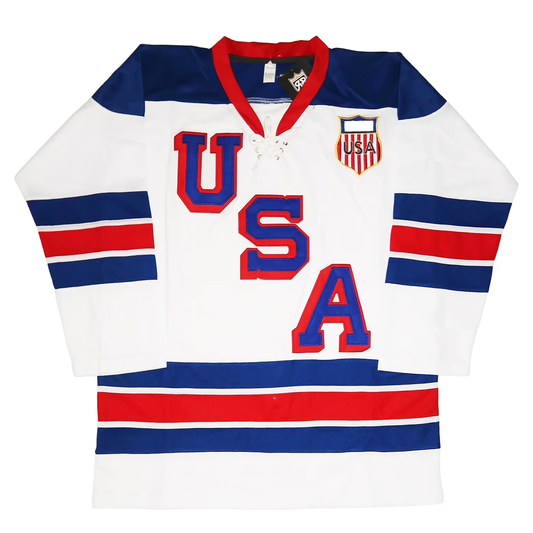
1960 USA Hockey Jersey
Regular price Starting at From $131.00 CADRegular priceUnit price per -
-
CUSTOM
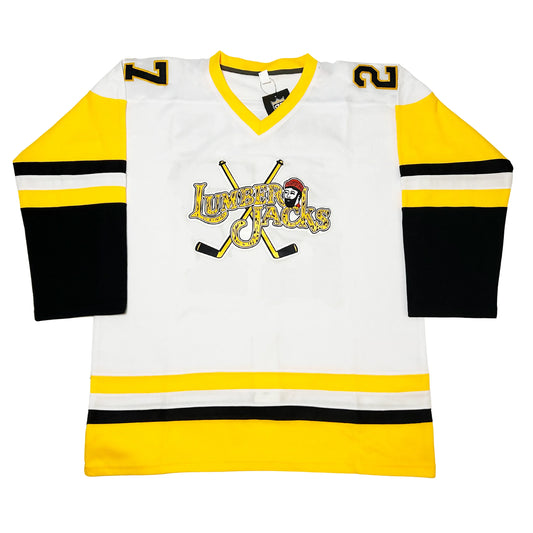
Cleveland Lumberjacks Jersey
Regular price Starting at From $131.00 CADRegular priceUnit price per -
-
CUSTOM
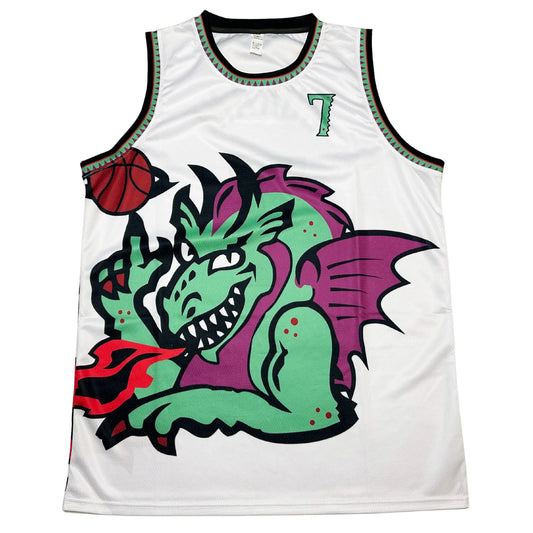
New Jersey Swamp Dragons Custom Jersey
Regular price Starting at $124.00 CADRegular priceUnit price per -
-
CUSTOM
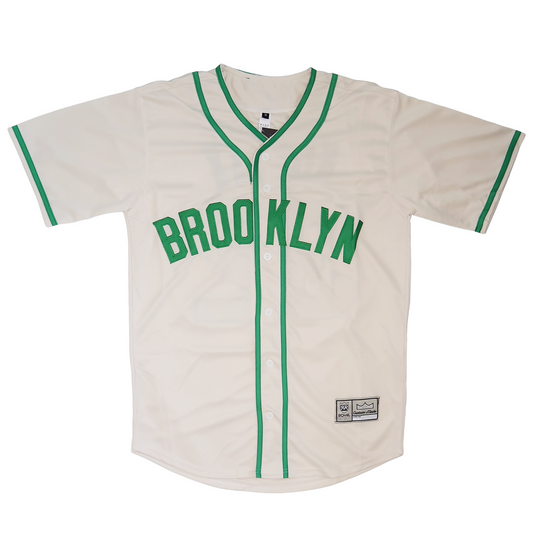
Brooklyn Baseball Jersey
Regular price Starting at $124.00 CADRegular priceUnit price per -
-
CUSTOM
Classic P Baseball Jersey
Regular price Starting at $124.00 CADRegular priceUnit price per -


















Throwback Jerseys — Every Defunct League, One Collection
890+ Throwback Jerseys from Vanished Leagues. Free Custom Name & Number on Most Styles. Sizes S–5XL. $29.99–$149.99.
Royal Retros stocks 892 active throwback jerseys pulled from leagues that most stores do not carry at all — spring-league football, Negro Leagues and international baseball, the World Hockey Association and other defunct hockey circuits, the ABA and BAA, indoor and outdoor soccer, and roller derby going back to the 1960s. Prices run from $29.99 to $149.99 depending on sport and construction, with most custom jerseys landing between $69.99 and $119.99. Sizes run Small through 5XL on the large majority of styles, with a Goalie Cut option on several hockey builds. Free custom name and number on most jerseys, made to order. This is not a "retro style" catalog of generic throwback graphics — every jersey here is built around a real team identity, from franchises that folded in a single season to leagues that ran for decades before television deals and mergers ended them. Most catalogs that carry throwback apparel pick two or three defunct leagues and stop; this one covers six sports and more than twenty of them, which is why it functions as much as a research library as a storefront.
Shop Throwback Jerseys by Sport
Football — 315 active throwback football jerseys, the largest single category in the collection, priced from $49.99 to $119.99 with most custom tackle-twill styles at $109.99–$119.99 and lighter screen-print builds starting around $69.99. This is where the collection runs deepest: three separate incarnations of the USFL and UFL, the XFL's two eras, Arena Football's three-league family tree, the All-America Football Conference, the World Football League, the Alliance of American Football and a long tail of regional and minor-league circuits that never made it past a handful of seasons. If a professional football league operated outside the currently active NFL and folded, there is a reasonable chance its jerseys are represented here.
Baseball — 262 active throwback baseball jerseys, $49.99 to $149.99, with the bulk of custom flannel-style jerseys at $84.99 and a smaller run of premium builds at $149.99. Negro League Baseball is the backbone of this category and the single deepest league on the entire site, alongside international baseball and the short-lived Federal League, a rival major league from the 1910s that most fans have never heard of.
Hockey — 181 active throwback hockey sweaters, $29.99 to $119.99, with most custom jerseys at $89.99–$119.99 and a handful of budget styles under $30. Covers the World Hockey Association — the league whose 1979 merger reshaped the modern NHL — the International Hockey League, Roller Hockey International, and general defunct-team hockey builds outside those named leagues. Several styles include a Goalie Cut option built with the extra room a goaltender's pads and equipment require.
Basketball — 100 active throwback basketball jerseys, $49.99 to $84.99, spanning the ABA's red-white-and-blue ball era, famous for introducing the three-point shot to professional basketball, and the Basketball Association of America, the league that merged into today's NBA in 1949. Basketball's price range is the tightest of any sport in the collection, which makes it an easy category to shop across multiple teams at once.
Soccer — 11 active throwback soccer jerseys, $84.99 flat, drawn from the North American Soccer League and the Major Indoor Soccer League — the two leagues that briefly made soccer a mainstream American sport in the 1970s and 80s, packing arenas with imported international stars before both folded. It is the smallest category by count in this collection, but the jerseys are some of the boldest color-and-graphic designs represented anywhere on the site.
Roller Derby — 23 active jerseys, $84.99–$109.99, covering banked-track roller derby teams from the 1960s through the 1990s, well before the sport's current flat-track revival. These are some of the most visually distinctive jerseys in the whole collection, built around an era of roller derby that ran more like professional wrestling than a conventional league sport.
Shop Throwback Jerseys by League and Era
This is the deep end of the catalog. Every league below is its own collection page with its own teams, years and product detail — use this section as a directory rather than trying to find everything from a single search bar. Several of these leagues share confusingly similar names with each other, or with leagues that exist today; where that happens, the notes below call it out specifically so you land on the right collection the first time.
Football leagues: the USFL (the original 1983–85 spring league and its 2022–23 revival), the XFL, the UFL (the 2024–present USFL/XFL merger), the earlier 2009–2012 UFL — a separate, unrelated league despite the shared name — the All-America Football Conference of the late 1940s, the WLAF, which grew into NFL Europe before folding in 2007, the 1974–75 World Football League, the 2019 Alliance of American Football, regional minor-league football, and other football — a catch-all for pre-1952 professional football and the original 1960s American Football League, presented here without naming specific franchises. Arena football has three collections of its own: AF1, the current Arena Football One league; AF2, its former developmental circuit; and the Arena Football League, the original indoor league that ran from 1987 to 2008 — not to be confused with the 1960s American Football League above, a naming collision worth flagging since both go by "AFL" in casual conversation.
Baseball leagues: Negro League Baseball, the deepest and most historically significant collection on the site, covering the teams and eras of Black professional baseball before 1947; international baseball, covering leagues and national teams outside the U.S. minor and major league system; and the 1914–15 Federal League, the short-lived third major league that briefly rivaled the American and National Leagues on salary and talent before collapsing.
Hockey leagues: the World Hockey Association, the rebel league that ran from 1972 to 1979 and forced the merger that reshaped modern hockey; the International Hockey League, the top minor-pro circuit for most of the 20th century; and Roller Hockey International, the in-line hockey league that ran through the 1990s — a different sport from roller derby, and not covered by the same licensing arrangement.
Basketball leagues: the ABA, the red-white-and-blue-ball league that introduced the three-point shot and the slam dunk contest before four franchises joined the NBA in 1976; and the BAA, the Basketball Association of America, which merged with the National Basketball League in 1949 to form the modern NBA.
Soccer leagues: the NASL, the North American Soccer League that brought the sport's biggest global stars stateside in the 1970s, and the MISL, the fast-paced indoor league that thrived through the 1980s.
For jerseys organized by construction rather than league, browse custom jerseys (personalized with your own name and number, made to order) and replica jerseys (pre-made, no customization required, faster turnaround).
What Makes a Royal Retros Throwback Different
Most "throwback style" jerseys sold online are generic — a template jersey with a team's colors dropped in and a logo screen printed on. Royal Retros builds around the actual team identity for each era: correct colors, correct wordmarks and numeral fonts for the years the jersey represents, and construction that matches how the sport built jerseys in that period as closely as a modern reproduction reasonably can.
Construction varies by sport and by price tier. Football throwbacks split between tackle-twill construction — where the numbers and team name are cut from twill fabric and sewn or heat-applied onto the jersey body, the same basic technique used on authentic on-field jerseys — and screen-print construction, where graphics are printed directly onto the fabric. Tackle twill costs more and holds up better over decades of wear; screen print is lighter, less expensive and perfectly serviceable for a jersey that will see occasional wear rather than daily use. Baseball throwbacks follow a similar split between flannel-look button-front jerseys, built to echo the wool flannel uniforms baseball wore before 1970, and modern knit pullovers, which is how most baseball uniforms have actually been constructed since polyester double-knit fabric replaced flannel in the early 1970s. Hockey sweaters use heavier knit fabric than jerseys in the other three sports, consistent with how hockey jerseys have always been built to survive contact and skate-blade snags. Basketball jerseys are mesh or mesh-blend tank construction, matching the ventilated fabric basketball has used since the 1970s.
Fonts and colors matter as much as fabric. A 1970s WHA jersey used different typography than a 1980s USFL jersey, which used different typography than a 1990s IHL jersey, and getting that detail right is the difference between a jersey that reads as "that team, that year" and one that reads as a generic reproduction with the right colors.
Basketball and soccer follow their own construction logic. Basketball jerseys in this collection use mesh or mesh-blend tank fabric, matching the ventilated construction basketball has used since the 1970s, when heavier cotton-blend jerseys gave way to lighter synthetic mesh built for a faster, more athletic game. Soccer jerseys use lightweight knit construction similar to what NASL and MISL teams wore in the 1970s and 80s, an era when soccer kits were noticeably simpler than the sponsor-heavy, multi-panel jerseys the sport wears today. Roller derby jerseys split between the sport's mid-century tank and short-sleeve styles, depending on which decade a given team's design represents.
Construction grade is a separate decision from era. A buyer can choose a tackle-twill authentic-grade jersey or a screen-print replica-grade jersey for the same team and the same year — the era the jersey represents does not force a construction choice. That is why this collection spans $29.99 to $149.99: the range reflects construction grade and sport-specific fabric cost as much as it reflects which league or decade a jersey comes from.
Care matters more on higher-grade builds than most buyers expect. Sewn tackle-twill numbers and heavier game-weight fabric hold up to years of occasional wear when washed cold and hung or laid flat to dry; high heat is the single fastest way to shrink a jersey or warp a sewn number out of shape, regardless of which sport or era it represents. Screen-printed graphics are generally more forgiving of a standard wash cycle but can crack or fade over many years faster than sewn construction — a trade-off worth knowing before deciding which grade fits how the jersey will actually be worn.
Customization and Sizes
Customization — Free custom name and number on most jersey styles across every sport in this collection. Custom jerseys are made to order once you submit your name and number, which means production time is longer than an in-stock item but the result is a jersey with your name on the back of a team that has not existed in decades. Custom items are final sale once production starts.
Sizes — Most styles run Small through 5XL, sampled and confirmed across football, baseball and hockey product lines in this collection; several hockey jerseys also offer a Goalie Cut option built with the extra room a goaltender's gear requires. Check the size chart on each individual product page before ordering, since a small number of styles run a narrower range than the S–5XL house standard.
Ordering for a team or a group — Because most jerseys in this collection are made to order with individual customization, ordering the same style in multiple sizes and multiple names for a family, a beer-league team or a fantasy football league draft-day gift is straightforward — each jersey is produced individually against the name and number submitted for it. Build time scales with order volume during high-demand periods, so plan ahead for events with a fixed date.
Why Royal Retros
- Depth no generalist retailer matches. 892 active throwback jerseys across six sports and more than twenty defunct or historic leagues, not a handful of "vintage-style" designs recycled across every team.
- Real team identities, not generic templates. Colors, wordmarks and numeral fonts built to match the years each jersey represents.
- Construction that fits the price point. Tackle twill and flannel-look builds where a sport calls for it, modern knit construction where that is what the era actually wore.
- Free customization on most styles. Your name and number on a jersey from a league that no longer exists.
- Sizes S–5XL on the large majority of the catalog. No blanket claim beyond what is confirmed on the product page — check before you order.
- A directory, not just a storefront. More than two dozen league and category pages linked directly from this hub, each with its own detail, so a fan of any one of these leagues has a real research resource, not just a search bar.
Quick Buying FAQ
Can I add my own name and number? Yes, on most custom jersey styles across every sport, at no extra charge.
How long do custom jerseys take to ship? Custom jerseys are made to order and typically ship in 7–14 business days depending on style and current production volume; replica jerseys, which are pre-made, generally ship faster.
Do ship times vary by sport? Construction complexity varies more within a sport than across sports — a heavier tackle-twill football or hockey build can take longer to produce than a lighter screen-print jersey in any category, so check the estimated production window listed on the specific product page rather than assuming every jersey in a given sport ships on the same schedule.
What sizes are available? Most styles run Small through 5XL. A few run a narrower range — check the size chart on the individual product page.
Can I return a custom jersey? Custom, made-to-order jerseys with your name and number are final sale once production begins. Pre-made replica jerseys follow standard return policy — check the product page and order confirmation for specifics.
How do I pick the right size? Compare your chest and length measurements against the size chart linked on each product page rather than ordering your usual T-shirt size — athletic-cut jerseys, especially football and hockey styles, run differently than streetwear.
Are these officially licensed? Status varies by league and is not uniform across this collection, since it spans dozens of leagues with different histories and different rights holders. Visit the specific league or team collection page linked throughout this page for that league's status before you buy.
Gift Ideas
- A jersey from the league a parent or grandparent actually watched — WHA hockey, ABA basketball or Negro League baseball are the most common "I remember watching that" gifts.
- A custom jersey with a family name and number from a spring-football league that only existed for a season or two — a genuine conversation piece.
- A roller derby jersey for a fan of the sport's original banked-track era, well before its current revival.
- A soccer jersey from the NASL or MISL for anyone who remembers when American soccer briefly had marquee stars and packed arenas.
What Is a Throwback Jersey, Exactly?
A throwback jersey is a jersey designed to replicate a specific team's uniform from a specific past season or era, as opposed to a jersey built to a team's current, ongoing design. The term applies regardless of construction quality — a $29.99 screen-print jersey and a $149.99 tackle-twill jersey can both be "throwbacks" if they are both built to replicate the same 1975 design. What makes a jersey a throwback is the design it replicates, not how expensively it is made.
What's the Difference Between Authentic, Replica and Throwback?
These three terms describe different things and get used interchangeably, which causes most of the confusion buyers run into. "Authentic" describes construction grade — an authentic jersey is built to the specification a team's actual on-field jersey uses: sewn or heat-applied tackle-twill lettering, game-weight fabric, exact team measurements. "Replica" also describes construction grade, at the opposite end — a replica jersey uses lighter fabric and screen-printed graphics instead of sewn twill, built for fans rather than players, at a lower price. "Throwback" describes the design era, not the construction grade at all — a throwback can be built at authentic grade or replica grade. A jersey can accurately be called an "authentic throwback" or a "replica throwback"; the two describe different attributes of the same item.
Put concretely: two jerseys can both replicate the same 1978 WHA road jersey design and both be correctly called throwbacks, while one uses sewn tackle-twill numbers on game-weight knit fabric and the other uses screen-printed numbers on a lighter fan-weight fabric. The first is an authentic-grade throwback; the second is a replica-grade throwback. Neither is more "throwback" than the other — the era they represent is identical. What differs is how closely the construction matches what a player actually wore on the ice, field or court that season.
Why Do Old Team Colors Sometimes Look Different Than Expected?
Old team colors often look slightly different in reproductions than fans expect because the reference material itself is unreliable, not because the reproduction is wrong. Color film stock from the 1960s and 70s shifted hue over time and under different lighting; black-and-white broadcast footage from earlier decades gives no color information at all and forces a reconstruction from team programs, uniform order forms or surviving equipment. Manufacturers also genuinely varied a team's exact shade from year to year and sometimes from home jersey to road jersey within the same season, long before any brand enforced a strict, single official color code. A jersey that looks "a little different" than a fan's mental image of a team's colors is frequently more accurate than the memory it is being compared against, not less.
How Did Baseball Uniforms Change from Flannel to Knit?
Baseball wore heavy wool flannel uniforms from the sport's professional beginnings through the 1960s — durable, but hot, heavy when wet, and expensive to maintain. The shift to lighter polyester double-knit fabric happened quickly across the early 1970s, and by 1972 flannel uniforms were essentially gone from the field. Double-knit fabric also enabled the pullover, beltless jersey styles several teams adopted through the 1970s, a look that is itself now a recognizable "throwback era" on its own. A baseball throwback built in flannel-look fabric is replicating the pre-1970 look; a knit pullover throwback is replicating the 1970s-and-later look — two different eras, two different fabrics, and both correctly called throwbacks for their respective years.
When Did Football Jerseys Switch from Wool to Mesh?
Early professional football jerseys were heavy wool or wool-blend construction, similar in weight to the era's baseball flannels, with laced or buttoned collars. The switch toward lighter synthetic mesh and knit fabrics, with cutaway or extended armholes for a wider range of motion, gathered pace through the 1960s and 70s as synthetic textiles improved and passing offenses put a premium on mobility. Numbering followed a parallel path — early jerseys used sewn felt or chenille numerals, which gave way to tackle twill for higher-grade jerseys and screen printing for mass-market ones by the 1960s and 70s. A jersey's numeral construction is one of the fastest ways to place it in an era at a glance.
Why Do Hockey Jerseys Still Get Called "Sweaters"?
Hockey uniforms started as genuine knitted wool sweaters, pulled over the head like any other sweater, and the name stuck even as the fabric changed completely. Wool and wool-blend construction dominated hockey through the 1970s and into the 1980s — heavier and warmer than a modern jersey, which mattered on the era's colder, less insulated rinks. Lighter synthetic knits took over from the 1980s onward, and performance fabrics with laser-cut ventilation became standard at the professional level from the mid-2000s. A vintage-look WHA or original-era NHL throwback in heavier knit fabric is echoing genuine sweater-weight construction; a modern-cut throwback in lighter fabric is not wrong, it is simply built to a different, later manufacturing standard.
Why Did So Many of These Leagues Fail?
No single reason explains every collapse, but a handful of causes repeat across the leagues represented in this collection. Spring and summer football leagues (the original USFL, the 2001 XFL, the AAF) generally ran out of investor capital chasing television audiences that a fall-dominated NFL calendar made hard to build. Rival hockey and basketball leagues (the WHA, the ABA) survived mainly by forcing a merger with the more established league, at which point the rival league itself ceased to exist even though several of its franchises continued play. Regional and indoor soccer leagues (the NASL, the MISL) grew fast on novelty and star power, then struggled once operating costs outran the audience that novelty built. Independent and outlaw leagues (the Federal League) collapsed when a legal or financial settlement with the established league removed their reason to keep operating. What almost every failed league leaves behind, though, is a stretch of genuinely distinctive uniform design — because a league fighting for attention usually took more visual risks than an established one defending market share.
How Did Basketball Uniforms Change from Short Shorts to Baggy Fits?
Basketball uniforms went through one of the most visually dramatic shifts of any American sport, moving from the tight, thigh-length shorts of the ABA and BAA eras to the much longer, baggier shorts that became standard by the early 1990s. Jerseys followed a milder version of the same trend — looser cuts and deeper armholes replaced the closer-fitting tank tops early leagues wore. A throwback basketball jersey from the ABA or BAA eras represented in this collection reflects the tighter, closer-cut silhouette of its era rather than the looser modern fit, which is one of the fastest visual cues for dating a basketball jersey at a glance.
What Is Screen Printing and When Did It Take Over Fan Apparel?
Screen printing pushes ink directly through a mesh stencil onto fabric, producing flat, durable graphics at a fraction of the cost of sewn construction. It became the dominant method for mass-market fan apparel from the 1960s onward, once synthetic inks and mesh stencils matured enough to print sharp graphics reliably at scale. That is precisely why screen print became the default construction for fan-grade replica jerseys and T-shirts rather than the sewn-twill approach reserved for on-field, player-grade product — it made lower-cost fan apparel commercially viable for the first time. Both methods appear across this collection, and neither is a lesser choice than the other; they simply serve different budgets and different levels of durability.
Why Do Some Throwback Jerseys Get Small Details Wrong?
Most inaccurate throwbacks are not the result of dishonesty — they are the result of working from incomplete reference material. Team color specifications, exact font files and precise fabric weights from a defunct league's original manufacturer are frequently lost entirely; a franchise that played five games in 1975 rarely left behind an archived style guide. Sellers working only from black-and-white or low-resolution color photography end up guessing at shades, proportions and stitching detail, and small errors compound. That is the practical reason depth and research matter more in this category than in current-team apparel, where a manufacturer's up-to-date spec sheet is one phone call away.
How to Identify an Authentic Throwback
Fabric weight is the first tell. Authentic-grade jerseys use heavier, game-spec fabric; hold two jerseys side by side and the authentic one will feel noticeably sturdier. Lettering construction is the second — run a finger over the numbers. Sewn or heat-applied tackle twill has a raised, slightly textured edge where the letter meets the jersey body. Screen-printed graphics sit flat against the fabric with no edge to feel. Neither is "fake" — they are different construction grades at different price points — but a jersey advertised as authentic-grade should have twill, not print.
Color accuracy is the third check, and the hardest to get right from a product photo alone: team colors shifted across eras and manufacturers, sometimes subtly, and a jersey with the wrong shade for its stated year is a sign the design was not researched carefully. Finally, check the numeral and wordmark fonts against photos from the actual season the jersey claims to replicate — leagues and teams changed typography more often than most fans remember, and a jersey using a team's most recent font on a jersey claiming to replicate a much earlier season signals a generic reproduction rather than a genuine throwback build.
Price is a legitimate, if imperfect, signal too. A jersey claiming premium tackle-twill construction at a screen-print price point is worth a second look before buying. Read the product description on any jersey before ordering — a listing that specifies which season, which manufacturer style and which construction method it replicates is doing the research work a generic "vintage-style" listing skips entirely. And when in doubt, compare against multiple period photographs rather than a single reference image; uniform details sometimes changed within a single season, and one photo is rarely the full picture.
Extended Historical FAQ
What is the difference between the 1983–85 USFL and the 2022–23 USFL revival? They are two different organizations under the same name, roughly forty years apart, with no continuous operating history between them. Both are covered separately within the USFL collection.
Are the 2009–2012 UFL and the 2024–present UFL the same league? No. They share a name and nothing else — different ownership, different structure, decades apart. They are kept in two separate collections, the earlier UFL and the current UFL, specifically to avoid the two being confused.
What is the difference between Arena Football League, AF1 and AF2? The Arena Football League ran from 1987 to 2008 as the sport's original top league; AF2 was its developmental circuit; AF1, or Arena Football One, is the current league operating today. All three are separate collections: Arena Football League, AF2 and AF1.
Is Roller Hockey International the same as roller derby? No — different sport, different history, different collection. Roller Hockey International is in-line hockey, covered at Roller Hockey International; banked-track roller derby has its own collection at Roller Derby.
Why does the WHA matter if it no longer exists? The World Hockey Association forced the NHL to expand and absorb several of its franchises and its most valuable young talent when the two leagues merged in 1979 — several teams that entered the NHL that way trace their identity directly back to WHA rosters. Its jerseys are some of the most requested throwbacks on the entire site; browse the full WHA collection.
What happened to the ABA? The American Basketball Association operated from 1967 to 1976 with a distinctive red-white-and-blue ball, introduced the three-point line to professional basketball, and folded when four of its franchises joined the NBA in a merger. See the full ABA collection.
Why are Negro League Baseball jerseys such a large part of this collection? Negro League Baseball fielded some of the most talented players and most visually distinctive uniforms in the sport's history, playing outside the segregated white major leagues until integration began in 1947. It remains the single deepest league collection on the site — browse it at Negro League Baseball.
What was the Federal League? The Federal League operated in 1914 and 1915 as a self-declared third major league, signing established stars away from the American and National Leagues with higher salaries before a legal settlement ended its run after two seasons. Its short life is exactly why its jerseys are hard to find anywhere else — see the Federal League collection.
What is the World Football League? The World Football League operated for parts of the 1974 and 1975 seasons, an ambitious attempt to compete directly with the NFL that ran out of financial backing before completing its second year. Browse it at World Football League.
What was the Alliance of American Football? The Alliance of American Football played a single partial season in 2019 before folding roughly two-thirds of the way through, one of the shortest operating windows of any league in this collection — see Alliance of American Football.
What is the WLAF, and how is it related to NFL Europe? The World League of American Football launched in 1991 as the NFL's own developmental league played partly overseas, and it eventually rebranded into what fans came to know as NFL Europe before folding in 2007. See the WLAF collection.
Why does replica jersey construction cost less than custom jersey construction? Replica jerseys are pre-made in standard sizes ahead of time and produced in batches, which spreads manufacturing cost across many identical units. Custom jerseys are made to order once a buyer submits a specific name and number, which means each one is produced individually — that lower production volume per unit is reflected in build time and, on some styles, price. Compare the custom jersey and replica jersey collections directly to see the difference in real product listings.
Do these jerseys run true to size across every sport? No, and this is one of the most common ordering mistakes. Football and hockey jerseys are generally cut with an athletic, boxier fit built for pads and layering underneath; baseball and basketball jerseys typically run closer to standard athletic-wear sizing. Always check the size chart on the individual product page rather than assuming the same size letter fits the same way across two different sports in this collection.
Shop Related Collections
Every league and category referenced anywhere on this page, gathered in one alphabetized list — bookmark this section if you are researching more than one league at a time.
- AAFC
- ABA
- AF1
- AF2
- Arena Football League
- Alliance of American Football
- All Baseball Jerseys
- All Basketball Jerseys
- All Hockey Jerseys
- BAA
- Custom Jerseys
- Federal League
- Football Jerseys
- IHL
- International Baseball
- Minor League Football
- MISL
- NASL
- Negro League Baseball
- Other Football
- Replica Jerseys
- Roller Derby
- Roller Hockey International
- UFL
- UFL (2009–2012)
- USFL
- World Hockey Association
- WLAF
- World Football League
- XFL
Shop 890+ Throwback Jerseys at Royal Retros — Football, Baseball, Hockey, Basketball, Soccer and Roller Derby, All in One Place.