




Pittsburgh Crawfords
-
Pittsburgh Crawfords Shorts
Regular price $108.00 CADRegular priceUnit price per -
-
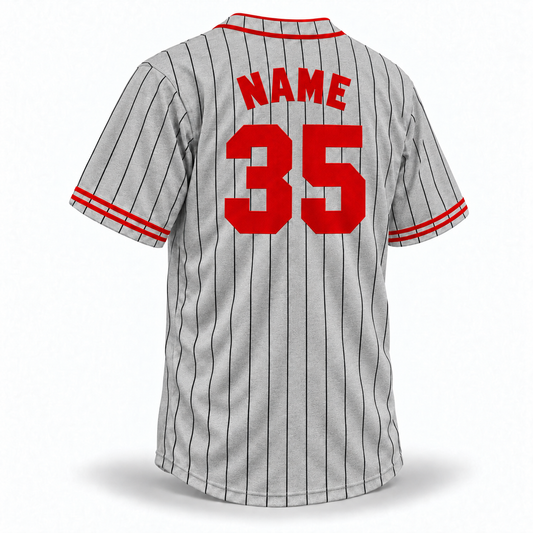
Pittsburgh Crawfords Replica Jersey
Regular price $101.00 CADRegular priceUnit price per -
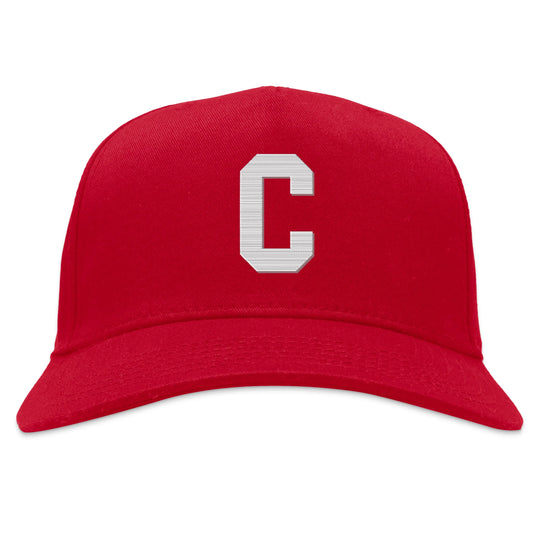
Pittsburgh Crawfords Snapback Hat
Regular price $51.00 CADRegular priceUnit price per -
-
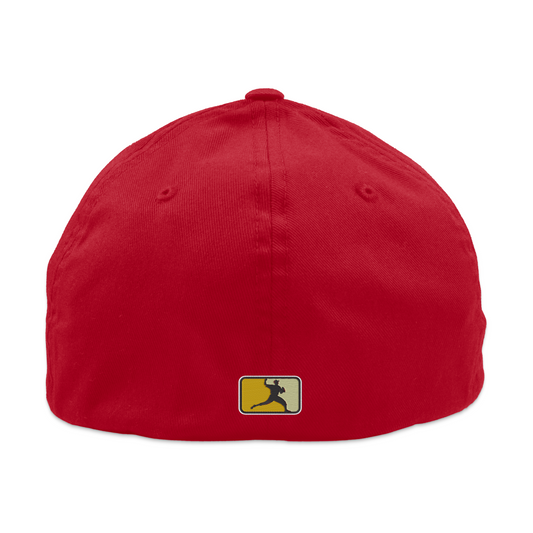
Pittsburgh Crawfords Flex Hat
Regular price $62.00 CADRegular priceUnit price per -
-
Pittsburgh Crawfords Unstructured Hat
Regular price $43.00 CADRegular priceUnit price per -
-
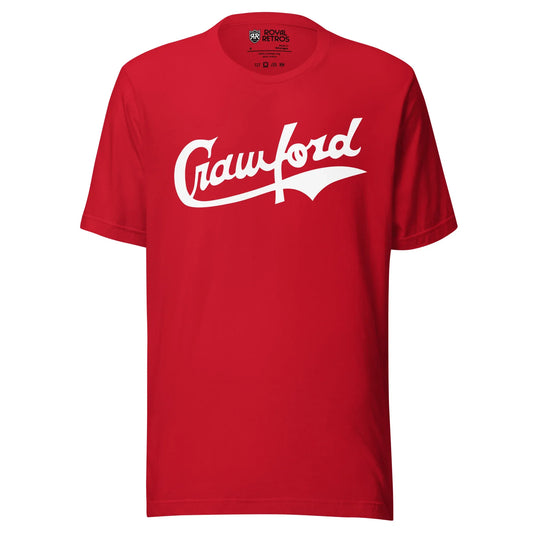
Pittsburgh Crawfords T-Shirt
Regular price $43.00 CADRegular priceUnit price per -
-
CUSTOM
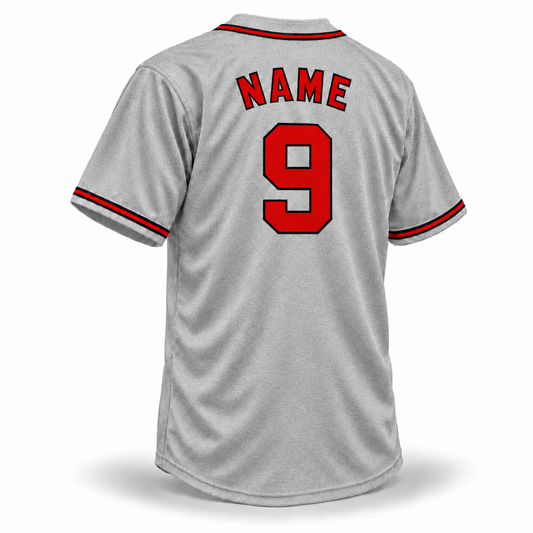
1944 Pittsburgh Crawfords NLB Jersey
Regular price Starting at $122.00 CADRegular priceUnit price per -
-
CUSTOM
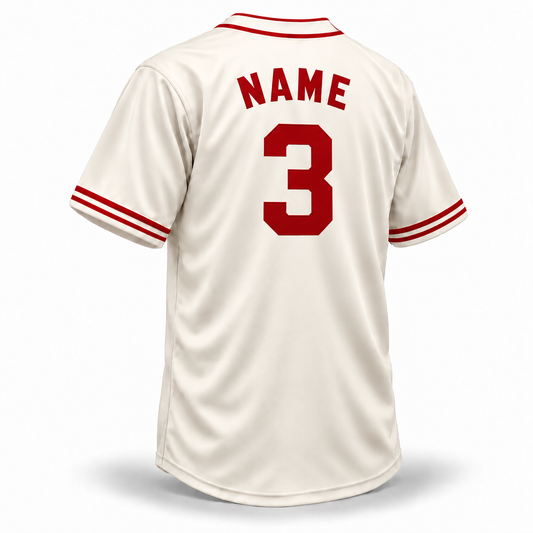
1938 Pittsburgh Crawfords NLB Jersey
Regular price Starting at $122.00 CADRegular priceUnit price per -
-
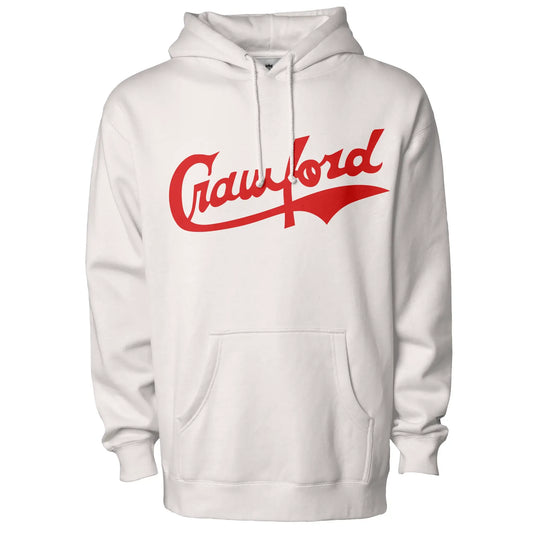
Pittsburgh Crawfords Hoodie
Regular price $86.00 CADRegular priceUnit price per -
-
CUSTOM
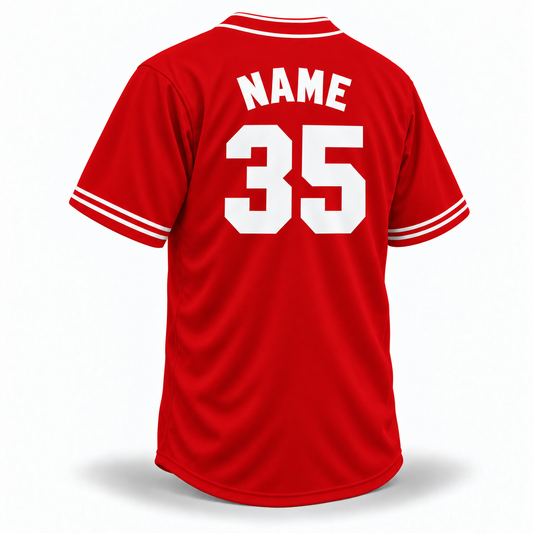
Pittsburgh Crawfords NLB Remix Jersey
Regular price Starting at $122.00 CADRegular priceUnit price per -
-
CUSTOM
1935 Pittsburgh Crawfords NLB Jersey
Regular price Starting at $122.00 CADRegular priceUnit price per -


















Recently Viewed
The Pittsburgh Crawfords Collection — Royal Retros Crawfords Fan Shop
Authentic Pittsburgh Crawfords Throwbacks. Custom Names & Numbers. Sizes S–5XL. The 1935 Roster of Five Hall of Famers.
Royal Retros carries the deepest Pittsburgh Crawfords throwback collection on the open web — authentic 1930s Negro National League jerseys, hats, T-shirts, hoodies, and Pittsburgh baseball history apparel honoring the franchise that fielded the greatest roster in baseball history. Josh Gibson, Cool Papa Bell, Oscar Charleston, Judy Johnson, Satchel Paige — five future Hall of Famers on a single 1935 roster, more than the 1927 Yankees. Custom name and number on most jerseys. Sizes Small through 5XL. Most Crawfords jerseys $64.99–$74.99, hats $24.99–$34.99, tees $29.99 — affordable across the entire collection.
What You Can Shop in the Crawfords Collection
Pittsburgh Crawfords Jerseys — Throwback flannel-style baseball jerseys featuring the iconic Crawfords script, the famous "P" cap, and home/road styles. Choose twill-numbered replicas, lightweight builds, or full custom orders. Custom name and number available on most styles. Most jerseys $64.99–$74.99; premium flannels $149.99.
Pittsburgh Crawfords Hats — Snapbacks, fitted caps, classic wool caps, dad hats, and trucker styles featuring the vintage "P" Crawfords logo and the franchise's distinctive red-and-black color palette. Mostly $24.99–$34.99.
Pittsburgh Crawfords T-Shirts — Soft-blend tees with vintage logos, Greenlee Field nostalgia graphics, Josh Gibson tributes, and old-time Pittsburgh baseball designs. Sizes S–5XL. $29.99.
Pittsburgh Crawfords Hoodies & Sweatshirts — Heavyweight pullovers and crewnecks for vintage baseball collectors and Negro Leagues history fans. Year-round comfort.
Customization — Free custom name and number on most jerseys. Pick a Crawfords legend — Josh Gibson, Satchel Paige, Cool Papa Bell, Oscar Charleston, Judy Johnson — or your own name. Custom orders are final sale and made to order, so allow 7–10 business days for production.
Sizes — Small through 5XL on virtually every product. No big & tall upcharge.
Shop the Crawfords by Era
The Pre-Greenlee Era (1928–1932) — The Crawfords began as a Pittsburgh-area sandlot team, organized in 1928 by a group of Black teenagers from the Hill District. By 1931 they had grown into a serious independent professional outfit, attracting the attention of numbers-game operator Gus Greenlee, who purchased the franchise that year and began assembling the roster that would define Negro Leagues baseball.
The Greenlee Era and the Second NNL Founding (1933–1935) — Gus Greenlee revived organized Negro National League play in 1933 with the Crawfords as the centerpiece franchise. He built Greenlee Field — the first Black-owned ballpark built specifically for a Negro League team — and signed the players who would form the league's most decorated roster. The Crawfords won the NNL pennant in 1933 and again in 1935, with the latter season ranking among the greatest single-team campaigns in baseball history.
The 1935 Dynasty Year — Five future Hall of Famers on one 18-man roster: Josh Gibson, Cool Papa Bell, Oscar Charleston, Judy Johnson, and Satchel Paige. Plus a half-dozen other elite Negro Leagues regulars. The 1935 Crawfords are routinely cited alongside the 1927 New York Yankees and 1976 Cincinnati Reds in conversations about the greatest baseball teams ever assembled — and on a per-player Hall of Fame density basis, they exceed both.
The 1936–1938 Dispersal — Greenlee, facing financial pressure from a federal numbers-racket prosecution and a downturn in his backing operations, began breaking up the roster after the 1936 season. Josh Gibson and Cool Papa Bell were sold to the Homestead Grays. Satchel Paige left for Dominican Republic dollars. Oscar Charleston went to Toledo. By 1938, the Crawfords as a competitive Pittsburgh franchise were finished. The team relocated to Toledo for 1939, then Indianapolis through 1940, then folded.
The Post-Pittsburgh Years and Legacy (1940–Present) — Though the franchise died as a Pittsburgh entity in the late 1930s, the Crawfords' cultural footprint never faded. Gus Greenlee died in 1952, but his East-West All-Star Game model — which he launched in 1933 — continued through 1962 as the largest annual Black sporting event in the United States. Pittsburgh now honors the Crawfords with the Crawford Square neighborhood, the Pittsburgh Pirates' annual Negro Leagues tribute games, and ongoing cultural recognition through the Negro Leagues Baseball Museum.
Why Royal Retros Is the Home of Pittsburgh Crawfords Throwback Gear
- The deepest Crawfords-specific collection on the open web. 10+ products covering jerseys, hats, tees, hoodies, and gear. Most Crawfords retailers carry one or two pieces — we carry the full range.
- Authentic 1930s design. Period-correct color palette (the famous Crawfords red), the script "Crawfords" wordmark, the "P" cap design, sleeve striping, crest construction. The 1935 Crawfords specifically are the design template.
- Affordable pricing. Most Crawfords jerseys $64.99–$74.99. Most hats $24.99–$34.99. All tees $29.99. Premium flannels $149.99 — significantly under what other NLB-specialty retailers charge for comparable items.
- Free customization on most jerseys. Pick a 1935 Crawfords Hall of Famer's number or your own.
- Sizes Small through 5XL. No big & tall upcharge.
- Pittsburgh baseball heritage cross-shopping. Pair a Crawfords piece with the Homestead Grays — Pittsburgh's other Negro National League dynasty — and the broader Royal Retros NLB collection.
Quick Buying Questions
What sizes do Crawfords jerseys come in?
Small through 5XL on virtually every jersey style. Hats are typically one-size-fits-most (snapback / flex) or fitted in standard cap sizes. We don't upcharge for big & tall sizes.
Can I add my name and number to a Crawfords jersey?
Yes — most styles offer free customization. Pick a Crawfords Hall of Famer's number — Josh Gibson #20, Satchel Paige #5, Cool Papa Bell #11, Oscar Charleston #4, Judy Johnson #3 — or your own name and number. Look for the "Custom" option on the product listing. Custom items are final sale and made to order, so allow 7–10 business days for production before shipping.
What materials are Crawfords jerseys made from?
Authentic flannel on select limited pieces, heavyweight twill on most replica jerseys, premium pre-shrunk cotton on T-shirts, and heavyweight cotton blends on hoodies. Period-correct construction wherever historical reference imagery exists.
How accurate is the design?
Color palette (the distinctive Crawfords red), lettering style, sleeve striping, and crest detail are reproduced to match historical 1933–1938 game-worn uniforms wherever reference imagery exists.
How fast does it ship and what's the return policy?
Standard products ship within 3–5 business days. Custom items (those with personalized name/number) are made to order and ship within 7–10 business days. Custom items are final sale. Standard items follow our return policy at /pages/returns.
Do you carry the famous 1935 dynasty look?
Yes. Where appropriate, our Crawfords lineup honors the legendary 1935 squad that fielded five future Hall of Famers — the season widely considered one of the greatest in any baseball league in any era.
Gift Ideas for the Crawfords Fan in Your Life
The Crawfords fan is a specific kind of baseball fan — historically literate, deeply invested in the full sweep of baseball history, often Pittsburgh-rooted. Generic MLB gifts miss the mark. A Crawfords throwback connects to one of the great untold stories in American sports.
- For the Pittsburgh sports fan: A Crawfords jersey is a deep-cut Pittsburgh sports purchase that signals real local knowledge. Pittsburgh has two of the greatest Negro Leagues franchises ever assembled — the Crawfords and the Homestead Grays — and either gift carries weight in a city where baseball heritage runs deep.
- For the Josh Gibson fan: Following the December 2020 MLB Negro Leagues reclassification and the June 2024 statistical integration, Gibson is now the official MLB all-time leader in career batting average (.372), single-season batting average (.466 in 1943), career slugging percentage (.718), and career OPS (1.177). A Crawfords #20 jersey honors the greatest pure hitter in the official MLB record book.
- For the Satchel Paige fan: Paige's Crawfords years (1933–1936) bridged his pre-fame independent barnstorming and his post-Crawfords stardom. Crawfords #5 was the jersey he wore in the franchise's championship years.
- For the Cool Papa Bell fan: Bell's speed was so legendary that Satchel Paige said he could "turn out the light and be in bed before the room got dark." Center fielder, leadoff hitter, and one of the most beloved characters in baseball history. Crawfords #11.
- For the historian: A Crawfords jersey is the jersey of the team most often cited as the greatest baseball roster ever assembled. There is no equivalent piece of baseball apparel in any other team's history. Conversation-starter merch with real depth.
- For Father's Day, Black History Month, or Juneteenth: The Crawfords carry a meaning that generic team gear doesn't. The 1935 roster's significance — five Hall of Famers, the greatest team ever, in the era when Major League Baseball excluded Black players — makes the gift a tribute as much as a piece of clothing.
- Year-round demand. Crawfords nostalgia is not seasonal. Birthdays, anniversaries, holidays, and milestone moments all see steady Crawfords orders.
About the Pittsburgh Crawfords
The Pittsburgh Crawfords are arguably the most stacked team in baseball history. Owned by Pittsburgh numbers-game operator Gus Greenlee and based at Greenlee Field — the first Black-owned ballpark in pro sports, opened in 1932 — the Crawfords competed with the cross-town Homestead Grays for Pittsburgh-area Negro Leagues supremacy in the 1930s and won the Negro National League title in 1933, 1935, and 1936.
The 1935 Crawfords roster is the stuff of myth. Catcher Josh Gibson — frequently called the greatest hitter who ever lived — wore Crawfords red. Pitcher Satchel Paige, the most charismatic baseball player of any era, anchored the rotation. Outfielder James "Cool Papa" Bell ran the bases with such speed that teammates joked he could turn out the light and be in bed before the room got dark. Center fielder and player-manager Oscar Charleston, a player Bill James later ranked among the greatest of all time, captained the team. Third baseman Judy Johnson rounded out a starting eight that included five future Hall of Famers, plus a who's-who of Negro Leagues regulars including Sam Bankhead, Vic Harris, Jimmie Crutchfield, and Ted Page.
The Crawfords' golden run was short — by 1938 Greenlee's empire was collapsing, the team had lost its stars (Paige to barnstorming and Dominican Republic offers, Gibson and Bell to the Homestead Grays in a 1937 sale, Charleston to Toledo), and the franchise relocated to Toledo and then Indianapolis before folding by 1940. But the 1935 Crawfords remain a benchmark of baseball excellence, frequently cited alongside the 1927 Yankees and 1976 Reds as one of the greatest teams ever assembled.
The 1935 Crawfords Roster — A Complete Account of the Greatest Team in Baseball History
There has never been a roster like the 1935 Pittsburgh Crawfords. Not in Negro Leagues baseball. Not in Major League Baseball. Not in any organized professional baseball league in any era.
Five future Hall of Famers on a single 18-man roster. By comparison: the 1927 New York Yankees — generally considered the greatest team in Major League Baseball history — had four future Hall of Famers (Babe Ruth, Lou Gehrig, Tony Lazzeri, Earle Combs). The 1935 Crawfords had one more, on a roster two-thirds the size, in a season Greenlee Field hosted as the first Black-owned ballpark built specifically for a Negro League franchise.
Josh Gibson, catcher. The most powerful right-handed hitter in the documented history of professional baseball. After MLB's December 2020 reclassification of the Negro Leagues as major leagues, Gibson became the official MLB all-time leader in career batting average (.372), single-season batting average (.466 in 1943), career slugging percentage (.718), and career OPS (1.177). The 1935 season was Gibson's third year with the Crawfords; he was 23 years old. His career home run totals — by some Negro Leagues accounts approaching 800 — are still the subject of historical research, but the consensus among Negro Leagues historians is that Gibson was the most powerful hitter the game has ever seen, regardless of league.
Cool Papa Bell, center fielder. The fastest player in baseball history, full stop. Satchel Paige's "turn out the light and be in bed before the room got dark" line was hyperbole, but the underlying claim was real — Bell was so fast that opposing infielders set up differently when he was at the plate, and his stolen-base totals across the Negro Leagues, Cuban Winter League, and Mexican League suggest he was the most disruptive baserunner of his era. Bell was 32 in 1935 and at the absolute peak of his career.
Oscar Charleston, player-manager and outfielder. Bill James, in his New Historical Baseball Abstract, ranked Charleston the fourth-greatest player in baseball history at any position — behind only Babe Ruth, Honus Wagner, and Willie Mays. Contemporary observers said Charleston combined Babe Ruth's power with Tris Speaker's defensive range and Ty Cobb's intensity. By 1935 Charleston was the Crawfords' player-manager at age 38, still hitting .300+ and running the field.
Judy Johnson, third baseman. The defensive cornerstone of the Crawfords infield and one of the smartest baseball minds of his era. Johnson was 35 in 1935 and at the end of his playing career, but his presence at third base anchored a defense that ranked among the league's best.
Satchel Paige, starting pitcher. The most famous Black baseball player of the 20th century. Paige's career spanned Negro Leagues, Caribbean leagues, MLB (Cleveland 1948, where he became the oldest rookie in MLB history at age 42), and barnstorming exhibitions. The 1935 Crawfords were one of the franchises where Paige was at his peak — fastball as good as anyone in baseball, a hesitation pitch he popularized, and a showman's flair that made him the highest-paid player in Black baseball.
Sam Bankhead, infielder/outfielder. A four-position fielder who provided versatility across the Crawfords lineup. Member of the great Bankhead baseball family (his brother Dan Bankhead later became the first Black pitcher in MLB with the Brooklyn Dodgers in 1947).
Vic Harris, outfielder. A player-manager later in his career who would go on to manage the Homestead Grays through their 1937–45 nine-pennant streak. In 1935, Harris was a Crawfords starter.
Jimmie Crutchfield, outfielder. Speed-and-defense outfielder who paired with Cool Papa Bell to give the Crawfords one of the fastest outfields in the league. Crutchfield was 24 in 1935.
Ted Page, outfielder/utility. Negro Leagues veteran who provided depth across the outfield positions. Page later became one of the leading oral historians of the Crawfords era through interviews with John Holway and other Negro Leagues researchers.
The 1935 Crawfords lasted one season at full strength. But that one season was, on a per-player Hall of Fame density basis, the greatest baseball roster in the documented history of the sport. A Royal Retros Pittsburgh Crawfords jersey is the jersey of that roster.
Gus Greenlee — The Numbers Boss Who Built Black Baseball's Greatest Team
No single figure shaped the Pittsburgh Crawfords more than Gus Greenlee. Born in 1893 in Marion, North Carolina, Greenlee migrated north as part of the Great Migration, settled in Pittsburgh's Hill District, and built his fortune through the Hill District numbers game — an illegal but socially tolerated lottery operation that was a major economic engine in Black urban communities in the 1920s and 1930s.
Greenlee used his numbers profits to fund Black Pittsburgh's cultural infrastructure. He owned the Crawford Grill — one of the most famous jazz clubs of the era, where Lena Horne, Duke Ellington, Sarah Vaughan, and Billy Eckstine all performed. He bankrolled Black political campaigns. And in 1931 he purchased the Pittsburgh Crawfords baseball team, which was then a sandlot operation, with the explicit goal of building Black baseball's premier franchise.
Greenlee accomplished what no Black baseball owner before him had: he built a major-league-caliber operation that ran like a business and had its own ballpark. Greenlee Field, opened on April 30, 1932, was the first ballpark in the United States built specifically for a Negro League franchise and owned by a Black business operator. It seated 7,500 and hosted Negro Leagues, college baseball, boxing matches, and political rallies.
Greenlee's most lasting contribution to Negro Leagues baseball was the East-West All-Star Game, which he launched in 1933 at Comiskey Park in Chicago. The game pitted the best players from the eastern and western Negro Leagues against each other and quickly grew into the largest annual Black sporting event in the United States — regularly drawing 30,000+ fans and continuing through 1962. The East-West All-Star Game outlasted Greenlee's tenure, outlasted the Crawfords, and outlasted the Negro National League itself.
Greenlee's empire began to collapse in the late 1930s under federal investigation of the numbers operation. He was forced to dispose of his most valuable assets — and the Crawfords roster was the most valuable. By 1938 most of the 1935 Hall of Famers had been sold or had departed for higher-paying opportunities elsewhere. Greenlee died in 1952. The Hall of Fame elected him to the Negro Leagues wing in 2006.
Greenlee Field — The First Black-Owned Ballpark Built for Pro Baseball
Greenlee Field opened on April 30, 1932, in Pittsburgh's Hill District at the corner of Bedford Avenue and Junilla Street. It cost $100,000 to build and seated 7,500 fans on wooden bleachers. The opening-day game, a Crawfords win over the New York Black Yankees, featured Satchel Paige on the mound and was attended by 4,000 fans including Pittsburgh's mayor and city council members.
The ballpark's significance went beyond baseball. As the first ballpark in the United States built specifically for a Negro League franchise and owned by a Black business operator, Greenlee Field was a symbol of Black economic self-determination at a time when Major League Baseball still actively enforced its color line. Black Pittsburghers could attend games at Greenlee Field without the segregated seating arrangements that prevailed at many other ballparks of the era.
Greenlee Field hosted Crawfords baseball through 1938. It was demolished in 1938 to make way for the Bedford Dwellings public housing project. The site of Greenlee Field is today commemorated with a historical marker installed by the Pittsburgh Cultural Trust in 2009.
The Crawfords vs. the Homestead Grays — Pittsburgh's Negro Leagues Rivalry
Pittsburgh in the 1930s and 1940s was the most important Negro Leagues city in America — the only major-league market with two world-class Black baseball franchises operating simultaneously. The cross-town rivalry between the Crawfords and the Homestead Grays defined Black baseball for the better part of two decades.
The franchises competed for talent, for fans, and for symbolic supremacy. Most famously, after the 1936 season, Greenlee sold Josh Gibson and Cool Papa Bell — the two faces of his Crawfords franchise — to the Grays. The transfer essentially ended the Crawfords as a competitive Pittsburgh franchise and began the Grays' nine-consecutive-pennant run from 1937 through 1945.
For Pittsburgh-area baseball fans, owning both a Crawfords and a Grays jersey is a complete representation of the city's Black baseball heritage. Royal Retros carries deep collections for both franchises — pair a 1935 Crawfords jersey with a 1942 Homestead Grays jersey to capture the full sweep of Pittsburgh Negro Leagues history.
The MLB Major League Reclassification and the Crawfords' Status
On December 16, 2020, Major League Baseball officially reclassified the seven Negro Leagues operating between 1920 and 1948 as major leagues. The 3,400+ documented Negro League players became major leaguers in the official MLB record book. The reclassification was retroactive — Negro League statistics merged into MLB's all-time records.
For the Pittsburgh Crawfords, the reclassification means: every player who wore a Crawfords uniform between 1933 and 1938 is now, by MLB's own official designation, a former major-league player. Josh Gibson's career batting average (.372) is now the all-time MLB record. Satchel Paige's 1935 ERA is now part of MLB's official statistical archive. The 1935 Pittsburgh Crawfords are now, formally, a former major-league franchise.
This is not historical revisionism. It is correction. The Crawfords were major-league baseball. The data and competitive evidence supported this conclusion for decades. MLB's December 2020 announcement — and the June 2024 statistical integration that followed — formalized what historians had documented for years.
A Royal Retros Pittsburgh Crawfords jersey is, formally, a major-league franchise jersey. The historical record is finally caught up to that fact.
What Makes Ours Period-Correct
Construction and accuracy. Sewn-on tackle-twill numbers and lettering where the original build called for it, era-correct fonts and colors, and true-to-original construction — every Crawfords design is checked against period references before it goes live.
More Frequently Asked Questions About the Pittsburgh Crawfords
Who were the Pittsburgh Crawfords?
The Pittsburgh Crawfords were a Negro National League baseball franchise that played in Pittsburgh from 1928 (as a sandlot team) through 1938 (when they relocated to Toledo). They are best known for the 1935 season, when their roster included five future Hall of Famers — Josh Gibson, Cool Papa Bell, Oscar Charleston, Judy Johnson, and Satchel Paige — and won the Negro National League pennant.
How many Hall of Famers played for the 1935 Crawfords?
Five: Josh Gibson, Cool Papa Bell, Oscar Charleston, Judy Johnson, and Satchel Paige. By comparison, the 1927 New York Yankees — often called the greatest MLB team ever — had four. The 1935 Crawfords are widely considered the most talent-dense roster in baseball history.
Who owned the Pittsburgh Crawfords?
Gus Greenlee, a Pittsburgh numbers-game operator and Hill District businessman, owned the Crawfords from 1931 through the franchise's 1938 dispersal. Greenlee also built Greenlee Field (opened 1932) — the first Black-owned ballpark in pro sports.
Where did the Pittsburgh Crawfords play their home games?
Greenlee Field, in Pittsburgh's Hill District at Bedford Avenue and Junilla Street. The ballpark seated 7,500, opened on April 30, 1932, and was demolished in 1938 to make way for the Bedford Dwellings public housing project.
Why did the 1935 Crawfords break up?
Owner Gus Greenlee, facing financial pressure from a federal investigation of his numbers operation, began selling off the roster after the 1936 season. Josh Gibson and Cool Papa Bell were sold to the cross-town Homestead Grays in 1937. Satchel Paige left for Dominican Republic offers. Oscar Charleston went to Toledo. The franchise relocated to Toledo for 1939 and Indianapolis for 1940 before folding.
Are the Pittsburgh Crawfords now considered a major-league franchise?
Yes. After Major League Baseball's December 16, 2020 reclassification of the seven Negro Leagues operating between 1920 and 1948 as major leagues, every player who wore a Crawfords uniform during that period is now an MLB-recognized major leaguer. The Crawfords' team statistics are part of MLB's official historical record. Josh Gibson is the all-time MLB leader in career batting average (.372).
How many Crawfords jerseys does Royal Retros carry?
10+ products across the Pittsburgh Crawfords collection, covering jerseys, hats, T-shirts, hoodies, and gear. The collection grows as we add new designs each season.
What other Pittsburgh-area baseball teams does Royal Retros carry?
The cross-town Homestead Grays — the franchise that won nine consecutive Negro National League pennants from 1937 through 1945, anchored by Josh Gibson and Cool Papa Bell after Greenlee sold them from the Crawfords. Pittsburgh in the 1930s–1940s was the most important Negro Leagues city in America, and Royal Retros carries deep collections for both Pittsburgh franchises.
Where can I find related Royal Retros baseball collections?
Beyond the Crawfords, Royal Retros covers the full Negro Leagues Baseball collection, the Homestead Grays, the Birmingham Black Barons, the Kansas City Monarchs, the Newark Eagles, the Indianapolis Clowns, the Chicago American Giants, and dozens more historic NLB franchises across our broader baseball collection. See also defunct legacy baseball and regional/city baseball.
Shop Related Pittsburgh and Negro Leagues Collections
- Homestead Grays — Pittsburgh's other Negro National League dynasty. Nine consecutive pennants (1937–1945). Josh Gibson and Cool Papa Bell wore Grays gray after their 1937 sale from the Crawfords.
- Royal Retros NLB Collection — The full 162-product Negro Leagues collection covering 45+ teams. The largest NLB shop on the open web.
- Birmingham Black Barons — Negro American League power. Willie Mays's first pro team (1948).
- NLB Monarchs (Kansas City) — The most decorated franchise in NLB history. Jackie Robinson's pre-Brooklyn team.
- Newark Eagles — Effa Manley's franchise. 1946 Negro World Series champions.
- Indianapolis Clowns — Hank Aaron's first pro team (1952). Toni Stone, Mamie Johnson, Connie Morgan. Longest-surviving NLB franchise.
- Chicago American Giants — Rube Foster's franchise. The team that built the original NNL in 1920.
- Pittsburgh Sports Streetwear — Multi-sport Pittsburgh apparel including the Crawfords, Grays, Steelers throwbacks, Pirates classics, and more.
The Pittsburgh Crawfords at Royal Retros — Authentic 1933–1938 Throwbacks. Custom Names & Numbers. Sizes S–5XL. The Greatest Roster in Baseball History.