



-
CUSTOM
Houston Colt 45's Remix Jersey
Regular price Starting at $119.00 CADRegular priceUnit price per -
-
CUSTOM
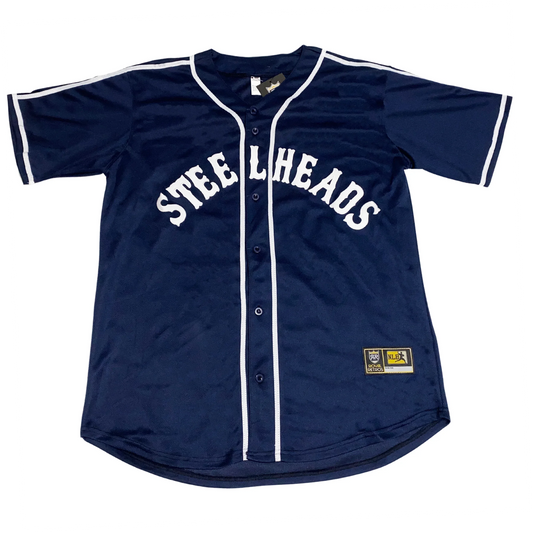
Seattle Steelheads NLB Remix Jersey
Regular price Starting at $119.00 CADRegular priceUnit price per -
-
CUSTOM
DC Defenders Beer Snake UFL Jersey
Regular price Starting at $168.00 CADRegular priceUnit price per -
-
CUSTOM
Chicago Cougars Remix Jersey
Regular price Starting at From $126.00 CADRegular priceUnit price per -
-
CUSTOM
San Francisco Sea Lions NLB Remix Jersey
Regular price Starting at $119.00 CADRegular priceUnit price per -
-
CUSTOM
Baltimore Black Sox NLB Remix Jersey
Regular price Starting at $119.00 CADRegular priceUnit price per -
-
CUSTOM
Spirits of St Louis Vintage Cream Jersey
Regular price Starting at $119.00 CADRegular priceUnit price per -
-
CUSTOM
2001 Las Vegas Outlaws Remix Jersey
Regular price Starting at $154.00 CADRegular priceUnit price per -
-
CUSTOM
2001 New York/ New Jersey Hitmen Remix Jersey
Regular price Starting at $154.00 CADRegular priceUnit price per -
-
CUSTOM
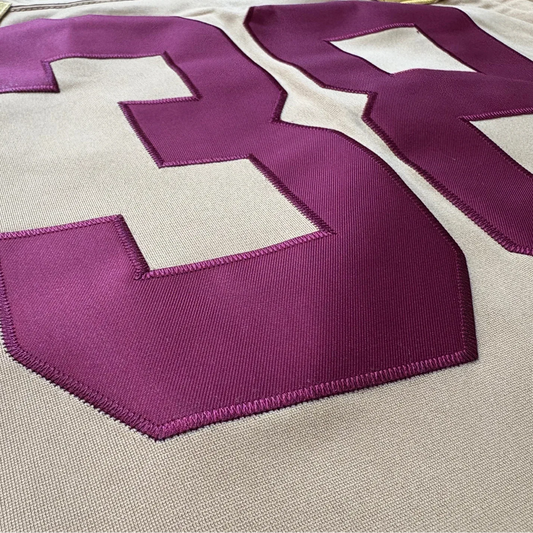
Spirits of St Louis Remix Jersey
Regular price Starting at $119.00 CADRegular priceUnit price per -
-
CUSTOM
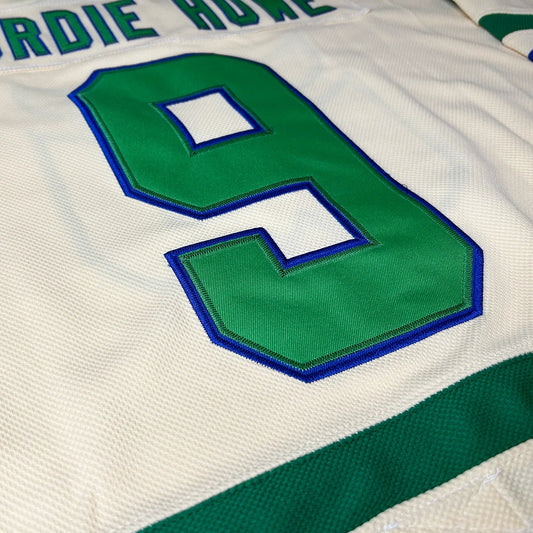
Whalers Vintage Cream Jersey
Regular price Starting at From $126.00 CADRegular priceUnit price per -
-
CUSTOM
Kansas City Scouts Remix Jersey
Regular price Starting at From $126.00 CADRegular priceUnit price per -
-
CUSTOM
Cleveland Barons Remix Jersey
Regular price Starting at From $126.00 CADRegular priceUnit price per -
-
CUSTOM
Tampa Bay Bandits USFL Remix Jersey
Regular price Starting at $154.00 CADRegular priceUnit price per -
-
CUSTOM
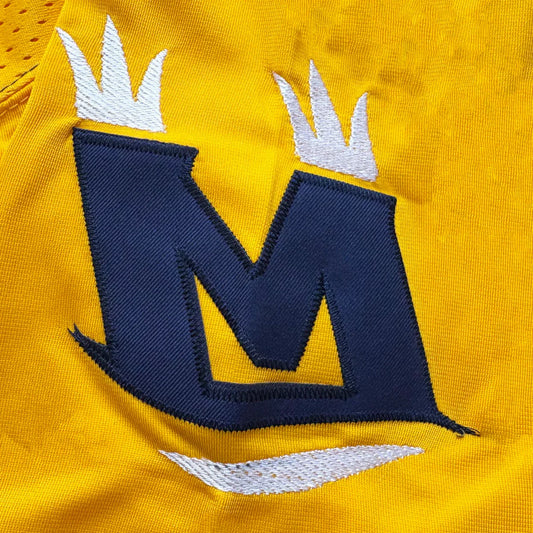
Michigan Panthers Hunting Season UFL Jersey
Regular price Starting at $168.00 CADRegular priceUnit price per -
-
CUSTOM
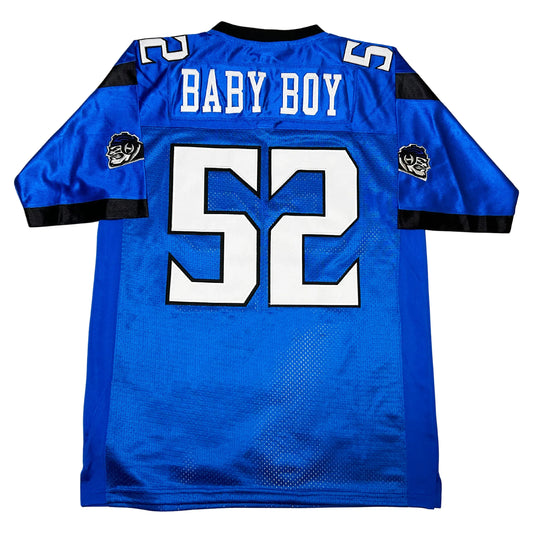
Memphis Showboats Yacht Club UFL Jersey
Regular price Starting at $168.00 CADRegular priceUnit price per -
-
CUSTOM
Arlington Renegades Full Throttle UFL Jersey
Regular price Starting at $168.00 CADRegular priceUnit price per -
-
CUSTOM
Birmingham Stallions UFL Champions Jersey
Regular price Starting at $154.00 CADRegular priceUnit price per -















The Remix Collection: Original Royal Retros Redesigns Across Every Sport
Reimagined Colorways for Baseball, Hockey, Football and Basketball History. Free Custom Name & Number. Sizes S–5XL.
The Remix Collection is Royal Retros' own design line — original artwork built around real teams, reworked with new colorways, new graphics and, in a few cases, an alternate identity the team never actually wore on the field. It is not a reproduction of an old uniform photo; it is Royal Retros' own interpretation of it. The collection currently runs 44 active jerseys and one pair of shorts across four sports and roughly seven decades: Negro Leagues and defunct Major League Baseball, World Hockey Association and NHL hockey, the American Basketball Association, and football stretching from the 1980s USFL through the single-season 2001 XFL to today's UFL. Most jerseys run $84.99–$119.99 depending on sport and construction, with free custom name and number on most styles and sizes Small through 5XL. Whether you follow a Negro Leagues club, a WHA team that folded before the 1980s, or the current UFL, there is a reimagined design here you will not find on a standard team-store shelf. Browse by product below, or jump to the sport, era or league sections further down the page to go straight to baseball, hockey, football or basketball. If you want the team you love but not the exact same jersey everyone else already owns, this is the collection.
What You Can Shop in the Remix Collection
Remix Jerseys — The core of the collection: original Royal Retros colorways and graphics for teams that no longer exist or no longer look the way they used to. Negro Leagues clubs like the Homestead Grays, Pittsburgh Crawfords, Birmingham Black Barons, Baltimore Black Sox, New York Black Yankees, Seattle Steelheads and San Francisco Sea Lions sit alongside defunct WHA and NHL clubs, an ABA team and MLB names that disappeared decades ago. $84.99–$119.99.
Vintage Cream Jerseys — A cream-based alternate palette applied to select hockey and football teams, including the Hartford WHA club, the Cleveland Barons, the Montreal Maroons, Colorado's NHL club, the Spirits of St Louis and the Michigan Panthers. $84.99–$119.99. The full cream lineup, including additional styles not carried here, lives in the Cream Collection.
Current UFL Alternate Jerseys — City-identity alternates for today's United Football League, each built around a local nickname rather than the team's primary look: Michigan Panthers Hunting Season, Memphis Showboats Yacht Club, Arlington Renegades Full Throttle, DC Defenders Beer Snake, Birmingham Stallions Magic City, St Louis Battlehawks Kaw is Law, San Antonio Brahmas Horns Forward and Houston Roughnecks Protect The Rig, plus the Birmingham Stallions UFL Champions jersey. These are officially licensed UFL product. $109.99–$119.99.
1980s and 2001 Football Remix — The Tampa Bay Bandits from the original USFL, four 2001 XFL clubs — the Las Vegas Outlaws, San Francisco Demons, New York/New Jersey Hitmen and Orlando Rage — the Rhein Fire of NFL Europe, and the Baltimore Stallions from the CFL's brief American era. $84.99–$109.99. These are unlicensed heritage tribute designs.
Basketball Shorts — One piece currently: The Town Basketball Shorts, a Bay Area design tribute in twill, $49.99.
Customization — Free custom name and number is available on most Remix jerseys at checkout. A handful of current UFL and championship-edition styles ship as printed replicas without custom lettering — check each product page before you order.
Sizes — Baseball, basketball and most football Remix jerseys run S–5XL at a flat price. Hockey Remix and Vintage Cream jerseys also run S–5XL, with price varying by size ($89.99–$119.99). No big & tall upcharge on any style in this collection.
Shop the Remix Collection by Sport
Baseball Remix
The largest single group in the collection is Negro Leagues baseball — seven clubs reimagined in Royal Retros' original colorways, from the Homestead Grays' dual home in Pittsburgh and Washington, DC to the short-lived West Coast Negro Baseball League clubs in Seattle and San Francisco. Add in remixed takes on three Major League names that no longer exist under those identities — the Houston Colt .45s, the St Louis Browns and the original Washington Senators — and this is the deepest reimagined-baseball lineup on the site. None of the three MLB names still play under those identities today, which is exactly the kind of gap a remix design is built to fill.
Hockey Remix
Nine products cover defunct or relocated NHL and WHA franchises: the Hartford WHA club (Remix and Vintage Cream), the Kansas City Scouts, two Cleveland Barons styles, Colorado's NHL club (Remix and Vintage Cream), the Chicago Cougars, the Toronto Toros, Pittsburgh's 1920s NHL club, the Oakland Seals and the Montreal Maroons' Vintage Cream jersey. If a hockey team folded, merged or moved before 1980, there is a good chance it is here — and because none of these identities have an active team selling merchandise under the same name, a Royal Retros remix is often the only new product a fan of these clubs can buy at all.
Football Remix
Football spans the widest range in the collection: 1980s USFL, the single-season 2001 XFL, NFL Europe's Rhein Fire, the CFL's Baltimore Stallions, and nine current UFL alternate designs built around city nicknames rather than home uniforms. It is the only place on the site where 1983 and today's football live in the same browse — four decades and four different leagues, all reimagined the same way.
Basketball Remix
Two ABA pieces — the Spirits of St Louis Remix and Vintage Cream jerseys — plus the Bay Area's The Town Basketball Shorts round out the basketball side. It is the smallest sport group in the collection by product count, but it covers two very different eras of basketball history: a 1970s franchise that no longer exists, and a present-day Bay Area design tribute.
Why Shop Remix at Royal Retros
- Original designs, not photocopies. Every Remix jersey is Royal Retros' own colorway or graphic treatment — you will not find the identical look at a licensed team store or a fan-site reseller.
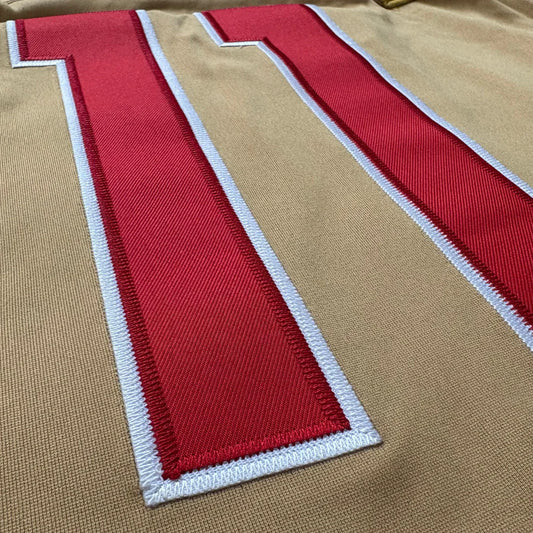
- Free custom name and number on most styles, with sewn-twill construction on baseball, hockey and USFL/XFL football jerseys.
- Sizes S–5XL with no big & tall upcharge on the vast majority of styles.
- One collection, four sports. Baseball, hockey, football and basketball history in a single browse, organized by design treatment rather than by league.
- Two design lines for teams that have both. Several teams — the Hartford WHA club, Cleveland Barons, Colorado's NHL club and the Spirits of St Louis — appear in both the core Remix palette and the Vintage Cream alternate, so a returning collector can add a second look instead of a duplicate.
- Real research behind every product page. Where a team's history is documented, we tell it — venue, era, what happened to the franchise.
Quick Buying FAQ
Are Remix jerseys the same as the historic team's actual uniform?
No. Remix jerseys are Royal Retros' own reimagined colorway or graphic treatment for a given team — inspired by the team's identity, not a copy of a specific game-worn uniform. If you want a faithful reproduction of what a team actually wore, check the Throwback Jerseys collection instead.
Why are there both a Remix and a Vintage Cream version of some teams?
They are two different original palettes for the same identity, not competing claims about what the team actually wore. The standard Remix version is Royal Retros' primary reimagined colorway; the Vintage Cream version swaps in the cream/ecru base described below. Collectors who already own one often add the other rather than choosing between them.
Can I get my name and number on a Remix jersey?
Yes, on most styles — add it free at checkout. A few current UFL and championship-edition jerseys ship as printed replicas without custom lettering; the product page will say so.
What sizes are available?
Small through 5XL on nearly every Remix jersey, with no big & tall upcharge. Hockey and Vintage Cream styles price by size ($89.99–$119.99); most other jerseys are a flat price regardless of size.
How long does a custom jersey take to ship?
Custom name-and-number orders are made to order and typically ship in 5–10 business days; non-custom printed styles usually ship faster. Exact timing is confirmed at checkout.
What is tackle twill, and why does it cost more than a printed jersey?
Tackle twill is raised, sewn-on fabric lettering and numbering, applied and stitched down the way traditional athletic jerseys have been built for decades, rather than printed flat onto the fabric. It holds up to washing and wear better than print and gives a jersey a more substantial, textured look, which is why baseball, hockey and 1980s/2001-era football Remix jerseys use it for custom name and number.
What is your return policy?
Non-custom items can be returned under our standard policy. Because custom name-and-number jerseys are made to order, they are final sale except for manufacturing defects — see our full returns policy for details.
Gift Ideas from the Remix Collection
- Negro Leagues history fan — a Homestead Grays, Pittsburgh Crawfords or Birmingham Black Barons Remix jersey.
- Hockey collector — a Vintage Cream jersey for the fan who already owns the standard-colorway version.
- Current UFL fan — a city-nickname alternate like Beer Snake, Kaw is Law or Magic City, for someone who wants a look no one else at the tailgate has.
- Bay Area streetwear fan — The Town Basketball Shorts.
- 2001 XFL nostalgia — one of the four original-run XFL jerseys, for anyone who remembers the league's one wild season.
What Does "Remix" Mean in Vintage Sports Apparel?
A remix jersey takes a real team's identity — its name, city and general aesthetic — and applies a new colorway or graphic that the team never actually wore. It is a design exercise, not a reproduction. The idea mirrors what modern leagues do with alternate and city-identity uniforms: keep the team recognizable, change the execution. For teams that only existed a season or two, or that folded before their uniforms were widely photographed in color, a remix also sidesteps a practical problem — there often is not one single, universally agreed-upon "correct" look to reproduce in the first place. A remix is upfront about being a new design built on an old identity, not a reproduction of one specific look.
Why Do Collectors Want Alternate Colorways of Defunct Teams?
Two reasons come up again and again among Negro Leagues, WHA and USFL collectors. First, defunct-team merchandise is inherently scarce — there is no active licensor pushing new product every season, so a well-made alternate is often the newest thing available for a team that has not existed in decades. Second, fans of these teams typically already own the standard look; a remix gives them a second, complementary piece instead of a duplicate — the same instinct that drives demand for an alternate jersey in an active league, applied to teams that stopped playing before that concept existed.
Why Is Cream a Popular Vintage Jersey Color?
Cream and ecru are not a modern styling choice invented for nostalgia — they were the natural color of wool flannel before inexpensive, colorfast dyes became standard in sports uniforms through the mid-20th century. Undyed or lightly treated flannel had a soft off-white tone, which is why so many early-1900s baseball and football photos look cream rather than bright white. Royal Retros' Vintage Cream line borrows that base tone and applies it to teams from later eras, including several 1970s hockey clubs, as a deliberately vintage-coded alternate rather than a claim that any specific team wore cream in that era.
The Negro Leagues Teams Behind the Baseball Remix Line
Negro Leagues baseball operated as organized professional baseball's parallel structure from roughly 1920 through the late 1940s and into the 1950s in some regions, fielding teams that in many seasons were every bit as talented as their white Major League counterparts, and often played them directly in barnstorming exhibitions that Negro Leagues clubs regularly won. The seven clubs reimagined in this collection range from dynasties that defined the sport for a decade to one-season West Coast experiments that folded almost as fast as they started — a spread that reflects how uneven the record-keeping and survival of Black professional baseball actually was. In December 2020, Major League Baseball elevated seven Negro Leagues to major league status, folding their statistics and records into the official record — a recognition sought for decades and one that touches several of the clubs reimagined below.
Homestead Grays
The Homestead Grays were one of the most successful franchises in Negro Leagues history, built around Josh Gibson and Cool Papa Bell and dominant enough to win nine straight Negro National League pennants from 1937 to 1945. Rather than settling in one city, the Grays split their home schedule between Pittsburgh's Forbes Field and Washington, DC's Griffith Stadium for much of that run — a dual-market approach almost no other Negro Leagues club used at that scale, and one that let the Grays draw fans and gate revenue from two of the largest Black communities on the East Coast at once.
Pittsburgh Crawfords
Owned by numbers-runner-turned-sports-promoter Gus Greenlee, the Pittsburgh Crawfords of the 1930s assembled a roster later called one of the greatest baseball teams ever fielded — Josh Gibson, Satchel Paige, Cool Papa Bell and Oscar Charleston all played for Greenlee's club in the same era, before Depression-era economics broke the roster apart by the end of the decade. Greenlee also built Greenlee Field, one of the first ballparks in the country built and owned by a Black-owned business specifically for a Black baseball team.
Birmingham Black Barons
The Black Barons were a Negro American League fixture from the 1920s through the 1950s, playing out of Rickwood Field, and are best known today as the team a teenage Willie Mays played for before he signed with Major League Baseball's New York Giants in 1950. The Black Barons reached the Negro World Series as late as 1948, well after most of the Negro Leagues' original power clubs had begun losing their best players to MLB's slow integration.
Seattle Steelheads and San Francisco Sea Lions
Both clubs were part of the West Coast Negro Baseball League, organized in 1946 by Abe Saperstein — better known for the Harlem Globetrotters — to bring top-level Black baseball to cities the Negro Leagues had never reached. The league lasted only part of one season before travel costs sank it, making the Steelheads and Sea Lions two of the shortest-lived franchises in this collection, and two of the only Negro Leagues teams to ever play in the Pacific Northwest and the Bay Area. The Steelheads, nicknamed for a local Pacific salmon, played their home games at Seattle's Sick's Stadium; the Sea Lions, who wore hand-me-down uniforms from a defunct local club, counted Toni Stone — one of the few women to play professional Negro Leagues baseball — among their alumni.
Baltimore Black Sox and New York Black Yankees
The Black Sox were a dominant Eastern Colored League club in the late 1920s, winning the 1929 Negro National League title. The Black Yankees, formed in the 1930s, played home games at Yankee Stadium under a lease arrangement — trading on the ballpark's name recognition while fielding a completely separate franchise, ownership and roster from the Major League club that shared the address.
Other Baseball Names in the Collection
Beyond the Negro Leagues, the Remix line also reworks three Major League names that no longer exist under those identities: the Houston Colt .45s, renamed the Astros in 1965 after a trademark dispute with a firearms manufacturer and a move into the newly built Astrodome; the St Louis Browns, who moved to Baltimore and became the Orioles in 1954 after five decades of mostly losing baseball; and the original Washington Senators, whose 1961 relocation gave Washington sports fans the old joke about the team being "first in war, first in peace, and last in the American League."
The WHA and Defunct NHL Teams Behind the Hockey Remix Line
How many WHA teams never made it into the NHL?
Most of them. When the World Hockey Association folded in 1979, only four franchises — Hartford, Winnipeg, Quebec and Edmonton — were absorbed into the NHL. Every other WHA club, including several reimagined in this collection, folded, merged or relocated before the league's final season, which is a large part of why the WHA remains such fertile ground for reimagined designs: most of these teams have no active successor selling new merchandise.
Hartford Whalers
Founded as the New England Whalers, the club won the first WHA Avco Cup in 1973, relocated to Hartford in 1975 and took the Hartford Whalers name, then joined the NHL in the 1979 WHA–NHL merger. The franchise played in Hartford until 1997, when it relocated and was renamed — the reason this collection uses the "Hartford WHA" heading form rather than the team's full historic name, since that later identity remains an active NHL trademark today.
Chicago Cougars
A charter WHA franchise from 1972 to 1975, the Cougars were the first major professional hockey team to put player numbers on the front of the jersey. Owned initially by brothers running a local health spa business, the team was sold to three of its own players — including player-coach Pat Stapleton — after the original owners could not finance a new arena. The Cougars reached the playoffs only once, in 1974, before folding after the 1974–75 season; most of the roster ended up with the expansion Denver Spurs in the dispersal draft that followed.
Toronto Toros
The Toros began as the Ottawa Nationals in the WHA's 1972–73 inaugural season, playing out of the Ottawa Civic Centre before the city demanded a large guarantee payment the ownership could not meet. The franchise relocated to Toronto for 1973–74, was sold to media executive John F. Bassett, and drew respectably by WHA standards — but onerous lease terms at its home arena eventually pushed Bassett to move the team again after 1975–76, this time to Birmingham, Alabama, where it became the Birmingham Bulls.
Kansas City Scouts and Colorado's NHL Club
The Kansas City Scouts joined the NHL as a 1974 expansion team alongside the Washington Capitals, each franchise reportedly paying a $6 million entry fee. The Scouts lost heavily on the ice and at the gate across two seasons and relocated to Denver in 1976, taking the Colorado Rockies name — no relation to today's Colorado baseball franchise. That club moved again in 1982 to become an East Coast franchise that has since won multiple Stanley Cup championships under its current identity.
Oakland Seals and Cleveland Barons
An NHL expansion team in 1967, the club went through the Oakland Seals and California Golden Seals names before relocating to Ohio as the Cleveland Barons in 1976. Two money-losing seasons later, the NHL allowed the Barons to merge into another struggling franchise, the Minnesota North Stars, in 1978 — the last time a major North American pro sports franchise has folded outright rather than simply relocating, which makes the Barons a genuine rarity in this collection.
Pittsburgh's 1920s NHL Club
Pittsburgh fielded an NHL franchise from 1925 to 1930, built out of the amateur Pittsburgh Yellow Jackets, back-to-back league champions in 1924 and 1925 before attorney James Callahan purchased the club and moved it into the NHL. The team opened its first season with a road win in its very first game and finished third in the league — an unusually strong debut — but attendance and results declined through the late 1920s, and the franchise moved to Philadelphia for a single 1930–31 season before folding entirely.
The ABA Team Behind the Basketball Remix Line
The Spirits of St Louis formed in 1974 when new ownership bought the ABA's Carolina Cougars and relocated the franchise to St Louis, then the largest television market in the country without a pro basketball team. The team played two seasons before the 1976 ABA–NBA merger, in which the Spirits were left out of the four teams admitted to the NBA — a deal that famously left the former owners with a permanent share of NBA television revenue instead of a franchise, an arrangement reported to still be paying out decades later. Plans to relocate the Spirits to Salt Lake City fell through when the merger negotiations ended the franchise instead.
The Football Teams Behind the Remix Line
Tampa Bay Bandits and Michigan Panthers (USFL)
Both clubs played in the original United States Football League, a spring league that ran from 1983 to 1985. The Michigan Panthers won the league's first championship in 1983; the Tampa Bay Bandits, one of the USFL's most recognizable ownership groups, built one of the league's most loyal fan bases before the USFL folded following a failed antitrust suit against the NFL.
The 2001 XFL
The XFL's original run lasted a single season in 2001, a joint venture built around a rougher, more theatrical style of football. The Las Vegas Outlaws, San Francisco Demons, New York/New Jersey Hitmen and Orlando Rage were four of the league's eight inaugural clubs; poor ratings after a strong opening week led the league's broadcast partner to pull out after just one season, and the original XFL folded before a second season ever kicked off.
Rhein Fire
Based in Düsseldorf, Germany, the Rhein Fire played in the World League of American Football and its successor, NFL Europe, from 1995 to 2007. The club moved between three home venues over its history — the original Rheinstadion, Arena AufSchalke in nearby Gelsenkirchen while a new stadium was built, and finally the LTU Arena — and reached five World Bowl championship games, winning twice, making it one of the most successful and best-supported teams in the league's history.
Baltimore Stallions
The Stallions were part of the CFL's brief 1990s expansion into the United States, and remain the only American-based team ever to win the Grey Cup — a 37–20 win over the Calgary Stampeders at Taylor Field in Regina, Saskatchewan, in November 1995, capping a 15–3 season and a 13-game winning streak. Days before that championship game, an established NFL franchise announced its own move to Baltimore, and the Stallions' ownership chose to relocate to Montreal rather than compete with an NFL team in the same market — meaning the franchise won its championship in what was already its final week in Baltimore.
Current UFL Alternate Designs
Today's United Football League formed in 2024 as a merger of a revived XFL and a revived USFL — separate, present-day organizations from the original 1980s USFL and the 2001 XFL, despite sharing names and some team identities. The nine current-league jerseys in this collection are built around each city's own identity rather than the team's primary home or road uniform, giving fans a second, more personal option, and they are officially licensed UFL product.
The Current UFL's Two Conferences
The present-day UFL plays as eight teams split into two conferences that trace back to the leagues that merged to form it: a USFL Conference (Birmingham Stallions, Houston Roughnecks, Memphis Showboats and Michigan Panthers) and an XFL Conference (Arlington Renegades, DC Defenders, San Antonio Brahmas and St Louis Battlehawks). Every one of those eight teams has an alternate design in this collection, which makes Remix the only place on the site to shop a full set of current-UFL city-identity jerseys in one browse.
What Makes Ours Period-Correct
Construction and accuracy. Sewn-on tackle-twill and embroidered numbers where the original called for it, era-correct fonts and colors, and true-to-original construction — every design is checked against period references before it goes live.
Remix Collection History FAQ
Are Remix jerseys officially licensed by any league?
It depends on the product. The current UFL alternate jerseys in this collection are officially licensed. The Negro Leagues, WHA, defunct NHL, ABA, 1980s USFL, 2001 XFL, NFL Europe and CFL designs are unlicensed heritage tribute apparel — Royal Retros' own artwork, not team- or league-issued product. Check the individual product page if licensing status matters to your purchase.
Is the current UFL the same league as the 2001 XFL or the 1980s USFL?
No. The present-day UFL was formed in 2024 by merging a revived XFL and a revived USFL — both separate, later organizations from the original leagues that folded in 2001 and 1985 respectively. They share names and, in some cases, city identities, but not corporate lineage. This collection carries products from both the original defunct leagues and the current UFL, and treats them as distinct on every relevant product page.
Why do some Remix jerseys ship with sewn twill and others with print?
Construction follows sport and era. Baseball, hockey and 1980s/2001-era football Remix jerseys use tackle-twill or sewn-letter construction, consistent with the rest of Royal Retros' throwback lines. Current UFL alternate jerseys use printed graphics, matching how those specific licensed designs are produced.
Why does this collection include both 1920s hockey and today's football?
Remix is organized by design treatment, not by era — every product here is an original Royal Retros colorway or alternate identity, whether the team folded a century ago or takes the field this season. If you want a single era or league instead, the sport-specific and league-specific collections below narrow the browse. Every product page in this collection notes its own era and league plainly, so you always know exactly what you are buying before you check out.
Gift Ideas from the Remix Collection
- Negro Leagues history fan — a Homestead Grays, Pittsburgh Crawfords or Birmingham Black Barons Remix jersey.
- Hockey collector — a Vintage Cream jersey for the fan who already owns the standard-colorway version.
- Current UFL fan — a city-nickname alternate like Beer Snake, Kaw is Law or Magic City, for someone who wants a look no one else at the tailgate has.
- Bay Area streetwear fan — The Town Basketball Shorts.
- 2001 XFL nostalgia — one of the four original-run XFL jerseys, for anyone who remembers the league's one wild season.
What Does "Remix" Mean in Vintage Sports Apparel?
A remix jersey takes a real team's identity — its name, city and general aesthetic — and applies a new colorway or graphic that the team never actually wore. It is a design exercise, not a reproduction. The idea mirrors what modern leagues do with alternate and city-identity uniforms: keep the team recognizable, change the execution. For teams that only existed a season or two, or that folded before their uniforms were widely photographed in color, a remix also sidesteps a practical problem — there often is not one single, universally agreed-upon "correct" look to reproduce in the first place. A remix is upfront about being a new design built on an old identity, not a reproduction of one specific look.
Why Do Collectors Want Alternate Colorways of Defunct Teams?
Two reasons come up again and again among Negro Leagues, WHA and USFL collectors. First, defunct-team merchandise is inherently scarce — there is no active licensor pushing new product every season, so a well-made alternate is often the newest thing available for a team that has not existed in decades. Second, fans of these teams typically already own the standard look; a remix gives them a second, complementary piece instead of a duplicate — the same instinct that drives demand for an alternate jersey in an active league, applied to teams that stopped playing before that concept existed.
Why Is Cream a Popular Vintage Jersey Color?
Cream and ecru are not a modern styling choice invented for nostalgia — they were the natural color of wool flannel before inexpensive, colorfast dyes became standard in sports uniforms through the mid-20th century. Undyed or lightly treated flannel had a soft off-white tone, which is why so many early-1900s baseball and football photos look cream rather than bright white. Royal Retros' Vintage Cream line borrows that base tone and applies it to teams from later eras, including several 1970s hockey clubs, as a deliberately vintage-coded alternate rather than a claim that any specific team wore cream in that era.
The Negro Leagues Teams Behind the Baseball Remix Line
Negro Leagues baseball operated as organized professional baseball's parallel structure from roughly 1920 through the late 1940s and into the 1950s in some regions, fielding teams that in many seasons were every bit as talented as their white Major League counterparts, and often played them directly in barnstorming exhibitions that Negro Leagues clubs regularly won. The seven clubs reimagined in this collection range from dynasties that defined the sport for a decade to one-season West Coast experiments that folded almost as fast as they started — a spread that reflects how uneven the record-keeping and survival of Black professional baseball actually was. In December 2020, Major League Baseball elevated seven Negro Leagues to major league status, folding their statistics and records into the official record — a recognition sought for decades and one that touches several of the clubs reimagined below.
Homestead Grays
The Homestead Grays were one of the most successful franchises in Negro Leagues history, built around Josh Gibson and Cool Papa Bell and dominant enough to win nine straight Negro National League pennants from 1937 to 1945. Rather than settling in one city, the Grays split their home schedule between Pittsburgh's Forbes Field and Washington, DC's Griffith Stadium for much of that run — a dual-market approach almost no other Negro Leagues club used at that scale, and one that let the Grays draw fans and gate revenue from two of the largest Black communities on the East Coast at once.
Pittsburgh Crawfords
Owned by numbers-runner-turned-sports-promoter Gus Greenlee, the Pittsburgh Crawfords of the 1930s assembled a roster later called one of the greatest baseball teams ever fielded — Josh Gibson, Satchel Paige, Cool Papa Bell and Oscar Charleston all played for Greenlee's club in the same era, before Depression-era economics broke the roster apart by the end of the decade. Greenlee also built Greenlee Field, one of the first ballparks in the country built and owned by a Black-owned business specifically for a Black baseball team.
Birmingham Black Barons
The Black Barons were a Negro American League fixture from the 1920s through the 1950s, playing out of Rickwood Field, and are best known today as the team a teenage Willie Mays played for before he signed with Major League Baseball's New York Giants in 1950. The Black Barons reached the Negro World Series as late as 1948, well after most of the Negro Leagues' original power clubs had begun losing their best players to MLB's slow integration.
Seattle Steelheads and San Francisco Sea Lions
Both clubs were part of the West Coast Negro Baseball League, organized in 1946 by Abe Saperstein — better known for the Harlem Globetrotters — to bring top-level Black baseball to cities the Negro Leagues had never reached. The league lasted only part of one season before travel costs sank it, making the Steelheads and Sea Lions two of the shortest-lived franchises in this collection, and two of the only Negro Leagues teams to ever play in the Pacific Northwest and the Bay Area. The Steelheads, nicknamed for a local Pacific salmon, played their home games at Seattle's Sick's Stadium; the Sea Lions, who wore hand-me-down uniforms from a defunct local club, counted Toni Stone — one of the few women to play professional Negro Leagues baseball — among their alumni.
Baltimore Black Sox and New York Black Yankees
The Black Sox were a dominant Eastern Colored League club in the late 1920s, winning the 1929 Negro National League title. The Black Yankees, formed in the 1930s, played home games at Yankee Stadium under a lease arrangement — trading on the ballpark's name recognition while fielding a completely separate franchise, ownership and roster from the Major League club that shared the address.
Other Baseball Names in the Collection
Beyond the Negro Leagues, the Remix line also reworks three Major League names that no longer exist under those identities: the Houston Colt .45s, renamed the Astros in 1965 after a trademark dispute with a firearms manufacturer and a move into the newly built Astrodome; the St Louis Browns, who moved to Baltimore and became the Orioles in 1954 after five decades of mostly losing baseball; and the original Washington Senators, whose 1961 relocation gave Washington sports fans the old joke about the team being "first in war, first in peace, and last in the American League."
The WHA and Defunct NHL Teams Behind the Hockey Remix Line
How many WHA teams never made it into the NHL?
Most of them. When the World Hockey Association folded in 1979, only four franchises — Hartford, Winnipeg, Quebec and Edmonton — were absorbed into the NHL. Every other WHA club, including several reimagined in this collection, folded, merged or relocated before the league's final season, which is a large part of why the WHA remains such fertile ground for reimagined designs: most of these teams have no active successor selling new merchandise.
Hartford Whalers
Founded as the New England Whalers, the club won the first WHA Avco Cup in 1973, relocated to Hartford in 1975 and took the Hartford Whalers name, then joined the NHL in the 1979 WHA–NHL merger. The franchise played in Hartford until 1997, when it relocated and was renamed — the reason this collection uses the "Hartford WHA" heading form rather than the team's full historic name, since that later identity remains an active NHL trademark today.
Chicago Cougars
A charter WHA franchise from 1972 to 1975, the Cougars were the first major professional hockey team to put player numbers on the front of the jersey. Owned initially by brothers running a local health spa business, the team was sold to three of its own players — including player-coach Pat Stapleton — after the original owners could not finance a new arena. The Cougars reached the playoffs only once, in 1974, before folding after the 1974–75 season; most of the roster ended up with the expansion Denver Spurs in the dispersal draft that followed.
Toronto Toros
The Toros began as the Ottawa Nationals in the WHA's 1972–73 inaugural season, playing out of the Ottawa Civic Centre before the city demanded a large guarantee payment the ownership could not meet. The franchise relocated to Toronto for 1973–74, was sold to media executive John F. Bassett, and drew respectably by WHA standards — but onerous lease terms at its home arena eventually pushed Bassett to move the team again after 1975–76, this time to Birmingham, Alabama, where it became the Birmingham Bulls.
Kansas City Scouts and Colorado's NHL Club
The Kansas City Scouts joined the NHL as a 1974 expansion team alongside the Washington Capitals, each franchise reportedly paying a $6 million entry fee. The Scouts lost heavily on the ice and at the gate across two seasons and relocated to Denver in 1976, taking the Colorado Rockies name — no relation to today's Colorado baseball franchise. That club moved again in 1982 to become an East Coast franchise that has since won multiple Stanley Cup championships under its current identity.
Oakland Seals and Cleveland Barons
An NHL expansion team in 1967, the club went through the Oakland Seals and California Golden Seals names before relocating to Ohio as the Cleveland Barons in 1976. Two money-losing seasons later, the NHL allowed the Barons to merge into another struggling franchise, the Minnesota North Stars, in 1978 — the last time a major North American pro sports franchise has folded outright rather than simply relocating, which makes the Barons a genuine rarity in this collection.
Pittsburgh's 1920s NHL Club
Pittsburgh fielded an NHL franchise from 1925 to 1930, built out of the amateur Pittsburgh Yellow Jackets, back-to-back league champions in 1924 and 1925 before attorney James Callahan purchased the club and moved it into the NHL. The team opened its first season with a road win in its very first game and finished third in the league — an unusually strong debut — but attendance and results declined through the late 1920s, and the franchise moved to Philadelphia for a single 1930–31 season before folding entirely.
The ABA Team Behind the Basketball Remix Line
The Spirits of St Louis formed in 1974 when new ownership bought the ABA's Carolina Cougars and relocated the franchise to St Louis, then the largest television market in the country without a pro basketball team. The team played two seasons before the 1976 ABA–NBA merger, in which the Spirits were left out of the four teams admitted to the NBA — a deal that famously left the former owners with a permanent share of NBA television revenue instead of a franchise, an arrangement reported to still be paying out decades later. Plans to relocate the Spirits to Salt Lake City fell through when the merger negotiations ended the franchise instead.
The Football Teams Behind the Remix Line
Tampa Bay Bandits and Michigan Panthers (USFL)
Both clubs played in the original United States Football League, a spring league that ran from 1983 to 1985. The Michigan Panthers won the league's first championship in 1983; the Tampa Bay Bandits, one of the USFL's most recognizable ownership groups, built one of the league's most loyal fan bases before the USFL folded following a failed antitrust suit against the NFL.
The 2001 XFL
The XFL's original run lasted a single season in 2001, a joint venture built around a rougher, more theatrical style of football. The Las Vegas Outlaws, San Francisco Demons, New York/New Jersey Hitmen and Orlando Rage were four of the league's eight inaugural clubs; poor ratings after a strong opening week led the league's broadcast partner to pull out after just one season, and the original XFL folded before a second season ever kicked off.
Rhein Fire
Based in Düsseldorf, Germany, the Rhein Fire played in the World League of American Football and its successor, NFL Europe, from 1995 to 2007. The club moved between three home venues over its history — the original Rheinstadion, Arena AufSchalke in nearby Gelsenkirchen while a new stadium was built, and finally the LTU Arena — and reached five World Bowl championship games, winning twice, making it one of the most successful and best-supported teams in the league's history.
Baltimore Stallions
The Stallions were part of the CFL's brief 1990s expansion into the United States, and remain the only American-based team ever to win the Grey Cup — a 37–20 win over the Calgary Stampeders at Taylor Field in Regina, Saskatchewan, in November 1995, capping a 15–3 season and a 13-game winning streak. Days before that championship game, an established NFL franchise announced its own move to Baltimore, and the Stallions' ownership chose to relocate to Montreal rather than compete with an NFL team in the same market — meaning the franchise won its championship in what was already its final week in Baltimore.
Current UFL Alternate Designs
Today's United Football League formed in 2024 as a merger of a revived XFL and a revived USFL — separate, present-day organizations from the original 1980s USFL and the 2001 XFL, despite sharing names and some team identities. The nine current-league jerseys in this collection are built around each city's own identity rather than the team's primary home or road uniform, giving fans a second, more personal option, and they are officially licensed UFL product.
The Current UFL's Two Conferences
The present-day UFL plays as eight teams split into two conferences that trace back to the leagues that merged to form it: a USFL Conference (Birmingham Stallions, Houston Roughnecks, Memphis Showboats and Michigan Panthers) and an XFL Conference (Arlington Renegades, DC Defenders, San Antonio Brahmas and St Louis Battlehawks). Every one of those eight teams has an alternate design in this collection, which makes Remix the only place on the site to shop a full set of current-UFL city-identity jerseys in one browse.
What Makes Ours Period-Correct
Construction and accuracy. Sewn-on tackle-twill and embroidered numbers where the original called for it, era-correct fonts and colors, and true-to-original construction — every design is checked against period references before it goes live.
Remix Collection History FAQ
Are Remix jerseys officially licensed by any league?
It depends on the product. The current UFL alternate jerseys in this collection are officially licensed. The Negro Leagues, WHA, defunct NHL, ABA, 1980s USFL, 2001 XFL, NFL Europe and CFL designs are unlicensed heritage tribute apparel — Royal Retros' own artwork, not team- or league-issued product. Check the individual product page if licensing status matters to your purchase.
Is the current UFL the same league as the 2001 XFL or the 1980s USFL?
No. The present-day UFL was formed in 2024 by merging a revived XFL and a revived USFL — both separate, later organizations from the original leagues that folded in 2001 and 1985 respectively. They share names and, in some cases, city identities, but not corporate lineage. This collection carries products from both the original defunct leagues and the current UFL, and treats them as distinct on every relevant product page.
Why do some Remix jerseys ship with sewn twill and others with print?
Construction follows sport and era. Baseball, hockey and 1980s/2001-era football Remix jerseys use tackle-twill or sewn-letter construction, consistent with the rest of Royal Retros' throwback lines. Current UFL alternate jerseys use printed graphics, matching how those specific licensed designs are produced.
Why does this collection include both 1920s hockey and today's football?
Remix is organized by design treatment, not by era — every product here is an original Royal Retros colorway or alternate identity, whether the team folded a century ago or takes the field this season. If you want a single era or league instead, the sport-specific and league-specific collections below narrow the browse. Every product page in this collection notes its own era and league plainly, so you always know exactly what you are buying before you check out.
Shop Related Collections
- ABA — The full American Basketball Association catalog.
- Custom Hockey Jerseys — Every hockey jersey Royal Retros carries, WHA through today.
- Cream Collection — The complete Vintage Cream lineup, jerseys and hats.
- Custom Jerseys — The full custom jersey catalog across every sport.
- NLB — The complete Negro Leagues Baseball collection.
- Other Football — Pre-merger AFL, AAFC and other historic pro football.
- Throwback Jerseys — Faithful reproductions, for when you want the real uniform rather than a remix.
- UFL — The current United Football League catalog.
- USFL — The original 1980s United States Football League.
- World Hockey Association — Every WHA franchise Royal Retros carries.
- XFL — Every XFL era Royal Retros carries.
The Remix Collection at Royal Retros — Original Colorways for Baseball, Hockey, Football and Basketball History. Free Custom Name & Number. Sizes S–5XL.