



-
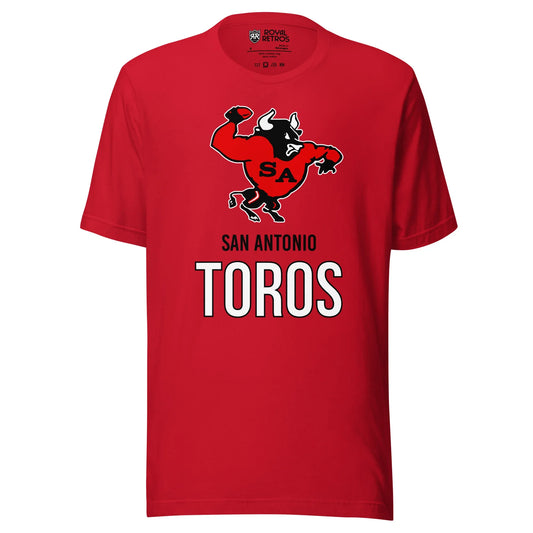
San Antonio Toros T-Shirt
Regular price $43.00 CADRegular priceUnit price per -
-
CUSTOM
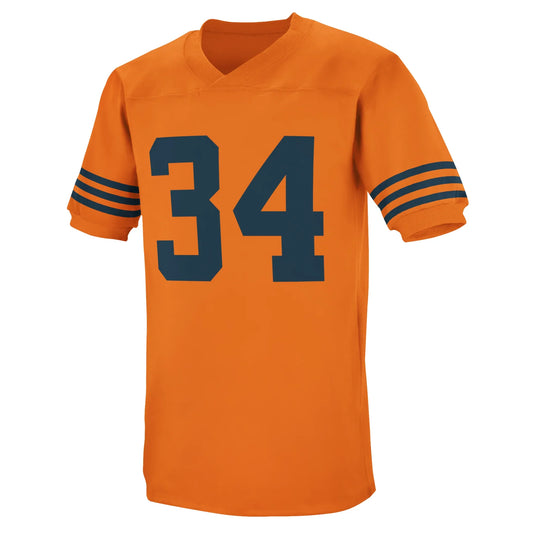
Chicago Owls Jersey
Regular price Starting at $163.00 CADRegular priceUnit price per -
-
CUSTOM
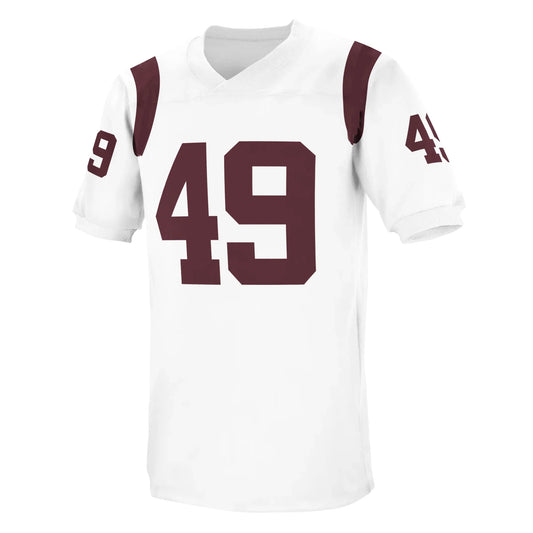
Roanoke Buckskins Jersey
Regular price Starting at $163.00 CADRegular priceUnit price per -
-
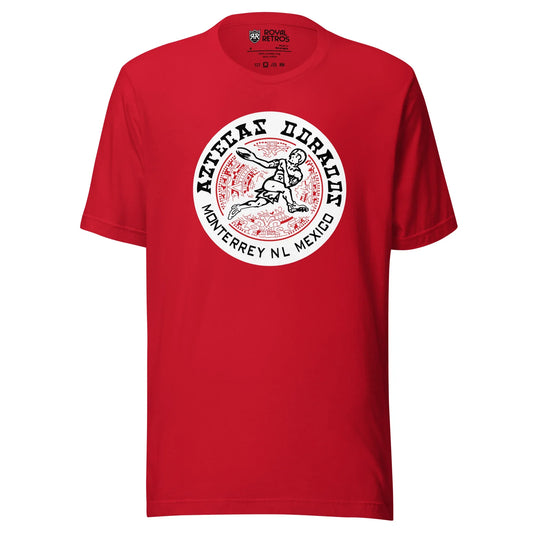
Mexico Aztecas Dorados T-Shirt
Regular price $43.00 CADRegular priceUnit price per -
-
-
-
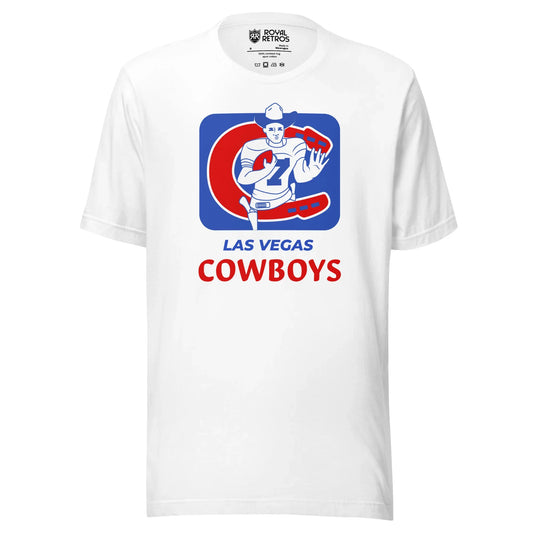
Las Vegas Cowboys Football T-Shirt
Regular price $43.00 CADRegular priceUnit price per -
-
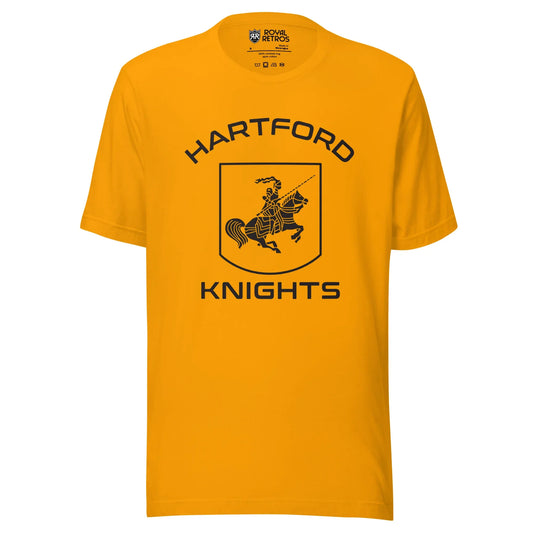
Hartford Knights T-Shirt
Regular price $43.00 CADRegular priceUnit price per -
-
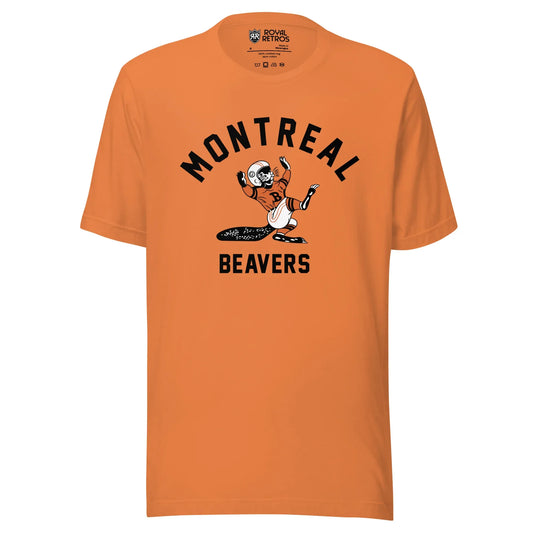
Montreal Beavers T-Shirt
Regular price $43.00 CADRegular priceUnit price per -
-
CUSTOM
San Jose Apaches Jersey
Regular price Starting at $163.00 CADRegular priceUnit price per -
-
CUSTOM
Waterbury Orbits Jersey
Regular price Starting at $163.00 CADRegular priceUnit price per -
-
CUSTOM
Harrisburg Capitols Jersey
Regular price Starting at $163.00 CADRegular priceUnit price per -
-
CUSTOM
New England Colonials Jersey
Regular price Starting at $163.00 CADRegular priceUnit price per -
-
CUSTOM
Hartford Knights Jersey
Regular price Starting at $120.00 CADRegular priceUnit price per -
-
CUSTOM
Norfolk Neptunes Jersey
Regular price Starting at $120.00 CADRegular priceUnit price per -
-
CUSTOM
Richmond Roadrunners Jersey
Regular price Starting at $163.00 CADRegular priceUnit price per -
-
CUSTOM
Rhode Island Steelers Jersey
Regular price Starting at $163.00 CADRegular priceUnit price per -
-
CUSTOM
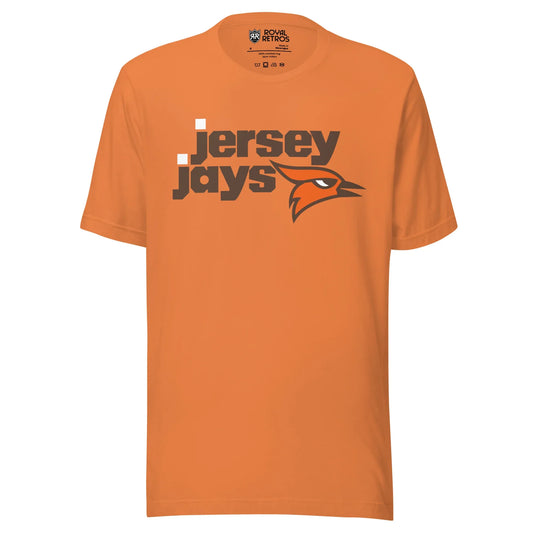
Jersey Jays Jersey
Regular price Starting at $163.00 CADRegular priceUnit price per -























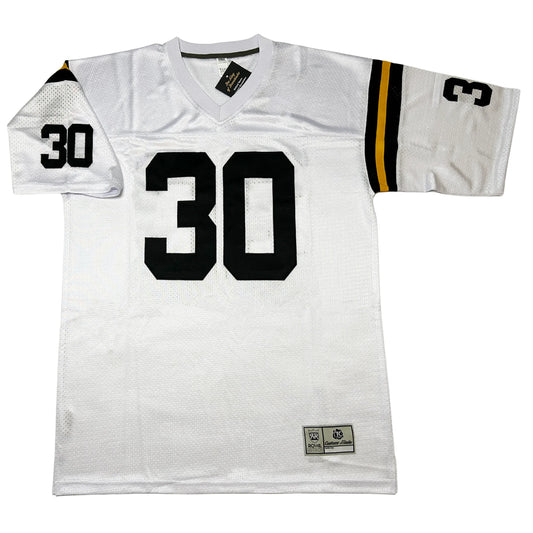


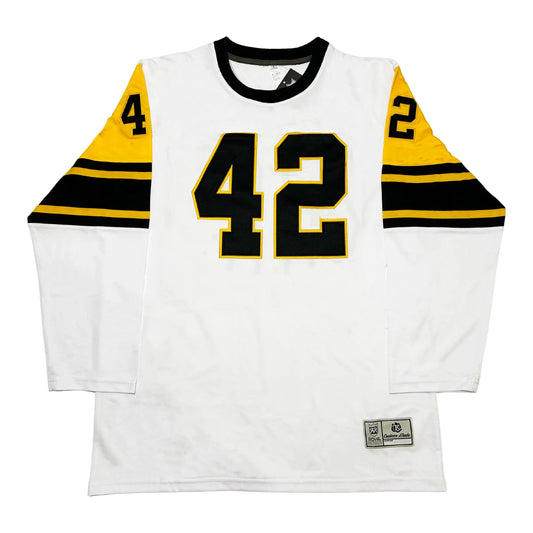


The Minor League Football Collection — Royal Retros Minor League Football Fan Shop
COFL & ACFL Throwbacks. Custom Names & Numbers. Sizes S–5XL. 1962 Paterson to the 1973 Colonials.
Royal Retros carries the deepest Continental Football League and Atlantic Coast Football League collection on the open web — 20 products covering 18 franchises from the two most important minor-league professional football circuits America ever ran. Thirteen jerseys, eleven at $114.99 and two at $84.99, plus seven T-shirts at a flat $29.99. Free custom name and number on most jerseys. Sizes Small through 5XL with no big & tall upcharge. These are the teams that played in front of 12,000 people at Foreman Field and 300 people in Harrisburg, that fed the NFL its farmhands, that gave Bill Walsh his first job as a head coach and Ken Stabler his first professional paycheck, and that no other retailer on the internet carries at all. If your grandfather played for one of them, or watched one of them, this is the only place the jersey exists.
What You Can Shop in the Minor League Football Collection
Minor League Football Jerseys — Thirteen of them, and they are effectively the entire retail market for these two leagues. Eleven are $114.99: the Harrisburg Capitols, Waterbury Orbits, New England Colonials, Roanoke Buckskins, Richmond Roadrunners, Rhode Island ACFL, Jersey Jays and Pottstown Firebirds from the Atlantic Coast Football League, and the Dallas Rockets, San Jose Apaches and Chicago Owls from the Continental Football League. Two more are $84.99: the Hartford Knights and the Norfolk Neptunes, which happen to be the two most decorated franchises in the whole collection. Heavyweight twill with sewn lettering and numbering, period-correct collar treatment, and colorways referenced against surviving photographic material. Free custom name and number on most styles. Cross-shop the full football jersey catalog, 206 products deep.
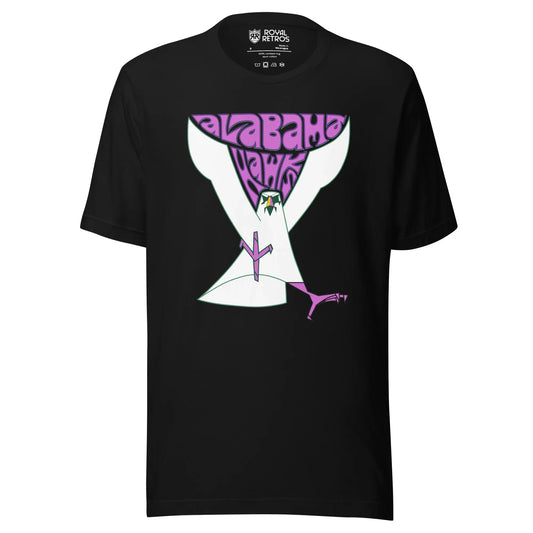
Minor League Football T-Shirts — Seven tees, all $29.99, all Small through 5XL, on soft pre-shrunk cotton. This is where the collection reaches the parts of the map the jerseys do not: the Mexico Aztecas Dorados tee for the Monterrey club that remains the only team from Mexico ever to play in an American professional football league; the San Antonio Toros tee for the most successful franchise in Texas minor-league football history; the Alabama Hawks tee for the Huntsville side that once hosted an NFL team; the Montreal Beavers tee for the club that played out of the Autostade; the Las Vegas COFL tee for the strangest relocation in the league's history; and second looks for the Hartford Knights and Jersey Jays. Seven tees, seven cities, not one of them a team you will see on anybody else's rack. The wider football T-shirt range runs to 362 products.
Customization — Free custom name and number on most jerseys. Put a real one on the back — Marv Hubbard, King Corcoran, Mel Meeks, George Bork, Bob Kuechenberg, Coy Bacon, Jeff Van Note, Manch Wheeler, Butch Logan — or your own name and number. Custom items are made to order and final sale.
Sizes — Small through 5XL on every jersey and every tee in this collection. No big & tall upcharge, no era surcharge, no collector's markup on the teams that are hard to find. Which, on this page, is all of them.
What this collection does not have — No hats, hoodies or jackets are carried for these two leagues, and we would rather tell you that than pad the page. To build out a multi-league set, the store-wide hoodie, jacket, unstructured hat and snapback ranges are all deep.
Shop the Marquee Minor League Football Teams
Hartford Knights — Two products, the $84.99 jersey and the $29.99 tee, and comfortably the best team in this collection. The Knights entered the ACFL in 1968 in place of the departed Hartford Charter Oaks, and across six seasons they never finished below second place, won every division title they contested, and had a winning record every single year — including a seventeen-win perfect season in 1972. They won the 1968 ACFL championship 30–17 over the Virginia Sailors, then lost three consecutive finals, two of them shutouts. Their first starting quarterback, Manch Wheeler, came down from the Buffalo Bills, and the Knights became a Bills affiliate for 1969. Their best-known alumnus is fullback Marv Hubbard, who played his first professional season in Hartford and went on to multiple Pro Bowls with the Oakland Raiders. Browse everything Connecticut.
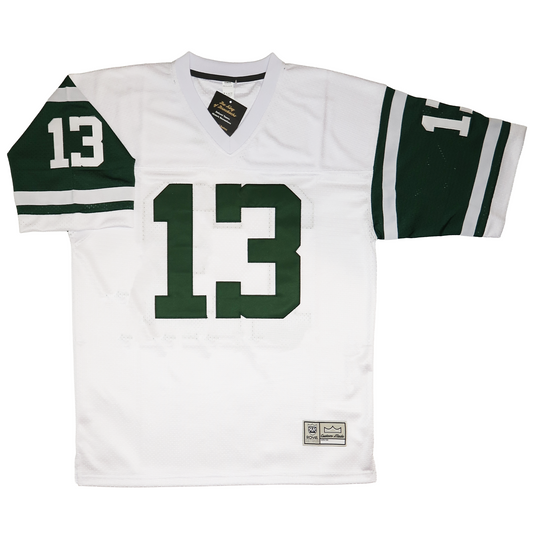
Norfolk Neptunes — The $84.99 jersey, and the commercial giant of minor-league football. The franchise started life as the Springfield Acorns in the ACFL in 1963, moved to Norfolk before the first COFL season opened in 1965, and spent five years in the COFL and two more in the ACFL. Across its existence it drew 574,481 fans to 47 home games at Foreman Field on the Old Dominion campus — 12,223 a game, at the time the highest average in the recorded history of minor league football, and in 1969 better than 13,000 a night against a COFL average of roughly 5,700. They finished the job in 1971, when King Corcoran quarterbacked them to the ACFL championship 24–13 over Hartford. Professional football did not return to Hampton Roads for forty years. Browse everything Virginia.
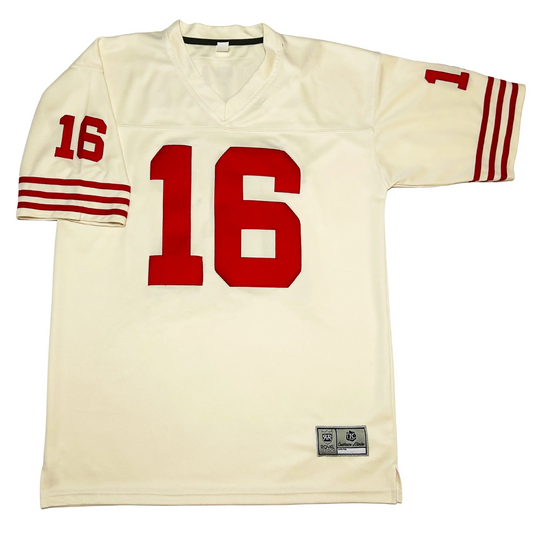
Pottstown Firebirds — The $114.99 jersey, and the only team on this page most people have actually seen play. The Firebirds existed for three ACFL seasons out of a town of 25,000 in Montgomery County, Pennsylvania, playing home games at Pottstown High School's stadium — and they won the league championship in both 1969 and 1970, both times over Hartford, both times by shutout, 20–0 and then 31–0. The 1970 side went 11–1 in the regular season. They were founded by two locals, Bob "Chuz" Calvario and Al Cavallo, who raised the $10,000 ACFL performance bond by selling public stock a few hundred dollars at a time until a local millionaire named Ed Gruber bought in. They were an early Philadelphia Eagles farm club, handed equipment already stamped with Eagles wings. And in 1970 NFL Films made a documentary about them — Pro Football, Pottstown, Pa. — which is why a minor-league team from a small Pennsylvania borough has a permanent place in the American football canon. Browse everything Philadelphia.
Chicago Owls — The $114.99 jersey, and the best deep cut in the collection. The Owls came out of the Professional Football League of America in 1967, joined the COFL when the two leagues merged, and made the decision that defines them: they moved into Soldier Field, which had sat without professional football since the Cardinals left in 1959. The Owls got there three years before the Bears did. They then drew 35,835 people to the whole 1968 season — under 6,000 a game in a stadium built for a hundred thousand — and 21,403 across all of 1969, about 3,500 a night. The Chicago press ran a standing joke that any mention of the Owls drew the same response as an owl: "Who?" Their 1968 quarterback was George Bork, back from three years with the Montreal Alouettes, and their offensive line included Bob Kuechenberg, who left for fourteen seasons with the Miami Dolphins. The COFL revoked the franchise in December 1969 for failing to meet its financial obligations. Browse everything Chicago.
San Jose Apaches — The $114.99 jersey, and the single most historically significant object in this collection. The Apaches were formed as a semi-pro club in 1962, worked up through Northern California football, and joined the COFL in 1967 in a new Pacific Division. Their head coach and general manager that season was a 35-year-old named Bill Walsh. He took them to 8–4 and second in the division — the first head-coaching job of a career that ended with three Super Bowls and a bust in Canton. The Apaches ceased football operations before the 1968 season started. One year, one coach, one jersey. Browse everything Bay Area, or the Candlestick Collection.
Jersey Jays — Two products, the $114.99 jersey and the $29.99 tee. The Jays were awarded to Newark in February 1969 to fill the COFL slot left by the departing Charleston Rockets, played that season at Newark Schools Stadium as a Cleveland Browns farm team, went 7–5, and then read the room: on 18 February 1970, weeks ahead of the COFL's quiet collapse, they jumped to the ACFL, moved to Roosevelt Stadium in Jersey City and went 7–5 again. Their attendance tells the whole story of minor-league football in one line — 8,800 for the 1969 opener, and 1,200 three home games later. Browse everything New Jersey.
Why Royal Retros Is the Home of Minor League Football Throwback Gear
- Teams that do not exist anywhere else in retail. This is the entire selling proposition of this page, so we will be blunt about it. There is no Waterbury Orbits jersey on the open market. No Roanoke Buckskins jersey, no Mexico Golden Aztecs tee, no Alabama Hawks tee, no Harrisburg Capitols jersey. Eighteen franchises, two leagues, and for most of them we are not the best option — we are the only option.
- Both leagues, properly separated. The Continental Football League and the Atlantic Coast Football League were different leagues with different economics, different geography and different lifespans, and we treat them that way. Go straight to the COFL collection or the ACFL collection if you already know which one you want.
- Flat, honest pricing. Eleven jerseys at $114.99, two at $84.99, seven tees at $29.99. No rarity surcharge, and no premium for the teams nobody else stocks.
- Free customization on most jerseys. Add a name and number at no extra cost on eligible items.
- Sizes S–5XL. True family sizing across every jersey and every tee, with no big & tall upcharge.
- Researched, not guessed. These leagues are thinly documented and a lot of what circulates online is wrong. Where the record is contested — an affiliation year, a disputed win-loss line — we leave it out rather than invent it. Every product here is reviewed for period accuracy before it goes live.
- Deep alternative-football coverage. Cross-shop with the World Football League, the USFL, the XFL, the UFL, the Alliance of American Football and CFLPA collections. The full history of professional football outside the NFL, in one store.
Quick Buying Questions
What sizes do minor league football jerseys come in?
Small through 5XL on every jersey style in this collection, and the same range on all seven tees. We don't upcharge for big & tall sizes.
Can I add my name and number to a minor league football jersey?
Yes — most styles include free custom name and number. Choose a real COFL or ACFL player or your own name. Look for the "Custom" option on the product page. Custom items are made to order and final sale.
Which minor league football jersey should I pick?
For a champion, take the Pottstown Firebirds (1969 and 1970 ACFL titles), the Hartford Knights (1968 ACFL title and a perfect 1972 season) or the Norfolk Neptunes (1971 ACFL title). For the best story in the collection, take the San Jose Apaches — Bill Walsh's first head-coaching job. For the purest deep cut, take the Waterbury Orbits, the Roanoke Buckskins or the Harrisburg Capitols. If you want the one nobody at the tailgate will place at all, the Rhode Island ACFL jersey belongs to a team that played six games and then stopped.
What are these jerseys made from?
Heavyweight twill on the replica builds, with sewn-on lettering and numbering and era-appropriate collar treatment. Tees are pre-shrunk cotton, Small through 5XL.
Are the designs accurate to the originals?
Yes, to the extent the surviving record allows — an honest qualification for leagues this obscure. Each design is referenced against photographic source material for the club and season it represents, and where color or striping evidence is genuinely ambiguous we build to the best-attested version rather than inventing a look.
How fast does it ship and what's the return policy?
Stock items ship within 3–5 business days. Custom jerseys are made to order and typically ship within 7–10 business days. Custom items are final sale. Standard items follow our return policy at /pages/returns.
Which one makes the best gift?
If a relative played — thousands of men did, for $100 a game and a day job — their team's jersey is made here and nowhere else. For the NFL Films fan, the $114.99 Pottstown Firebirds jersey is the object that goes with the two documentaries. For the coaching-history obsessive, the San Jose Apaches jersey is Bill Walsh's first head-coaching job. Under $30, any of the seven tees, with the Mexico Aztecas Dorados and Montreal Beavers shirts the two most likely to start a conversation.
What Was Minor League Football in America?
For most of the twentieth century, professional American football had a bottom half that nobody televised. Below the NFL — and from 1960, below the American Football League as well — sat a shifting network of professional and semi-professional circuits that paid real money to real players in real stadiums in cities the major leagues had no intention of reaching. They were called minor league football, and at their peak in the middle and late 1960s they fielded well over a hundred teams across the United States, Canada and, for one season, Mexico.
The economics were brutal. The Atlantic Coast Football League paid a base salary of $100 per game and carried 36 players on an active roster. The Continental Football League capped pay at $200 per player per week, with one exemption: quarterbacks could earn up to $650. Nobody in either league was a full-time athlete in the sense the word carries now. Players held jobs, practiced in the evenings and traveled by bus. Home fields were high school stadiums, minor-league ballparks and college grounds — and where a team did get into a major venue, the pictures of thirty thousand empty seats behind three thousand people became the defining image of the whole enterprise.
What made these leagues matter was not the money. It was that until roughly 1969 the NFL and AFL used them as an actual farm system. A young player who was not quite ready, a veteran working back from injury, or a specialist a big club wanted to keep on ice went down to a minor-league team with a formal working agreement and played. The ACFL in particular was built around those agreements: Pottstown belonged to the Philadelphia Eagles, Hartford to the Buffalo Bills, Waterbury and later Bridgeport to the New York Jets, Richmond to the New Orleans Saints, Roanoke to Washington, Harrisburg to the Baltimore Colts, Lowell to the Boston Patriots, Long Island to the New York Giants, and the Jersey Jays to the Cleveland Browns. That is a genuine minor-league structure, and it is why these franchises are worth collecting: their jerseys sit one rung below the NFL, not outside it.
Between them the Continental Football League and the Atlantic Coast Football League account for most of the serious minor-league professional football played in North America between 1962 and 1973 — the last era before the World Football League, the USFL and everything after moved the challenger model up-market and away from the farm system entirely.
The Atlantic Coast Football League, 1962–1973
The ACFL was the older, smaller and longer-lived of the two. It ran for twelve seasons between 1962 and 1973 along the eastern seaboard from Massachusetts down to Virginia, and it had genuine institutional roots: its first president, Joe Rosentover, had run the old American Association from 1947 to 1950, and several American Association names were revived in the new league — the Providence Steam Roller, the Newark Bears and a Paterson, New Jersey club among them. By 1968 Rosentover had been succeeded as commissioner by Cosmo Iacavazzi.
The league's first champions were the Paterson Miners, who beat the Providence Steam Roller 17–14 in double overtime in 1962. Then came the Newark Bears in 1963, the Boston Sweepers in 1964, the New Bedford Sweepers in 1965 and the Virginia Sailors in 1966 and 1967. The Sailors franchise is worth following, because it is the one that became a product on this page: it started as the Annapolis Sailors in 1965, won back-to-back ACFL titles as the Virginia Sailors, and then moved to Roanoke for 1969 as the Roanoke Buckskins, carrying a Washington NFL working agreement and a head coach, Billy Cox, who had played defensive back for Washington and who coached the franchise for all seven of its seasons in all three cities. The Buckskins went 7–5 in 1970 — 6–0 at home and 1–5 on the road, which is about as clean an illustration of minor-league travel as the record books contain.
The ACFL took its worst structural hit in 1965, when three of its own franchises — the Hartford Charter Oaks, the Newark Bears and the Springfield Acorns — walked out to help found the Continental Football League. It survived, rebuilt, and then got most of them back: when the COFL collapsed the ACFL absorbed the Norfolk Neptunes, the Orlando Panthers, the Jersey Jays and the Indianapolis Capitols for 1970. The Neptunes and Panthers were, literally, the Acorns and the Bears coming home under new names.
The late 1960s were the league's best years, and they belonged to three clubs: the Hartford Knights, who arrived in 1968 and immediately won the title; the Pottstown Firebirds, who arrived the same year and won the next two, shutting Hartford out in both finals; and the Norfolk Neptunes, in from the COFL and champions in 1971. The supporting cast was strong. The Waterbury Orbits went 8–3–1 in 1966 under Fred Wallner, a former Pro Bowl lineman with the Chicago Cardinals, and were already tied to the New York Jets — which is exactly why they became the Bridgeport Jets on moving in 1968. The Richmond Roadrunners went 7–5 in 1969 under J. D. Roberts, promoted from Richmond straight to the head-coaching job with the New Orleans Saints during the 1970 NFL season; his first game in charge was the one in which Tom Dempsey kicked a 63-yard field goal. The Harrisburg Capitols played seven straight seasons from 1963, were renamed the Capitol-Colts for 1968 and 1969 under a Baltimore Colts working agreement, and never made a playoff — their 1969 home gate against Bridgeport was 300 paid. And the Rhode Island Steelers were formed in 1966 as an outright Pittsburgh Steelers farm club, in Pittsburgh's colors, coached by former Steelers and Cowboys back Ray Mathews at McCoy Stadium in Pawtucket. They went 0–5–1, took emergency financial help from the league, played a final game in front of 591 people at Wilmington on 1 October 1966, and withdrew the following week.
In 1970 the Orlando Panthers signed a husband-and-wife pair, Steven and Patricia Palinkas, as kicker and holder. Steven did not make the team. Patricia did, becoming the first woman to play professional football. It happened in the ACFL, and almost nobody knows it.
Most of the league folded after 1971. The Hartford Knights and Bridgeport Jets dropped down to the Seaboard Football League for 1972, where Hartford went undefeated across seventeen games, several of them by more than forty points, decided the competition was beneath them and announced they were leaving to reform the ACFL. They did. The league came back for one final season in 1973 with Hartford, Bridgeport and a set of clubs promoted up from the Seaboard — and the champion was the New England Colonials, a first-year Foxborough club playing out of Schaefer Stadium with a coaching staff made entirely of Boston Patriots legends: head coach Tom Yewcic, with Houston Antwine and Gino Cappelletti assisting. The Colonials went 10–2, 7–0 at home, and beat the Bridgeport Jets 41–17 on 23 November 1973 for the title. Then the ACFL folded rather than compete with the incoming World Football League. The Colonials are the last champions the league ever had, and the 1973 jersey in this collection is the last jersey the ACFL ever produced.
The Continental Football League, 1965–1969
The COFL was the ambitious one. Its formation was announced on 6 February 1965, built out of the wreckage of the United Football League together with those three defecting ACFL clubs, and its stated goal was not to be a farm system at all — it wanted to become the major force in professional football outside the NFL and the AFL. It took its name, in part, from the Continental League, the proposed third major league in baseball that reshaped major league baseball without ever playing a game.
The league hired accordingly. Its first commissioner, appointed on 17 March 1965, was A. B. "Happy" Chandler — former governor of Kentucky, former United States senator, and former Commissioner of Baseball. Teams carried 36-man rosters with a five-man taxi squad, played under NFL rules with sudden-death overtime added to break regular-season ties, and were explicitly barred from loaning players to or taking optioned players from the NFL or AFL. The COFL wanted to look like a league, not a feeder.
The first three games were played on 14 August 1965. The Charleston Rockets of West Virginia went 14–0 in that inaugural season under Perry Moss, outscored their opponents 462–129, went 7–0 at home and 7–0 on the road, and beat the Toronto Rifles 24–7 for the first Continental Football League championship. It remains one of the great forgotten perfect seasons in American professional football.
The autonomy strategy did not survive contact with the balance sheet. In 1966 the league started chasing working relationships with NFL and AFL clubs after all, and Chandler — who said the terms he had accepted the job under were being changed — resigned on 20 January 1966. That same year the league landed a television deal of sorts: ABC agreed to broadcast the championship game on Wide World of Sports, and paid the COFL $500 for the rights. A real network contract with the upstart United Network was signed for 1967, and then the network folded before the season it was meant to broadcast. The COFL never had a television partner again.
The 1966 season also produced the league's most surreal franchise. The Brooklyn Dodgers of the COFL had Jackie Robinson as general manager and played home games at Downing Stadium on Randall's Island — nowhere near Brooklyn. They drew 29,500 across four games including an exhibition, became a league-operated road club in October, and finished by playing a "home" game in Mount Vernon, New York. The Philadelphia Bulldogs won that year's title 20–17 in overtime over Orlando at Temple Stadium under Wayne Hardin, hired out of the Naval Academy and later the long-serving head coach at Temple — then withdrew from the league in May 1967, less than six months after winning it, and never played again.
For 1967 the COFL added a Pacific Division by absorbing clubs from the Pacific Football League — the San Jose Apaches among them, with Bill Walsh in his first head-coaching job. That division was effectively a league within a league, playing only itself. The Toronto Rifles folded mid-season after the CFL's Argonauts raided them for their head coach, starting quarterback and starting running back in one go. And the remains of the Brooklyn club were sold to Frank Hurn, who moved them to Akron as the Vulcans on $2,000 of his own money and $50,000 of Chicago Outfit funding, lost $100,000 in three weeks, never paid his players or his coaches — one of whom was the Hall of Famer Doak Walker — and left a rival club to cover the Vulcans' salaries for their final game to head off a strike.
In February 1968 the COFL merged with the Professional Football League of America to push into the Midwest, bringing in the Chicago Owls among others. Danny Hill took over as commissioner and set the $200-a-week ceiling. That season a 23-year-old Ken Stabler played two games for the Spokane Shockers, and Garo Yepremian opened the year kicking for the Michigan Arrows after military service cost him his place with the Detroit Lions. It was also the year the Las Vegas Cowboys came into existence in the strangest way available: the Quad City Raiders lost their first two games, drew 1,200 in Davenport, were sold to an Indianapolis businessman named Thomas Redmond, and were relocated to Cashman Field — where a Las Vegas Cowboys franchise already existed in a different minor league and was simply folded in. Five players made the trip from Iowa. In 1969 that club went 8–4 and won the Pacific Division.
For 1969 the league expanded again by absorbing the Texas Football League, which brought in the San Antonio Toros, the Dallas Rockets and — the only time it has ever happened in a United States professional football league — a team from Mexico. The Mexico Golden Aztecs played out of the Estadio Universitario in Monterrey under owner Red McCombs, who would later buy the Minnesota Vikings. On 26 July 1969 they hosted the Chicago Owls in the first professional American football game a United States league ever played in Mexico, and they pulled 18,276 for a visit from Las Vegas — the biggest crowd almost any club in this collection ever played in front of. Then McCombs pulled the still-undefeated team out of Monterrey in September citing lack of support, failed to agree terms with Estadio Azteca over ticket pricing, played four straight road games, and ceased operations on 21 September 1969. The Golden Aztecs lasted eight games.
The Toros were the opposite: the best-run club in the whole story. Owner Henry Clay Hight paid his bills on time, hired local players, and deliberately rotated home games among Alamo Stadium, North East Stadium and Harlandale Memorial Stadium to spread the team around the city. San Antonio went 15–0 and then 12–1 winning two Texas Football League titles before joining the COFL, then went 7–4 in 1969, won the Texas Division West, and lost the final Continental Football League championship game 44–38 in overtime to the Indianapolis Capitols at Bush Stadium on 13 December 1969. Their player-coach Butch Logan was the last professional football player to wear jersey number zero until the number was re-legalized in 2023.
The Alabama Hawks of Huntsville deserve their own line. They had bounced through four leagues before landing in the COFL for 1968 and 1969, played out of Milton Frank Stadium, and were an unofficial Atlanta Falcons affiliate. On 2 August 1969 the Falcons came to Huntsville and played them — the only time an NFL club ever played a Continental Football League team. Atlanta, using mostly rookies, won 55–0 in front of 9,300. The Hawks also produced the best NFL alumni in this collection: center Jeff Van Note, six Pro Bowls with the Falcons, and receiver Chip Myers, one with the Bengals.
Optimism outlasted the money. In 1969 the Orlando Panthers offered the reigning Heisman winner, O. J. Simpson, $400,000 — close to double their entire team payroll — to play in the COFL if his Buffalo Bills negotiations fell through. They didn't. League attendance that year averaged about 5,700 a game, and only Norfolk was anywhere near solvent. On 15 December 1969 the league revoked the franchises of the Chicago Owls, the Ohio Valley Ironmen and the Omaha Mustangs for failing to meet their financial obligations. Then it came apart in pieces: the Jersey Jays left for the ACFL in February 1970, Indianapolis and Norfolk withdrew in March, San Antonio took Fort Worth and Dallas off to found the Trans-American Football League, and commissioner Jim Dunn resigned effective the end of March. No replacement was ever appointed, and there was never any announcement that the league had ceased to exist. By July 1970 only Spokane, Portland and Seattle remained, and the effective end of the Continental Football League was Portland simply not answering the phone.
Why These Leagues Existed Alongside the NFL
Three forces made minor-league professional football viable in the 1960s, and the same three forces killed it.
The first was geography. Before expansion and before television saturation, the NFL and AFL between them reached maybe two dozen cities. Norfolk, Hartford, Harrisburg, Roanoke, Richmond, Waterbury, Huntsville, Pottstown, Charleston and San Antonio all wanted professional football on a Saturday night and had no chance of a major-league franchise. Where minor-league football was run competently it filled that gap well: Norfolk averaged over 12,000 a game across its existence, Roanoke drew 14,000 for a Richmond visit in 1969, and Bridgeport put 13,246 into JFK Stadium for Pottstown in 1968.
The second was the farm system. Until the end of the 1960s, NFL and AFL clubs needed somewhere to develop players, and formal working agreements gave minor-league franchises credibility, equipment, coaching contacts and talent they could never have bought. A town of 25,000 could field a team in Philadelphia Eagles hand-me-down helmets and win a championship with it. The third was cost: a 36-man roster at $100 a game is a payroll one local businessman could carry — Ed Gruber in Pottstown, Hi-Ho D'Addario in Waterbury, Henry Clay Hight in San Antonio, Johnny Newman in Montreal — which is also why so many clubs died the moment that person's liquidity ran out.
All three collapsed together around 1970. The NFL–AFL merger completed, the expanded league stopped needing an external farm system, and the working agreements dried up almost simultaneously — which is precisely why so many of these franchises died between 1969 and 1971. Television made major-league football free at home on Sunday, a hard product to beat with a high school stadium on a Saturday. And neither league ever landed a television contract of its own: the COFL's one network partner folded before it aired, and its ABC championship-game rights fee was $500.
The Players Who Used These Leagues as a Path Up
Four contributors to the Continental Football League are in the Pro Football Hall of Fame, which is more than any other league not considered a major league has managed. Bill Walsh coached the San Jose Apaches in 1967, his first head-coaching job anywhere. Ken Stabler played two games for the Spokane Shockers in 1968 and became the league's first Hall of Fame inductee as a player. Doak Walker coached the Akron Vulcans in 1967 and Steve Van Buren coached the Newark Bears; both went in as players, and Van Buren also coached in the ACFL from its launch through 1966.
Below that tier the list is long and genuinely impressive for two leagues nobody remembers. Bob Kuechenberg started with the Chicago Owls and gave the Miami Dolphins fourteen seasons. Garo Yepremian kicked for the Michigan Arrows and later won a Super Bowl with those same Dolphins. Otis Sistrunk and Sam Wyche both passed through the COFL. Coy Bacon was the 1966 COFL All-Star end with the Charleston Rockets and went on to a long NFL career with the Rams, Chargers, Bengals and Washington. Jeff Van Note went from the Alabama Hawks to six Pro Bowls in Atlanta, and Chip Myers from the same club to the Bengals. Marv Hubbard played his first professional season with the Hartford Knights and made multiple Pro Bowls with the Raiders. Bob Tucker came out of the ACFL for eleven NFL seasons, and Nelson Munsey played for the Norfolk Neptunes until the Baltimore Colts drafted him in 1972.
The traffic ran the other way too. Manch Wheeler came down from the Buffalo Bills to quarterback Hartford; George Bork came back from three years with the Montreal Alouettes to run the Owls. Don Jonas never reached the NFL at all — he won three consecutive COFL Most Valuable Player awards with Orlando and then went to the Winnipeg Blue Bombers, and CFL clubs used the Continental league as a development pipeline routinely. Johnnie Walton quarterbacked the Indianapolis Capitols as a rookie in 1969, spent the mid-1970s in the World Football League and the late 1970s as an NFL backup, then came out of retirement in 1983 to start for the Boston Breakers in the USFL — a career touching four separate professional leagues.
And then there is the category these leagues invented: the man who chose to be a star in the minors rather than a body in the majors. Jim "King" Corcoran quarterbacked the Waterbury Orbits, the Pottstown Firebirds and the Norfolk Neptunes, won three league championships, played exactly one game in the NFL, and was known across the eastern seaboard as the poor man's Joe Namath because he preferred it that way. Kiyo "Doc" Tashiro, a practicing physician and Harvard alumnus, played defensive back in the ACFL until he retired after the 1964 season at 47 — the oldest man ever to play in a professional football league until George Blanda passed him in 1975.
Why Minor League Football Gear Still Sells
Most defunct-league apparel runs on mass nostalgia, and mass nostalgia needs a mass audience. These two leagues never had one. What they have instead is more durable: absolute scarcity and total specificity. Nobody buys a Waterbury Orbits jersey by accident. Nobody buys a Roanoke Buckskins jersey because it was trending. Every purchase on this page is somebody who knows exactly what they are looking at — a Hampton Roads native whose father had Neptunes season tickets, a Pottstown family with a relative in the 1970 team photograph, a football-history obsessive who wants Bill Walsh's first head-coaching job on a hanger, a Huntsville fan who remembers the day the Falcons came to town. That customer does not comparison shop, because there is nothing to compare against.
The designs help. These were 1960s identities built by local owners with no brand consultants and no restraint — Neptunes, Buckskins, Orbits, Firebirds, Owls, Beavers, Toros, Golden Aztecs — a naming era the modern game cannot reproduce. And unlike almost every other throwback category, there is no living rights-holder selling a competing modern version. No current team wears these marks. For the minor-league football fan the throwback is not an alternative to the current jersey — it is the only jersey that has ever existed.
More Frequently Asked Questions About Minor League Football
What was minor league football?
The network of professional and semi-professional American football leagues that operated below the NFL and AFL, principally from the 1930s through the early 1970s. At its peak in the late 1960s it fielded well over a hundred teams, and until roughly 1969 many of its franchises held formal working agreements with NFL and AFL clubs and functioned as a genuine farm system.
What was the Continental Football League?
A professional minor league that operated from 1965 to 1969 across the United States, Canada and — for one season — Mexico, formed out of the collapsed United Football League together with three defecting ACFL clubs. It intended to become the leading professional league outside the NFL and AFL. It capped pay at $200 per player per week, never secured a television contract, averaged about 5,700 fans a game in its final season, and dissolved after 1969 without ever formally announcing it had folded.
What was the Atlantic Coast Football League?
A professional minor league that ran along the eastern seaboard from 1962 to 1973, paying a base salary of $100 per game with 36-man rosters. Until 1969 many of its clubs were formal NFL and AFL farm teams. It lost three franchises to the COFL in 1965, absorbed four COFL clubs in 1970, largely collapsed after 1971, returned for one final season in 1973, and folded rather than compete with the World Football League.
Who won the COFL and ACFL championships?
Continental Football League: Charleston Rockets (1965, from a 14–0 season), Philadelphia Bulldogs (1966), Orlando Panthers (1967 and 1968) and Indianapolis Capitols (1969). Atlantic Coast Football League: Paterson Miners (1962), Newark Bears (1963), Boston Sweepers (1964), New Bedford Sweepers (1965), Virginia Sailors (1966 and 1967), Hartford Knights (1968), Pottstown Firebirds (1969 and 1970), Norfolk Neptunes (1971) and New England Colonials (1973).
Which famous people started in minor league football?
Bill Walsh took his first head-coaching job with the San Jose Apaches in 1967, and Ken Stabler played two games for the Spokane Shockers in 1968. Bob Kuechenberg began with the Chicago Owls, Jeff Van Note and Chip Myers with the Alabama Hawks, Coy Bacon with the Charleston Rockets, Marv Hubbard with the Hartford Knights. Doak Walker and Steve Van Buren both coached in these leagues after Hall of Fame playing careers.
Which minor league football team drew the biggest crowds?
The Norfolk Neptunes — 574,481 people across 47 home games at Foreman Field, an average of 12,223, at the time the highest in the recorded history of minor league football. In 1969 they averaged better than 13,000, more than double the COFL average.
Was a woman really the first professional football player in one of these leagues?
Yes. In 1970 the Orlando Panthers of the ACFL signed Steven and Patricia Palinkas as a kicker and holder pair. Steven did not make the team; Patricia did, and became the first woman to play professional football.
Did a Mexican team ever play in an American professional football league?
Once. The Mexico Golden Aztecs of Monterrey played the 1969 COFL season out of the Estadio Universitario, and remain the only team from Mexico ever to compete in a United States professional football league. Their 26 July 1969 exhibition against the Chicago Owls was the first professional American football game a US league played in Mexico. They ceased operations that September.
Why did these leagues die?
The NFL–AFL merger completed and the expanded league stopped needing an external farm system, so the working agreements that gave these clubs credibility and talent evaporated between 1969 and 1971. Neither league ever landed a real television contract, and attendance outside a handful of markets could not cover even a $100-a-game payroll. The ACFL made it to 1973 and then declined to compete with the World Football League.
How many minor league football products does Royal Retros carry?
20 products across 18 franchises — 13 jerseys and 7 T-shirts, covering both the Continental Football League and the Atlantic Coast Football League. For most of these teams there is no other source of apparel anywhere.
Shop Minor League Football Teams
- Alabama Hawks — COFL 1968–69, Huntsville. Played the Atlanta Falcons in 1969, the only NFL-versus-COFL game ever staged. Jeff Van Note's first team. $29.99 tee.
- Chicago Owls — COFL 1968–69. Beat the Bears into Soldier Field by three years and drew 3,500 a game there. $114.99 jersey. Browse Chicago.
- Dallas Rockets — COFL 1969, in from the Texas Football League, out to the Trans-American Football League. $114.99 jersey. Browse Dallas-Fort Worth and Texas.
- Harrisburg Capitols — ACFL 1963–69, seven straight seasons, a Baltimore Colts working agreement and a 1969 home gate of 300. $114.99 jersey. Browse Baltimore.
- Hartford Knights — ACFL 1968–71 and 1973. Never finished below second, 1968 champions, a perfect 1972 season. $84.99 jersey and $29.99 tee. Browse Connecticut.
- Jersey Jays — COFL 1969, ACFL 1970. A Cleveland Browns farm club that jumped leagues weeks before the COFL collapsed. $114.99 jersey and $29.99 tee. Browse New Jersey, Cleveland and New York.
- Las Vegas COFL — COFL 1968–69, at Cashman Field. Pacific Division champions in 1969 after the strangest relocation in the league's history. $29.99 tee. Browse Nevada.
- Mexico Aztecas Dorados — COFL 1969, Monterrey. The only team from Mexico ever to play in a US professional football league. $29.99 tee. Browse Mexico and Latin America.
- Montreal Beavers — COFL 1966–67, at the Autostade, coached by Marvin Bass. $29.99 tee. Browse Quebec.
- New England Colonials — ACFL 1973. The last champions the league ever crowned, coached by a staff of Boston Patriots legends. $114.99 jersey. Browse Massachusetts.
- Norfolk Neptunes — COFL 1965–69, ACFL 1970–71. The best-supported minor league football team in American history and 1971 ACFL champions. $84.99 jersey. Browse Virginia.
- Pottstown Firebirds — ACFL 1968–70. Back-to-back champions from a town of 25,000, and the subject of two NFL Films documentaries. $114.99 jersey. Browse Philadelphia.
- Rhode Island ACFL — ACFL 1966, at McCoy Stadium in Pawtucket. A Pittsburgh farm club that went 0–5–1 and quit in October. $114.99 jersey. Browse Pittsburgh.
- Richmond Roadrunners — ACFL 1968–69, a New Orleans Saints affiliate whose head coach was promoted straight to the NFL. $114.99 jersey. Browse Virginia.
- Roanoke Buckskins — ACFL 1969–71, at Victory Stadium, carrying a Washington NFL working agreement. $114.99 jersey. Browse Virginia.
- San Antonio Toros — COFL 1969. Texas Division champions and losing finalists in the last COFL championship game ever played. $29.99 tee. Browse San Antonio and Texas.
- San Jose Apaches — COFL 1967. Bill Walsh's first head-coaching job, 8–4, and then the club stopped playing. $114.99 jersey. Browse Bay Area.
- Waterbury Orbits — ACFL 1966–67, at Municipal Stadium, tied to the New York Jets and later renamed the Bridgeport Jets. $114.99 jersey. Browse Connecticut.
Shop Minor League Football by League
- Continental Football League — The 1965–69 COFL on its own: Owls, Apaches, Toros, Rockets, Hawks, Beavers, Golden Aztecs and more. 12 products.
- Atlantic Coast Football League — The 1962–73 ACFL on its own: Knights, Firebirds, Neptunes, Colonials, Orbits, Buckskins, Roadrunners, Capitols. 14 products.
Shop Related Football Collections
- World Football League — The 1974–75 league the ACFL folded rather than compete with, and where a lot of these players went next. 61 products.
- USFL — The 1983–85 spring league and its 2022–23 revival. 125 products.
- XFL and UFL — The modern alternative-football era, 63 and 82 products.
- Alliance of American Football — The 2019 spring league. 16 products.
- CFLPA — Canadian Football League gear. The CFL used the Continental league as a development pipeline and raided it openly. 53 products.
- Arena Football League, AF1 and AF2 — Indoor football, the late-century successor to the minor-league model. 75, 32 and 30 products.
- Other Football and Legacy Football — The wider legacy football archive, 78 and 123 products.
- Custom Football Jerseys — 206 products, S–5XL, free name and number on most.
- Football T-Shirts — 362 football tees across every league we carry.
- Hoodies, Jackets, Unstructured Hats and Snapbacks — Outerwear and headwear across the whole store.
- Candlestick Collection — Bay Area football history, alongside the San Jose Apaches.
Minor League Football at Royal Retros — COFL & ACFL Throwbacks. Custom Names & Numbers. Sizes S–5XL. 18 Teams Nobody Else Carries.