



-
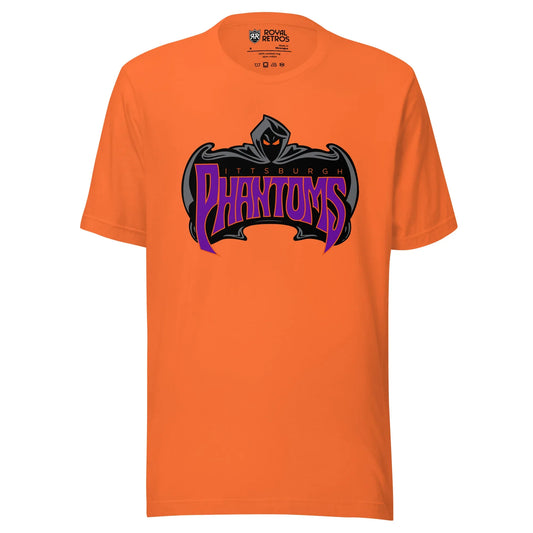
Pittsburgh Phantoms T-Shirt
Regular price $43.00 CADRegular priceUnit price per -
-
-
-
-
-
Tampa Bay Tritons T-Shirt
Regular price $43.00 CADRegular priceUnit price per -
-
-
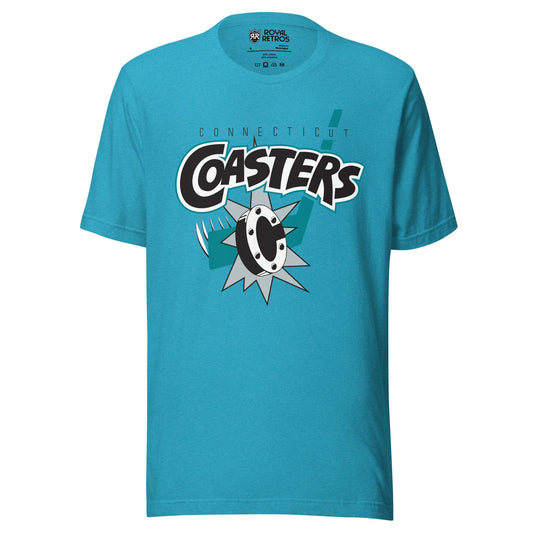
Connecticut Coasters T-Shirt
Regular price $43.00 CADRegular priceUnit price per -
-
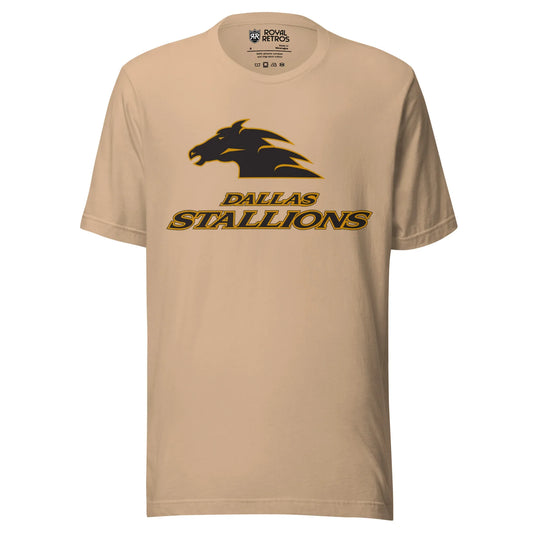
Dallas Stallions T-Shirt
Regular price $43.00 CADRegular priceUnit price per -
-
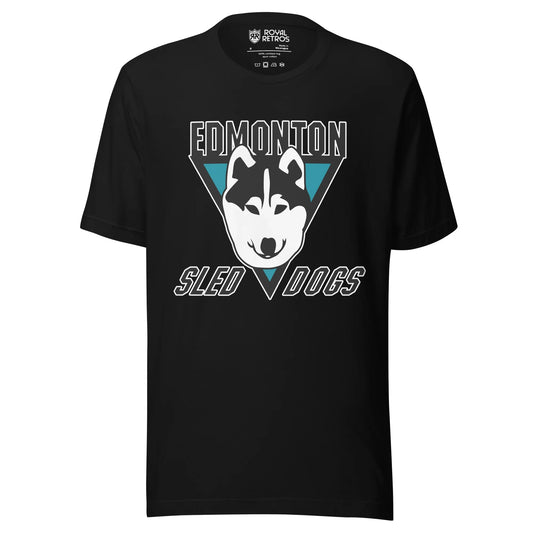
Edmonton Sled Dogs T-Shirt
Regular price $43.00 CADRegular priceUnit price per -
-
Empire State Cobras T-Shirt
Regular price $43.00 CADRegular priceUnit price per -
-
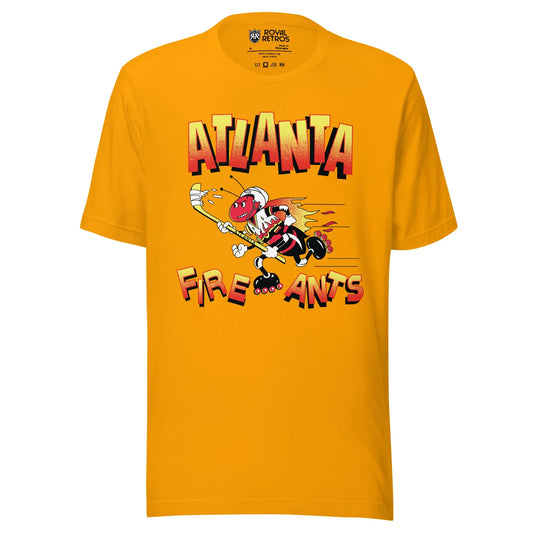
Atlanta Fire Ants T-Shirt
Regular price $43.00 CADRegular priceUnit price per -
-
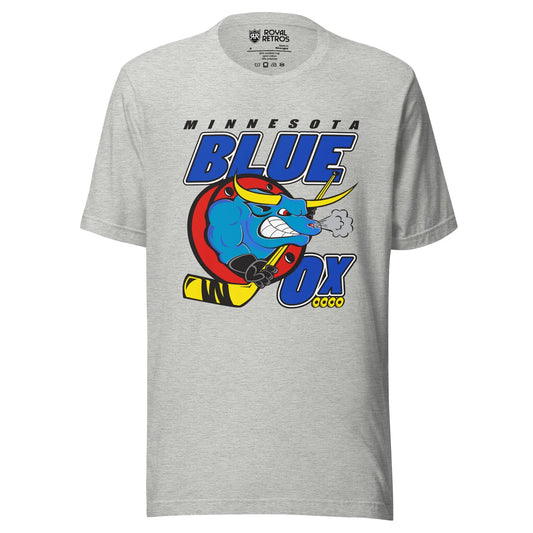
Minnesota Blue Ox T-Shirt
Regular price $43.00 CADRegular priceUnit price per -
-
-
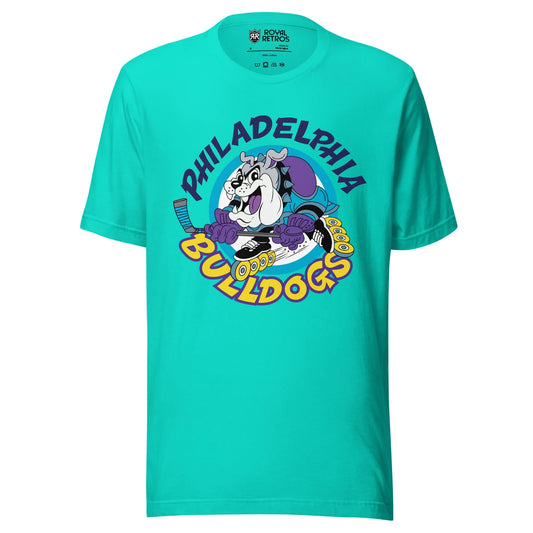
Philadelphia Bulldogs RHI T-Shirt
Regular price $43.00 CADRegular priceUnit price per -
-
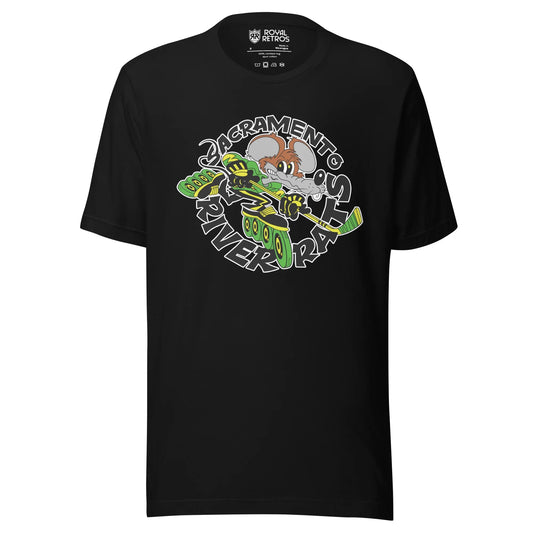
Sacramento River Rats T-Shirt
Regular price $43.00 CADRegular priceUnit price per -
-
San Diego Barracudas T-Shirt
Regular price $43.00 CADRegular priceUnit price per -
-

























Hockey T-Shirts — Vintage & Throwback Tees from Every League Hockey Ever Tried
137 Throwback Hockey T-Shirt Designs. WHA, Roller Hockey International, IHL, Defunct NHL & Minor Pro. $29.99. Sizes S–5XL.
Royal Retros carries 137 vintage hockey T-shirt designs, and almost none of them are teams still playing. That is the point of this collection. Every major hockey experiment of the last hundred years left behind uniforms, logos and city identities that never made it onto a modern jersey rack — a rival major league that bid up Bobby Hull and Gordie Howe, a mid-1990s roller hockey boom that filled NHL arenas in the off-season, an International Hockey League that tried to out-build the NHL itself, and a century of city-hopping minor pro clubs that gave towns from Broome County to Waco a team to call their own for a few seasons. We build shirts for all of it. Every tee is $29.99, printed on a 100% cotton (52/48 cotton-poly blend on heather colors) 4.2oz combed and ring-spun tee, sized S through 5XL, and shipped in 3–5 business days. If a hockey league folded, relocated, or never took the ice at all, there is a decent chance it is in this collection.
Shop Hockey T-Shirts by League
World Hockey Association (WHA), 1972–1979 — Roughly 25 designs. The WHA was the last serious rival major league in North American hockey, and its teams moved cities almost as often as they took the ice: the Ottawa Nationals became the Toronto Toros, then the Birmingham Bulls; the Cherry Hill Jersey Knights became the San Diego Mariners; the Los Angeles Sharks became the Michigan Stags then the Baltimore Blades before folding outright. We carry the Chicago Cougars, Houston Aeros, Vancouver Blazers, Philadelphia Blazers, Cincinnati Stingers, Minnesota Fighting Saints, Cleveland Crusaders, Calgary Cowboys, New York Golden Blades, New York Raiders, Phoenix Roadrunners, and the four franchises that survived into the NHL merger — Hartford WHA, Winnipeg WHA, Quebec, and Edmonton's rival league neighbors. Shop the full run in World Hockey Association.
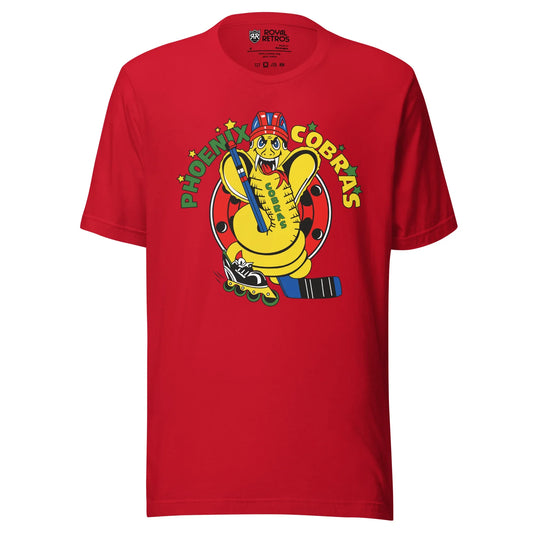
Roller Hockey International (RHI), 1993–1999 — Roughly 32 designs, the single largest league in this collection. RHI ran in NHL and NBA arenas over the summer, riding the mid-1990s in-line skating boom, and its team names lean gloriously over-the-top: Anaheim Bullfrogs, Vancouver Voodoo, Orlando Rollergators, Empire State Cobras, Minnesota Blue Ox, Atlanta Fire Ants, Utah Rollerbees, San Diego Barracudas, and two dozen more. Browse the whole league at Roller Hockey International.
International Hockey League (IHL) — Roughly 20 designs. The IHL is one of the oldest minor pro leagues in North America, and by the 1990s it was trying to out-expand the NHL directly, planting big-arena franchises like the Detroit Vipers, Cleveland Lumberjacks, Las Vegas Thunder and Atlanta Knights before the whole thing collapsed. We also carry the league's older-school clubs — Toledo Mercurys, Toledo Goaldiggers, Flint Generals, Grand Rapids Rockets, Johnstown Jets and Columbus Checkers among them. Shop International Hockey League (IHL).
Providence Reds, Baltimore Clippers, Cincinnati Swords and other vintage AHL clubs — Roughly 14 designs of teams that played real seasons in the American Hockey League decades ago, long before it consolidated into today's tidy one-city-one-affiliate structure. The AHL has operated continuously since 1936 as the top development league feeding the NHL; independent-minded clubs like the Baltimore Clippers, Baltimore Bandits, Baltimore Skipjacks, Providence Reds, Philadelphia Firebirds, Portland Pirates, Cincinnati Swords, Cincinnati Mohawks, Cincinnati Mighty Ducks, Connecticut Whale and Kentucky Thoroughblades all carried their own identities and fan bases under that league.
Columbus Chill, New Orleans Brass and other early ECHL clubs — Six designs, including two takes on the Columbus Chill, plus the Louisville Icehawks, Atlantic City Boardwalk Bullies and Huntington Blizzard. These franchises played in the East Coast Hockey League (ECHL), which launched in 1988 as a lower-cost minor league below the AHL; its early clubs leaned hard into promotion-driven, fan-first marketing — the Columbus Chill in particular built a cult following in the 1990s around loud between-whistles entertainment as much as the hockey itself.
Central Hockey League (CHL) and Western Professional Hockey League (WPHL) — Tallahassee Tiger Sharks, Austin Ice Bats, Albuquerque Six-Guns and Lubbock Cotton Kings from the CHL; Lake Charles Ice Pirates and El Paso Buzzards from the WPHL. Both leagues covered enormous stretches of the American South and Southwest, markets with almost no hockey tradition before these clubs showed up. Explore both at Central Hockey League and Western Professional Hockey League.
Pacific Coast Hockey Association / Pacific Coast Hockey League (PCHA/PCHL) — Five designs from hockey's earliest professional circuit on the West Coast: Portland Rosebuds, Victoria Aristocrats, Vancouver Millionaires, Los Angeles Monarchs and San Francisco Shamrocks. Shop the era at Pacific Coast Hockey Association.
Defunct NHL franchises — Eleven designs of NHL teams that no longer exist under their original names or in their original cities: California Golden Seals (two designs), Atlanta Flames, Kansas City Scouts, Minnesota North Stars, Cleveland Barons, Detroit Cougars, Hamilton Tigers, Montreal Wanderers, Philadelphia Quakers and Pittsburgh's short-lived 1920s NHL club.
Independent and regional minor pro — Nine more designs from leagues and clubs that never fit a neat national bracket: Mobile Mysticks, Broome County Dusters, Billings Bighorns, Waco Wizards, Las Vegas Gamblers, Madison Monsters, Chicago Shamrocks, The Beast of New Haven and Quebec Aces. Two more — Hampton Roads Rhinos and Florida Block Busters — were proposed franchises that never played a game; see Proposed Teams.
Shop by Team — The Names Fans Keep Asking For
A handful of teams in this catalog carry stories bigger than their win-loss record. The Indianapolis Racers lasted only four WHA seasons, but they are the team that signed a 17-year-old Wayne Gretzky to his first professional contract in 1978. The New England Whalers won the WHA's first-ever championship in 1972–73, then followed the franchise from Boston to Springfield to Hartford before joining the NHL in the 1979 merger. The California Golden Seals played in white skates under owner Charlie Finley before relocating to Cleveland in 1976. The Johnstown Jets are the real-life team behind the 1977 film Slap Shot — the Hanson Brothers were modeled on Johnstown's actual Carlson brothers. And the Vancouver Voodoo built one of Roller Hockey International's most collected identities around a purple, green and yellow voodoo-doll motif. A few more worth knowing: the San Diego Mariners were the relocated Jersey Knights and made the WHA playoffs in all three of their San Diego seasons behind player-coach Harry Howell, and the Montreal Wanderers hold the strange distinction of being an NHL founding franchise in 1917 that folded after only six games when their arena burned down. Every one of these designs, and well over a hundred more, ships from the same $29.99, S–5XL catalog.
Shop by Graphic Style
Design lines run across the whole catalog rather than by league, so you can shop by look as easily as by team. Primary logo tees put a team's main crest front and center — the standard pick for most of the 137 designs. Wordmark tees lean on script or block lettering instead of a crest, a look several WHA and Golden Seals designs use well. League gear tees carry a league mark rather than a single team, like the WHA League tee, for fans who want to represent the whole rival-league era rather than one city. Across every style the construction is the same: printed graphics on a soft, pre-shrunk cotton blend, built to look like it has been through a few seasons already.
Materials, Fit & Sizes
Every hockey tee in this collection is 100% cotton — 52% cotton/48% polyester on heather colorways — at 4.2oz combed and ring-spun weight, cut in a unisex classic fit and pre-shrunk with side seams. Graphics are printed, not embroidered, which keeps the price at a flat $29.99 across every team and every era. Sizes run S through 5XL on every active design, with no big & tall upcharge. There is no active long-sleeve style in this collection right now — every product here is a short-sleeve tee.
Why Royal Retros for Hockey T-Shirts
- 137 active designs across a dozen leagues and eras. WHA, RHI, IHL, AHL, ECHL, CHL, WPHL, PCHA/PCHL, defunct NHL and independent minor pro, all in one collection.
- Flat, honest pricing. Every tee is $29.99. No era surcharge, no "rare team" markup.
- Sizes S–5XL, no big & tall upcharge. True family sizing on every style.
- Depth no fan-site or general vintage seller matches. Most retailers carry a handful of famous WHA names. We carry the entire Roller Hockey International roster, the IHL's overexpansion era, and the Pacific Coast circuits nobody else touches.
- Heritage tribute product, honestly labeled. These are vintage-inspired reproductions built from historical team identities. Licensing status is marked individually on each product page, not assumed collection-wide.
Quick Buying FAQ
What size should I order?
These run true to size in a unisex classic fit. If you prefer a looser, more vintage drape, size up one. Every design in this collection is available S through 5XL, so there is no need to compromise on fit to find your team.
What are the shirts made of?
100% cotton on solid colors, a 52% cotton/48% polyester blend on heather colorways, at a 4.2oz combed and ring-spun weight. They are pre-shrunk and side-seamed for a cleaner fit than a standard tube-knit tee, with printed (not embroidered) graphics.
How fast does it ship?
Stock tees ship within 3–5 business days. There is no customization on these designs, so there is no made-to-order wait — you are ordering off the shelf.
What is the return policy?
Standard returns apply through our returns page at /pages/returns. Since nothing in this collection is made to order, standard-item return rules cover every design here.
Are these officially licensed?
This is a mixed catalog spanning many teams and eras, so licensing status is marked individually on each product's own page rather than claimed collection-wide. The great majority of this collection is vintage-inspired tribute apparel — heritage designs built from historical team identities. Check the individual product description before assuming either way.
Why don't I recognize most of these teams?
Because most of them do not exist anymore. This collection is built around leagues and franchises that folded, merged or relocated — the WHA, Roller Hockey International, most of the IHL's boom-era clubs, and a century of minor pro teams that came and went with the local economy. If a team here is unfamiliar, that is not a gap in your hockey knowledge — it is the whole premise of the catalog.
Do you carry jerseys or hats to match these tees?
Hockey jerseys are a separate collection — see Custom Hockey Jerseys for the full jersey catalog across these same leagues.
Why Do So Many of These Hockey Leagues No Longer Exist?
Because professional hockey below the NHL has spent a century running as a high-turnover business. Every league in this catalog — the WHA, Roller Hockey International, the IHL's 1990s expansion era, and the long list of regional minor pro circuits underneath them — folded, merged, or contracted for some combination of the same three reasons: they spent more chasing NHL-level ambitions than their markets could support, they depended on a fad or a bidding war that had a natural expiration date, or they simply could not out-travel their own geography on minor league budgets. The rest of this section walks through each one specifically.
What Was the World Hockey Association (WHA)?
The WHA was a rival major professional hockey league that operated from 1972 to 1979, built specifically to challenge the NHL's monopoly on top-tier talent. It launched with twelve franchises and immediately went after NHL stars with real money — Bobby Hull signed with the Winnipeg WHA club for a reported $1 million contract in 1972, a deal that gave the new league instant credibility and forced the NHL to take it seriously. Gordie Howe came out of retirement in 1973 to join the Houston Aeros alongside his sons Mark and Marty, one of the most famous father-son storylines in hockey history. The New England Whalers won the league's first championship, the Avco World Trophy, in the 1972–73 inaugural season.
Why did the WHA fold?
The WHA folded in 1979 because the bidding war it started against the NHL was never financially sustainable across twelve to fourteen markets at once. Franchises relocated constantly chasing viable arenas and paying fan bases — the Ottawa Nationals became the Toronto Toros, then the Birmingham Bulls; the Cherry Hill Jersey Knights became the San Diego Mariners; the Los Angeles Sharks became the Michigan Stags, then the Baltimore Blades, then folded outright before the league's final season. Several other franchises, including the New York Raiders and New York Golden Blades, never found stable ownership or a workable arena deal. By 1979 only a handful of WHA teams were financially healthy enough to survive.
What happened in the 1979 WHA–NHL merger?
Four WHA franchises were absorbed directly into the NHL for the 1979–80 season: the New England Whalers (as the Hartford Whalers), the Quebec Nordiques, the Winnipeg WHA club (as the Winnipeg Jets), and the Edmonton Oilers. Every other WHA team folded outright or was bought out as part of the merger settlement. The four survivors brought a wave of talent into the NHL with them, most famously a young Wayne Gretzky, whose brief Indianapolis Racers stint and subsequent move to Edmonton is one of the defining transactions in hockey history — Racers owner Nelson Skalbania signed Gretzky to his first professional contract in 1978, then sold the contract to Edmonton months later when the Racers could no longer stay afloat, folding shortly after.
What Was Roller Hockey International (RHI)?
Roller Hockey International was a professional in-line hockey league that played from 1993 to 1999, timed almost exactly to the mid-1990s in-line skating boom. RHI teams played in NHL and NBA arenas during the summer off-season, which let the league piggyback on major-market arenas and, in several cities, NHL ownership groups themselves. Franchises leaned into loud, over-the-top branding that had nothing to lose by being fun — the Anaheim Bullfrogs, Vancouver Voodoo, Orlando Rollergators, Minnesota Blue Ox, Atlanta Fire Ants and Utah Rollerbees are all real RHI team names, and this collection carries all of them plus more than two dozen others.
Why did in-line roller hockey disappear?
In-line skating's national popularity peaked in the mid-1990s and declined through the rest of the decade, and RHI's business was built directly on top of that wave. Without the broader in-line boom feeding new fans and players into the sport, attendance and sponsorship revenue thinned out league-wide, and RHI stopped operating after the 1999 season. It remains one of the most distinctive one-decade sports leagues in American history — briefly a real television property, then gone almost as fast as the trend that created it.
What Was the International Hockey League (IHL)?
The IHL was one of the oldest minor professional hockey leagues in North America, tracing its roots back to 1945, and it spent most of its history as a stable, well-regarded tier below the NHL. That changed in the 1990s, when the league pursued an aggressive expansion strategy, placing large-arena franchises in cities like Detroit (the Vipers), Las Vegas (the Thunder), Atlanta (the Knights) and Cleveland (the Lumberjacks) and paying salaries that rivaled the NHL's own lower tier, positioning itself as something closer to a second major league than a traditional development circuit.
Why did the IHL fold in 2001?
The IHL's 1990s expansion outran its revenue. Big-arena franchises carried NHL-level costs without NHL-level television and gate revenue to match, and several clubs bled money for years before ownership groups gave up. The league ceased operations after the 2000–01 season, and a number of its stronger franchises — including former IHL clubs in cities like Houston and Chicago — moved directly into the American Hockey League, which by then had solidified its position as the NHL's primary development league. The IHL's older-school clubs, teams like the Toledo Goaldiggers, Flint Generals and Johnstown Jets, represent the league's more traditional, pre-expansion identity.
Why Did So Many Minor-Pro Hockey Teams Keep Folding or Relocating?
Below the WHA, RHI and IHL, this collection carries dozens of smaller regional teams — AHL clubs like the Baltimore Clippers and Cincinnati Swords, ECHL clubs like the Louisville Icehawks and Huntington Blizzard, CHL and WPHL clubs like the Austin Ice Bats and Lake Charles Ice Pirates, and independent outfits like the Waco Wizards and Billings Bighorns. Minor pro hockey at this level runs on thin margins in mid-sized markets, and long-distance travel between clubs (leagues like the CHL and WPHL covered enormous stretches of the American South and Southwest) adds cost that bigger markets never have to absorb. A single ownership change, a lost arena lease, or one bad attendance year was often enough to end a franchise or send it looking for a new city — which is exactly why so many of these teams changed names, changed towns, or simply stopped playing within a decade of starting.
What Was the Central Hockey League, and Why Are There Two Eras of It?
Two different leagues have carried the Central Hockey League name. The original CHL ran from 1963 to 1984 as a mid-tier development league feeding NHL rosters, and it is where a franchise like the Cincinnati Stingers' hockey roots first took shape before the WHA years. A second, unrelated CHL launched in 1992 covering Texas and the Southwest — the league behind the Austin Ice Bats, Albuquerque Six-Guns, Lubbock Cotton Kings and Tallahassee Tiger Sharks in this collection — before eventually folding its membership into the ECHL in the mid-2010s. The overlap in name causes constant confusion among collectors; the team, city and years on the shirt are the only reliable way to tell which CHL a design belongs to.
What Was the Pacific Coast Hockey Association?
The Pacific Coast Hockey Association (PCHA) was hockey's first fully professional league on the West Coast, founded in 1911 by brothers Frank and Lester Patrick. It ran alongside the early NHL as a genuine rival for top talent and the Stanley Cup itself — PCHA champions regularly challenged for the Cup in the league's early decades, a level of relevance no West Coast league has matched since. The Patricks' PCHA is also credited with several rules innovations that became standard across hockey, including the blue line and allowing goaltenders to leave their feet to make a save. The league folded into the Western Canada Hockey League in 1924, and its successor, the Pacific Coast Hockey League, carried the torch through the 1920s. The Portland Rosebuds, Victoria Aristocrats, Vancouver Millionaires, Los Angeles Monarchs and San Francisco Shamrocks in this collection all trace back to that founding West Coast era.
Why Do Baltimore and Cincinnati Each Have Four Hockey Identities in This Collection?
Because both cities cycled through minor pro hockey franchises for decades without ever landing a permanent NHL team, and each new ownership group or league affiliation tended to bring a new nickname. Baltimore alone accounts for four designs here — the Clippers and Bandits and Skipjacks from various AHL eras, plus the Blades from a single WHA season — while Cincinnati contributes the Stingers (WHA), the Mohawks and Swords (AHL) and the Mighty Ducks (AHL, affiliated with Anaheim's NHL club). Neither city's hockey story ends with a single beloved team the way a one-franchise market's does; it is a string of teams, each one somebody's actual local hockey memory for a few years running.
The Original-Era NHL Teams in This Collection
A handful of designs here predate the WHA entirely and reach back into the NHL's own early, chaotic expansion years. The Montreal Wanderers were one of the NHL's founding franchises in 1917 and folded just six games into that first season after a fire destroyed their home arena — one of the strangest short careers in major professional sports. The Hamilton Tigers played in the NHL through the early 1920s before the franchise relocated and became the New York Americans. The Philadelphia Quakers lasted a single NHL season, 1930–31, going 4–36–4 before folding outright — one of the worst single-season records in league history. Pittsburgh's NHL franchise (also nicknamed the Pirates) played from 1925 to 1930 before financial trouble during the Depression forced its relocation and eventual folding. And the Detroit Cougars were the original name of Detroit's NHL franchise from 1926 through 1930, well before it became one of the league's flagship clubs under a different name. These are the oldest stories in the whole catalog, and the shirts are built to match — simple, period-correct block wordmarks rather than the busier graphics of later eras.
Is the Johnstown Jets T-Shirt Connected to the Movie Slap Shot?
Yes. The Johnstown Jets, who played in Pennsylvania across multiple minor leagues from the 1950s into the late 1970s, are the real-life team behind the 1977 hockey film Slap Shot. The movie's fictional Charlestown Chiefs were modeled directly on the Jets, and the film's beloved Hanson Brothers were based on Johnstown's actual Carlson brothers, who played for the team in the mid-1970s. Johnstown also won the Eastern Hockey League's Lockhart Cup championship in 1962, but it is the Slap Shot connection that makes the Jets one of the most requested obscure-league names in this entire catalog.
Did Wayne Gretzky Really Play for the Indianapolis Racers?
Yes, briefly. The Indianapolis Racers signed a 17-year-old Wayne Gretzky to his first professional contract in the summer of 1978. Gretzky played eight games for Indianapolis and recorded three points before Racers owner Nelson Skalbania, unable to keep the franchise financially afloat, sold his contract to the Edmonton Oilers that November. The Racers folded a few weeks later. It is one of the shortest tenures of any franchise's most famous player in professional sports history, and it happened purely because a struggling WHA team needed cash more than it needed its own headline signing.
Why Did the California Golden Seals Wear White Skates?
Because owner Charlie Finley, who also owned the Oakland Athletics, wanted his hockey team to match his baseball team's identity. Finley bought the Oakland Seals in 1970 and renamed them the California Golden Seals two games into the season, switching the team's colors to green and gold to mirror the A's. The white skates were his signature visual gimmick — one of the most recognizable, and most debated, looks in 1970s professional hockey. The Seals struggled on the ice and moved to Cleveland in 1976, becoming the Cleveland Barons, but the white-skate era remains one of the most talked-about uniform choices in NHL history.
What Happened to the New England Whalers?
The New England Whalers were a founding WHA franchise and the league's first champion, winning the Avco World Trophy in the 1972–73 season. Originally based at Boston Garden, the team moved to Springfield for a single season and then to Hartford in 1975, giving Connecticut its first major professional sports franchise. When the WHA folded and merged with the NHL in 1979, the Whalers were one of four surviving franchises absorbed into the league, continuing on as the Hartford Whalers. The Hartford name has since resurfaced on multiple modern rosters as a heritage identity, which is why current retail references to the team use the "Hartford WHA" form rather than the bare team name.
How Has Hockey T-Shirt Graphic Design Changed Since the 1970s?
Early WHA and PCHA-era graphics leaned on simple block wordmarks and single-color crests — printing technology and team budgets both favored bold, flat designs that read clearly from a distance. By the RHI and 1990s IHL era, graphics got louder on purpose: RHI teams like the Vancouver Voodoo and Orlando Rollergators used multi-color mascots and gradient effects that would have been impractical to print two decades earlier, matching the era's broader extreme-sports visual language. Today's throwback tee printing can reproduce any of those eras accurately, which is why this collection spans wordmark-only WHA designs, primary-logo IHL and AHL tees, and the busier, more illustrated RHI graphics side by side without one style looking out of place next to another.
What Makes Ours Period-Correct
Construction and accuracy. Sewn-on tackle-twill and embroidered numbers where the original called for it, era-correct fonts and colors, and true-to-original construction — every design is checked against period references before it goes live.
More Frequently Asked Questions About Vintage Hockey T-Shirts
How many hockey T-shirt designs does Royal Retros carry?
137 active designs across roughly a dozen leagues and eras, from the 1900s-era Pacific Coast circuits through the WHA, IHL, AHL, ECHL, CHL and Roller Hockey International.
What leagues are covered in this collection?
The World Hockey Association, Roller Hockey International, the International Hockey League, the American Hockey League, the East Coast Hockey League, the Central Hockey League, the Western Professional Hockey League, the minor-pro Western Hockey League, the Pacific Coast Hockey Association/League, defunct NHL franchises, and a range of independent regional minor leagues.
Is there a jersey version of these designs?
Some teams in this collection also have matching jerseys in our broader hockey jersey catalog — see Custom Hockey Jerseys to check availability by team.
What is Roller Hockey International, and why does it have so many teams here?
RHI was a professional in-line hockey league that played from 1993 to 1999 during the era's in-line skating boom. It is the single largest league represented in this collection — roughly 32 designs — because its team names and graphics were some of the most distinctive of any hockey league in this catalog.
Why do some team names sound like they belong to a different sport or city?
Because several franchises relocated mid-history and kept evolving nicknames, and because minor pro and rival-league hockey has always borrowed loosely from other sports' branding conventions. Names like the Waco Wizards, Billings Bighorns and Madison Monsters are genuine historical minor-league hockey identities, not modern novelty designs.
Do any of these teams still exist today?
No currently-operating major professional franchise is represented by its current, live identity in this collection. Every design here covers a team, era or league that has folded, merged, relocated under a different name, or — in two cases, the Hampton Roads Rhinos and Florida Block Busters — never played a season at all.
What is the difference between the WHA and the NHL teams in this collection?
The WHA (1972–1979) was a separate rival major league that operated alongside the NHL before four of its franchises merged into the NHL in 1979. The "defunct NHL" designs in this collection are teams that played in the NHL itself under a name or in a city that no longer exists — the California Golden Seals, Atlanta Flames, Kansas City Scouts, Minnesota North Stars and Cleveland Barons among them.
What is the oldest team represented in this collection?
The Montreal Wanderers, Hamilton Tigers, Philadelphia Quakers, Detroit Cougars and Pittsburgh's 1920s NHL franchise all date back to the NHL's first fifteen seasons, and the Pacific Coast Hockey Association designs — the Portland Rosebuds, Victoria Aristocrats and Vancouver Millionaires among them — reach back to the league's 1911 founding, making them the oldest identities in the entire catalog.
Why do so many teams share a city with a different-sport franchise of the same name?
Several early hockey clubs took their nickname directly from a local baseball or football team, a common practice before leagues tightened up on shared branding. Pittsburgh's 1920s NHL club and the Detroit Cougars are both examples worth double-checking by year and league before assuming which sport a shirt refers to.
Shop Related Hockey Collections
- Central Hockey League — Both eras of the CHL, including the Austin Ice Bats and Albuquerque Six-Guns.
- Cleveland Hockey — Every Cleveland-area hockey identity, from the Barons to the Lumberjacks.
- Columbus Chill — The full Columbus Chill catalog.
- Custom Hockey Jerseys — The full hockey jersey catalog across every league in this collection.
- Eastern Hockey League — The Johnstown Jets' Lockhart Cup-era league.
- Historic Hockey — Early-era and pre-Original Six hockey history.
- International Hockey — Olympic and national-team hockey apparel.
- International Hockey League (IHL) — The full IHL catalog, from the Toledo Goaldiggers to the 1990s expansion era.
- Legacy Hockey — Our broader vintage NHL and pre-expansion collection.
- Minor League Hockey HQ — Every minor pro hockey franchise we carry, in one hub.
- Pacific Coast Hockey Association — Hockey's earliest West Coast professional circuit.
- Portland Rosebuds (Hockey) — A closer look at one of the PCHA's founding clubs.
- Proposed Teams — Franchises that were announced but never played a game, including two hockey clubs.
- Roller Hockey International — Every RHI franchise, the largest single league in this collection.
- Western Hockey League — The minor-pro WHL, not to be confused with major junior hockey.
- Western Professional Hockey League — The WPHL's Texas and Gulf Coast clubs.
- WHA Racers — The team that signed Wayne Gretzky's first professional contract.
- World Hockey Association — The full WHA catalog, 1972–1979.
Hockey T-Shirts at Royal Retros — 137 Designs from Every League That Tried. $29.99. Sizes S–5XL.