



-
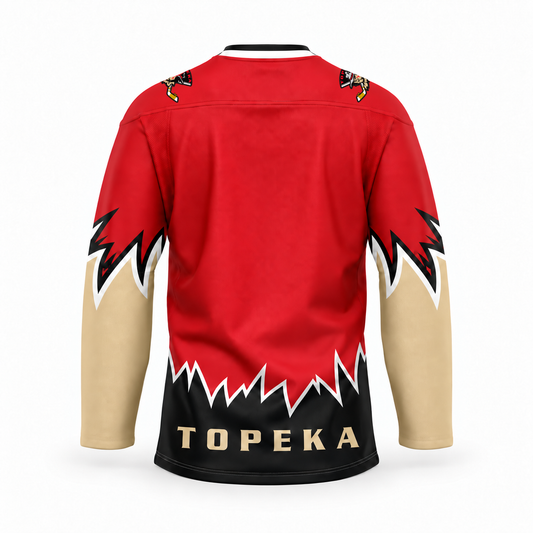
Topeka Scarecrows Graphic Replica Jersey
Regular price $107.00 CADRegular priceUnit price per -
-
LIMITED EDITION
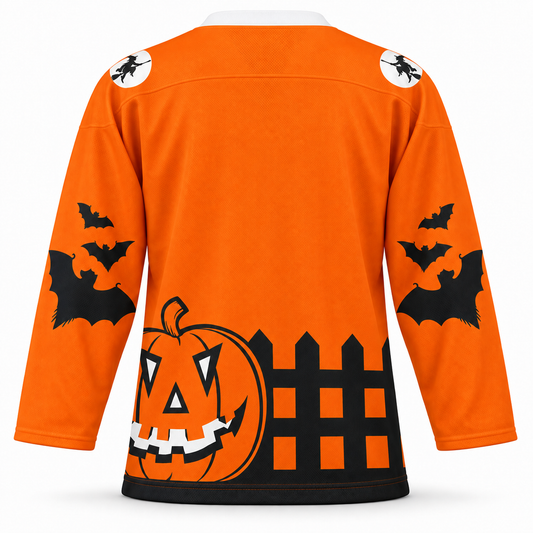
San Antonio Iguanas Halloween Replica Jersey
Regular price $107.00 CADRegular priceUnit price per -
-
CUSTOM
Salt Lake Golden Eagles 1970's Jersey
Regular price Starting at From $128.00 CADRegular priceUnit price per -
-
Salt Lake Golden Eagles Hockey Club T-Shirt
Regular price $43.00 CADRegular priceUnit price per -
-
NEW
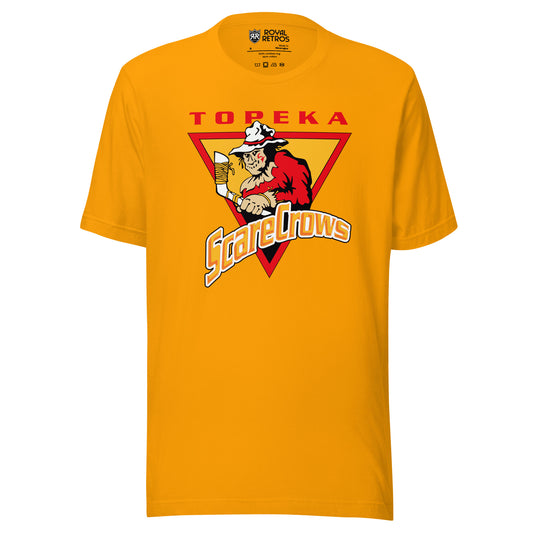
Topeka Scarecrows T-Shirt
Regular price $43.00 CADRegular priceUnit price per -
-
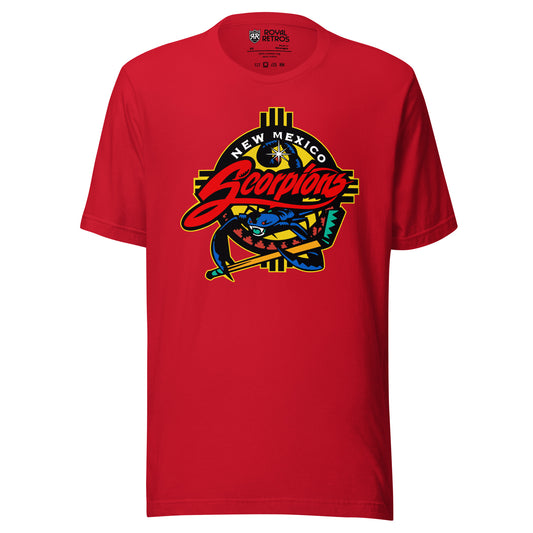
New Mexico Scorpions T-Shirt
Regular price $43.00 CADRegular priceUnit price per -
-
CUSTOM
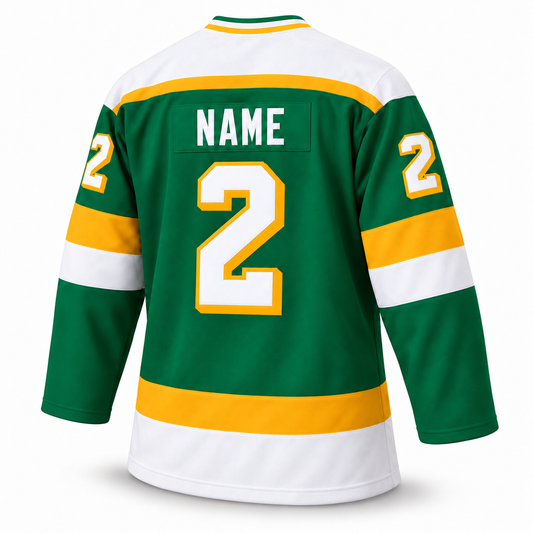
Nashville South Stars Jersey
Regular price Starting at From $128.00 CADRegular priceUnit price per -
-
-
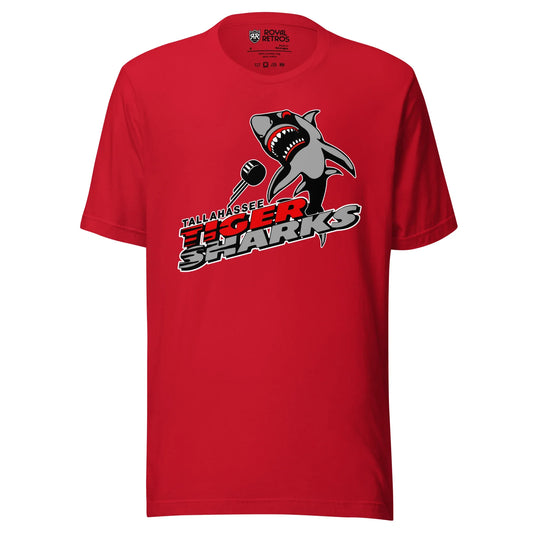
Tallahassee Tiger Sharks T-Shirt
Regular price $42.00 CADRegular priceUnit price per -
-
-
CUSTOM
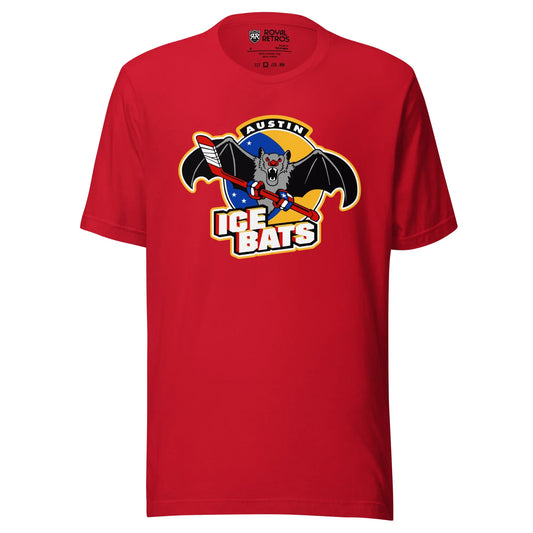
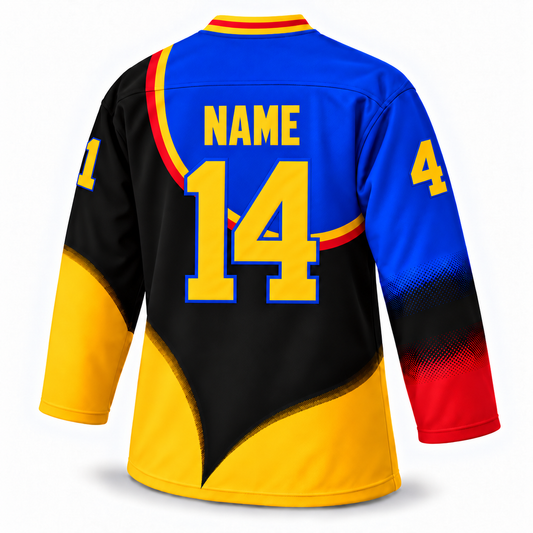
Austin Ice Bats Jersey
Regular price Starting at From $128.00 CADRegular priceUnit price per -
-
CUSTOM
Cincinnati Stingers CHL Jersey
Regular price Starting at From $128.00 CADRegular priceUnit price per -
-
CUSTOM
1975 Omaha Knights Jersey
Regular price Starting at From $128.00 CADRegular priceUnit price per -
-
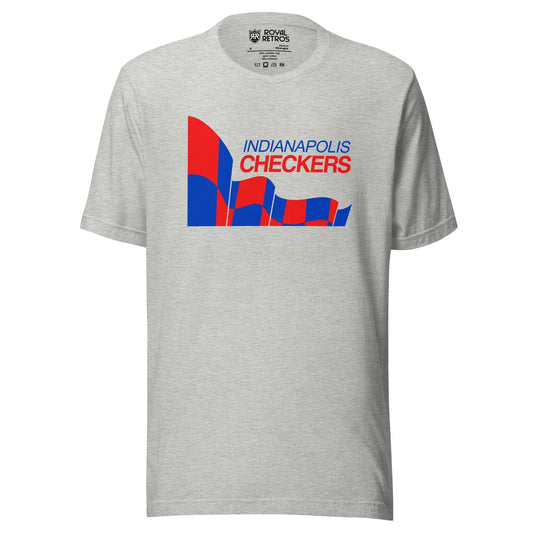
Indianapolis Checkers T-Shirt
Regular price $43.00 CADRegular priceUnit price per -
-
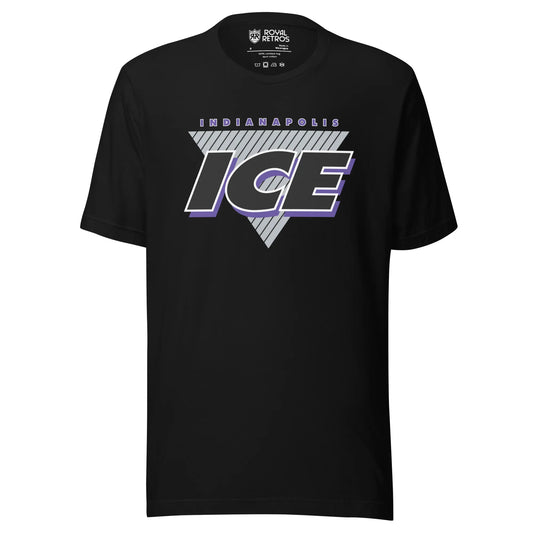
Indianapolis Ice T-Shirt
Regular price $43.00 CADRegular priceUnit price per -
-
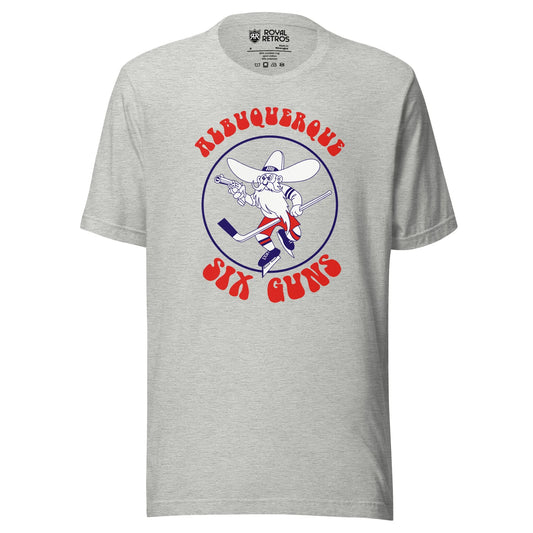
Albuquerque Six-Guns T-Shirt
Regular price $43.00 CADRegular priceUnit price per -
-
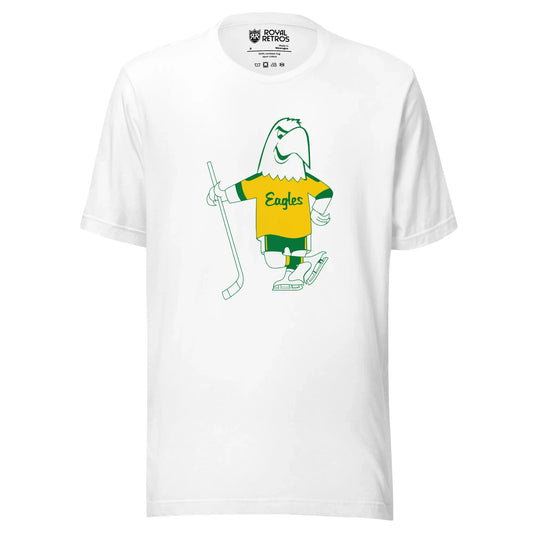
Salt Lake Golden Eagles T-Shirt
Regular price $43.00 CADRegular priceUnit price per -
-
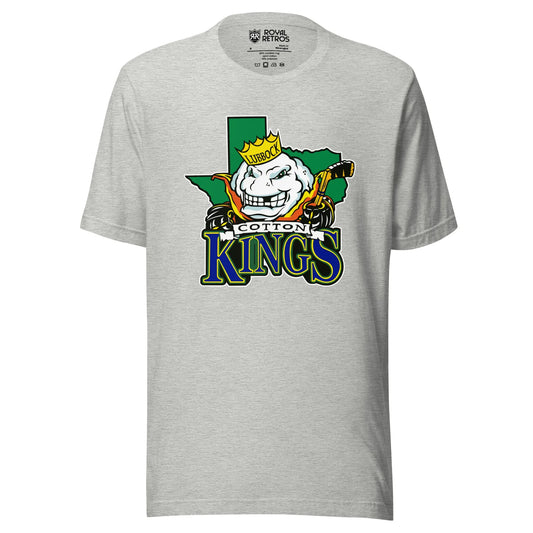
Lubbock Cotton Kings T-Shirt
Regular price $43.00 CADRegular priceUnit price per -





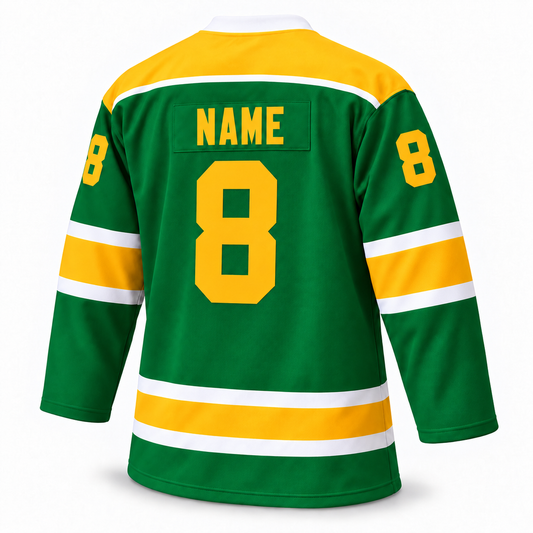


























Recently Viewed
The Central Hockey League Collection — Royal Retros CHL Fan Shop
Authentic CHL Throwbacks. Custom Names & Numbers. Sizes S–5XL. Two Leagues, Fifty Years, Fourteen Forgotten Teams.
Royal Retros carries the deepest Central Hockey League throwback collection on the open web — 23 in-stock products covering 14 CHL franchises across both incarnations of the league, from the NHL-owned original CHL of 1963–1984 to the Texas-and-Oklahoma revival that ran 1992–2014 before folding into the ECHL. Salt Lake Golden Eagles. Austin Ice Bats. Albuquerque Six-Guns. Omaha Knights. Topeka ScareCrows. Topeka Tarantulas. Lubbock Cotton Kings. Indianapolis Checkers. These are teams that no mainstream retailer has ever printed a single shirt for. Custom jerseys run $89.99–$119.99 with free name and number on most styles. T-shirts are $28.99–$29.99. Sizes Small through 5XL across the board, with no big & tall upcharge. If you spent winters in a fairgrounds arena watching a farm club that no longer exists, this is the shop that remembers.
What You Can Shop in the CHL Collection
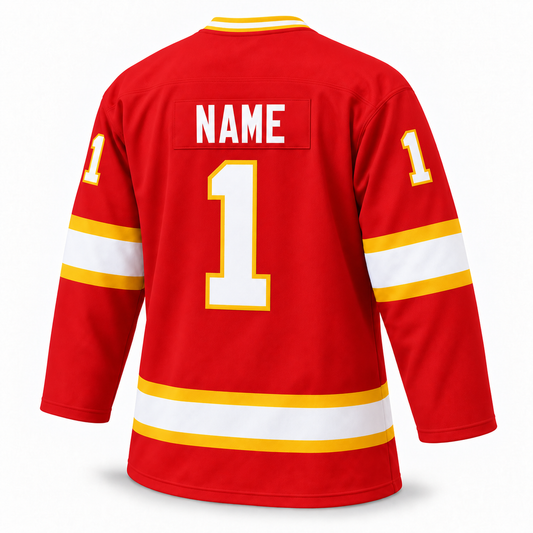
CHL Jerseys — 13 in-stock custom hockey jerseys covering both CHL eras: 1960s and 1970s original-era sweaters for Tulsa, Omaha and Salt Lake City, and 1990s and 2000s revival-era sweaters for Austin, Lubbock and Topeka. Twill construction, period-correct sleeve striping, color-matched crests. Free custom name and number on most styles. $89.99–$119.99 depending on build. Browse the wider custom hockey jersey range if you want to cross-shop other leagues.
CHL T-Shirts — 9 premium pre-shrunk soft-blend tees at $28.99–$29.99, covering franchises that have effectively never been merchandised: Albuquerque Six-Guns, Indianapolis Checkers, Indianapolis Ice, Lubbock Cotton Kings, Tallahassee Tiger Sharks, Salt Lake Golden Eagles, Austin Ice Bats and Cincinnati. Sized S–5XL. More at our full hockey T-shirt collection.
CHL Hats — an unstructured Cincinnati dad hat at $29.99, built on a soft low-profile crown with a curved brim. Cross-shop the broader unstructured hat range for other minor-league headwear.
Customization — most CHL jerseys offer free name and number personalization. Pick a franchise legend's number, pick your own, or pick the number you wore in beer league. Custom items are made to order and are final sale.
Sizes — Small through 5XL on virtually every product. We do not upcharge for big & tall sizes.
Shop by Marquee CHL Team
Salt Lake Golden Eagles — the deepest team block in the collection at four products: a 1970s jersey, a 1990s jersey, and two Hockey Club tees. The Golden Eagles are the collection's spine because they are the one franchise that spans everything — Western Hockey League from 1969, absorbed into the CHL in 1974, three Adams Cups, then straight into the International Hockey League when the CHL folded in 1984. Cross-shop Utah and the Western Hockey League.
Cincinnati Stingers — three products including the genuine CHL-era jersey from the Stingers' single 1979–80 season in the league. Shop the full Cincinnati Stingers collection, or go wider with Cincinnati and Ohio.
Phoenix Roadrunners — two in-stock jerseys covering the Roadrunners' Western Hockey League and World Hockey Association years. The name also had a brief, chaotic CHL life in 1977–78. Shop the Phoenix Roadrunners collection and Arizona.
Austin Ice Bats — jersey and tee. One of the great minor-league identities of the 1990s, named for the Mexican free-tailed bat colony under the Congress Avenue Bridge, and a two-time CHL finalist. Cross-shop Texas.
Albuquerque Six-Guns — jersey and tee for a team that existed for exactly one season. Shop the Albuquerque Six-Guns collection. There is no deeper cut in minor-pro hockey.
Lubbock Cotton Kings — jersey and tee. West Texas hockey, first in the Western Professional Hockey League and then in the CHL after the 2001 merger.
Tulsa CHL — the 1967-era jersey honoring the club that won three Adams Cups, including the most improbable championship in minor-league hockey history in 1984. Also cross-shop Minor League Hockey HQ.
Birmingham WHA — the jersey for the roughest team the CHL ever hosted. Shop the Birmingham collection and Alabama.
Plus deeper cuts: Omaha Knights (1975 jersey), Topeka ScareCrows, Topeka Tarantulas, Indianapolis Checkers, Indianapolis Ice, and Tallahassee Tiger Sharks. Every one of them is a franchise you cannot buy anywhere else.
Why Royal Retros Is the Home of CHL Throwback Gear
- Rare-team coverage is the entire pitch. Albuquerque Six-Guns. Topeka Tarantulas. Lubbock Cotton Kings. Indianapolis Checkers. These franchises averaged one to five seasons of existence and have effectively zero merchandise footprint. We built art for them anyway.
- Both CHL eras, treated as separate leagues. The 1963–1984 CHL and the 1992–2014 CHL share a name and almost nothing else — different owners, different trophies, different cities, different level of play. Most sellers blur them. We do not.
- 14 franchises, 23 in-stock products. More CHL-specific coverage than any other vintage retailer on the open web.
- Free customization on most jerseys. Add your name and number at no extra cost on eligible items.
- Sizes Small through 5XL. No big & tall upcharge on any product in the collection.
- Honest era labeling. When a product is a Western Hockey League design or an International Hockey League design rather than a CHL design, we say so on this page. You should know what decade you are buying.
- Deep minor-pro cross-shopping. Pair a CHL piece with the World Hockey Association, the International Hockey League, the Western Hockey League, the WPHL or Legacy Hockey in a single order.
Quick Buying Questions
What sizes do CHL jerseys come in?
Small through 5XL on virtually every jersey style. The hat is a one-size unstructured build with an adjustable closure. We do not upcharge for big & tall sizes.
Can I customize a CHL jersey?
Yes — most styles offer free custom name and number. Look for the "Custom" option on the product listing. Custom items are made to order and are final sale.
What do CHL products cost?
Jerseys run $89.99–$119.99 depending on construction. T-shirts are $28.99–$29.99. The unstructured hat is $29.99.
How fast does it ship and what is the return policy?
Standard products ship within 3–5 business days. Custom items with a personalized name or number are made to order and ship within 7–10 business days. Custom items are final sale. Standard items follow our return policy at /pages/returns.
The Two Central Hockey Leagues — A Necessary Distinction
There have been two entirely separate professional leagues called the Central Hockey League, and confusing them is the single most common mistake in minor-league hockey history.
The first was the Central Professional Hockey League, founded in 1963 and renamed the Central Hockey League in 1968. It was owned and operated by the National Hockey League itself. Its member clubs were farm teams — every one of the five founding franchises was a direct NHL affiliate, and the league existed for one purpose, which was to season prospects for the parent clubs. Its championship was the Adams Cup. It folded in 1984.
The second was the Central Hockey League revived in 1992 by Ray Miron and Bill Levins, two men with roots in the original league. It was an independent, centrally-owned mid-level minor league concentrated in Texas, Oklahoma and the surrounding states. Its championship was the Levins Cup, later renamed the Ray Miron President's Cup. It absorbed three other leagues over 22 seasons and was itself absorbed by the ECHL in October 2014.
The revival deliberately reused old CHL city-and-team names — Tulsa Oilers, Oklahoma City Blazers, Dallas — as tribute. But the two leagues had no corporate continuity, no shared trophy, and no shared ownership. Treat them as two different leagues that happen to share a name, because that is what they were.
The Original CHL, 1963–1984 — The NHL's Own Farm League
Why it was created. The Eastern Professional Hockey League folded after the 1962–63 season, leaving the NHL's six clubs without a coordinated development circuit. The NHL's answer was to build one itself. The Central Professional Hockey League launched for 1963–64 with five teams, four of which were relocated EPHL franchises and one of which came over from the International Hockey League. This was not a league that happened to have NHL affiliates. This was a league the NHL owned outright.
The founding five. The Indianapolis Capitals (Detroit Red Wings), Minneapolis Bruins (Boston Bruins), Omaha Knights (Montreal Canadiens), St. Louis Braves (Chicago Black Hawks) and St. Paul Rangers (New York Rangers). The Toronto Maple Leafs were the only NHL club without a CPHL affiliate that first year; Toronto joined in year two through the Tulsa Oilers, a franchise Maple Leaf Gardens Limited owned directly.
Jack Adams and the name change. The founding president was Jack Adams, the Detroit Red Wings legend, who served until his death in 1968. The league's championship trophy was named the Adams Cup in his honor. After Adams died, Emory Jones served as interim president before lawyer Joe Kane took the job in August 1968. Kane's most lasting act was announcing on September 26, 1968 that the league was dropping "Professional" from its name. From that day forward it was simply the Central Hockey League. Kane retired the following June, Jones returned until 1974, and Max McNab took over until leaving to become general manager of the Washington Capitals. Ray Miron — the man who would revive the league seventeen years later — was hired as president in August 1976 and resigned less than three weeks in to take the Colorado Rockies general manager job. Bud Poile took over that same month and held the presidency until the league folded in 1984.
The 1974 Western Hockey League absorption. When the old Western Hockey League collapsed in 1974, the CHL absorbed three of its clubs: the Denver Spurs, the Seattle Totems and the Salt Lake Golden Eagles. Denver and Seattle were admitted specifically as a stepping stone toward eventual NHL expansion into those markets. The NHL never followed through, and both teams folded after a single CHL season in 1975. Salt Lake City stayed to the very end — and became one of the league's three most decorated franchises.
The 1979 WHA orphans. When the NHL absorbed four World Hockey Association clubs in 1979 — Edmonton, Quebec, Winnipeg and Hartford — two WHA survivors were left behind. The Cincinnati Stingers and the Birmingham Bulls, both viable major-league operations weeks earlier, were dumped into the CHL for 1979–80. Neither lasted two full seasons. It was a hard demotion and both franchises knew it.
The 1980 Olympic team played in this league. During the 1979–80 season the United States Olympic team played games against every single CHL club, and those games counted in the league standings. That is the team that went to Lake Placid and won the gold medal. In 1983–84 both the American and Canadian Olympic teams played CHL games. For one strange stretch, the most famous amateur hockey team in American history was a scheduled opponent in a minor pro league playing out of fairgrounds arenas in Tulsa and Fort Worth.
How it ended. The Texas core collapsed first. The Dallas Black Hawks, the Fort Worth Texans and the Oklahoma City Stars all folded together after the 1981–82 season, gutting the league's geographic middle in a single summer. By 1983–84 the CHL was down to a handful of clubs and NHL parent organizations were shifting their prospects toward the American Hockey League. The last CHL game ever played was the Adams Cup clincher on April 27, 1984. The league folded the following month, 21 seasons after it began.
The Adams Cup — 21 Champions in 21 Years
The Adams Cup went to the winner of the CHL playoffs every season from 1964 through 1984. Named for Jack Adams, it is one of the most under-collected trophies in hockey, largely because so few of its winners survived their own league.
The full roll: 1964 Omaha, 1965 St. Paul, 1966 Oklahoma City, 1967 Oklahoma City, 1968 Tulsa, 1969 Dallas, 1970 Omaha, 1971 Omaha, 1972 Dallas, 1973 Omaha, 1974 Dallas, 1975 Salt Lake, 1976 Tulsa, 1977 Kansas City, 1978 Fort Worth, 1979 Dallas, 1980 Salt Lake, 1981 Salt Lake, 1982 Indianapolis, 1983 Indianapolis, 1984 Tulsa.
Dallas won four, the most of any franchise. Omaha, Salt Lake City and Tulsa won three apiece. Oklahoma City and Indianapolis won two each, both back-to-back. We stock jerseys or tees for Tulsa, Omaha, Salt Lake City and Indianapolis — four of the six multiple-Cup franchises in league history. Cross-shop Kansas City and Colorado for other original-CHL markets.
The league's supporting trophy list is a small museum of hockey names: the Tommy Ivan Trophy for most valuable player, the Phil Esposito Trophy for the regular-season scoring leader, the Bobby Orr Trophy for the top defenseman, the Terry Sawchuk Trophy for the goaltenders on the stingiest defensive team, the Ken McKenzie Trophy for rookie of the year, the Max McNab Trophy for playoff MVP, and the Jake Milford Trophy for coach of the year.
The Original-Era Teams We Carry
Tulsa Oilers (CHL 1964–1984). The only club to play every season of the original CHL from its second year to its last, and the owner of the greatest closing story in minor-league hockey. Tulsa joined in 1964–65 as the Toronto Maple Leafs' farm club, owned outright by Maple Leaf Gardens Limited, and won its first Adams Cup in 1968. A second followed in 1976. Then came 1983–84. On February 16, 1984 the team's owners went into receivership and the club effectively ceased to have a home. Rather than let the schedule collapse, the league itself took over — paying the players' salaries and the team's expenses — and the Oilers played every remaining regular-season game and every single playoff game on the road. They won the Adams Cup anyway, in the last game the Central Hockey League ever played, on April 27, 1984. Two members of that homeless championship roster were goaltender John Vanbiesbrouck, who would win the Vezina Trophy with the New York Rangers the very next season, and George McPhee, later the general manager in Washington and the architect of the Vegas Golden Knights. Rick Bowness, who went on to coach eight different NHL teams, played parts of four seasons in Tulsa including the 1976 championship year. Don Cherry spent a season there in 1965–66. Hall of Famer Marcel Pronovost played two Tulsa seasons in 1969–71, after his twenty-year NHL career. Five members of the 1980 gold-medal Olympic team — Dave Silk, Bill Baker, Steve Janaszak, Rob McClanahan and Bob Suter — passed through Tulsa in the late 1970s and early 1980s. Locals called the club the "Ice Oilers" to keep it separate from the Tulsa Oilers baseball team.
Omaha Knights (CHL 1963–1965 and 1966–1975). Two distinct franchises wore the Knights name in the CHL. The first was a founding club, the Montreal Canadiens' affiliate, and it won the very first Adams Cup in 1964 before relocating to Houston in 1965 and becoming the Houston Apollos. The second, and by far the more successful, arrived in 1966. That franchise had started life in 1963 as the St. Paul Rangers, played three seasons in Minnesota, and moved to Omaha when the NHL announced it was placing an expansion team in the Twin Cities. It took the Knights name to honor the Omaha clubs that had come before it — the fourth team in the city's history to use it. It was the New York Rangers' affiliate from 1966 to 1972, then Atlanta's, and it won three Adams Cups in four years: 1970, 1971 and 1973. Both Knights franchises played at Ak-Sar-Ben Coliseum, a roughly 6,000-seat barn opened in 1929 and demolished in 2004. "Ak-Sar-Ben" is Nebraska spelled backward. The second Knights franchise folded in 1975; its last game was a 4–3 loss to the Salt Lake Golden Eagles on April 19, 1975. Our 1975 Omaha Knights jersey is drawn from that final season.
Salt Lake Golden Eagles (CHL 1974–1984). Utah's great hockey franchise and, across three leagues, one of the most durable minor-pro operations in the West. The Golden Eagles began in the Western Hockey League in 1969, came to the CHL in 1974 when the WHL folded, and stayed through the CHL's final season. They won three Adams Cups — 1975, 1980 and 1981 — and their 1979–80 team was the most dominant club the league ever produced, finishing 49-24-7 for 105 points, eighteen clear of second-place Indianapolis. Coach Jack Evans ran the 1975 champions, left, returned in 1978, and won back-to-back Cups in 1980 and 1981. The parent clubs rotated constantly — the Los Angeles Kings, then the California Golden Seals, then the Cleveland Barons, then a long and stable stretch with the St. Louis Blues from 1977 to 1983, then the Minnesota North Stars. Joe Mullen and Charlie Simmer are among the NHL players who came through Salt Lake City in the CHL years. Home was the Salt Palace, listed at roughly 10,594 for hockey — enormous for this level of the sport. When the CHL folded in 1984 the Golden Eagles simply moved to the International Hockey League and kept going for another decade under owner Larry H. Miller, until the franchise was sold in 1994 and became the Detroit Vipers. Our 1970s jersey is the CHL-era design; our 1990s jersey is the IHL-era design from the franchise's final chapter. Cross-shop Utah.
Indianapolis Checkers (CHL 1979–1984). The best-run club of the CHL's final act, and the clearest proof that a stacked NHL parent makes a minor-league dynasty. The Checkers were founded in 1979 to fill the hole left in Indianapolis by the departed WHA Racers, and they became the top farm club of the New York Islanders during the exact years the Islanders were winning four consecutive Stanley Cups. The talent flowed downhill accordingly. Under head coach Fred Creighton, hired in 1981, Indianapolis won back-to-back Adams Cups in 1982 and 1983 and reached the final again in 1984, losing to homeless Tulsa in the last series the league ever staged. Goaltender Kelly Hrudey — later a long-time NHL starter with the Islanders, Kings and Sharks — went 27-19-4 with a 2.95 goals-against average in 51 games for the 1981–82 champions. The Checkers played at Market Square Arena and the Indiana State Fairgrounds Coliseum, moved to the IHL when the CHL folded, and relocated to Denver as the Denver Rangers after 1986–87. Cross-shop Indiana.
Cincinnati Stingers (CHL 1979–1980). Thirty-three games, and then nothing. The Stingers were one of the WHA's genuine successes — a 1975 expansion club that outlasted every other WHA expansion team and was one of only two survivors left out of the 1979 NHL absorption. Both leftovers were dropped into the CHL. Cincinnati went 11-21-1 for 23 points, scoring 108 and allowing 151 across 591 penalty minutes, and disbanded partway through the schedule. Only three players from the 1978–79 WHA roster made the trip down: Dave Debol, Byron Shutt and Paul Stewart, the last of whom went on to a long career as an NHL referee. The WHA Stingers, by contrast, were the first professional team of Mike Gartner and Mike Liut and the second professional team of Mark Messier, who scored a single goal for them on a line with Robbie Ftorek. Rick Dudley is the franchise's all-time leader in both goals and points. The Stingers entered the WHA in October 1975, days after the Reds won the World Series, and spent four seasons competing with the Big Red Machine for the city's attention. Cincinnati remains the only Ohio city ever to host major-league hockey, and Ohio had none again until the Blue Jackets arrived in 2000. Shop the Cincinnati Stingers collection, Cincinnati and Ohio.
Birmingham Bulls (CHL 1979–1981). The other WHA orphan, and the most violent team the CHL ever hosted. The franchise had started as the Ottawa Nationals, become the Toronto Toros, and landed in Birmingham in 1976. Under Glen Sonmor in 1977–78 the Bulls were the most penalized team in the WHA and were nicknamed the "Birmingham Bullies" — they broke the penalty-minute record set by the Broad Street Bullies themselves. Their debut in that style was a Thanksgiving Day home game against Cincinnati that had ten players in the box inside the first minute and finished 12–2 for Birmingham; the papers called it the Thanksgiving Day Massacre. The 1978–79 "Baby Bulls" roster, assembled by owner John F. Bassett out of teenagers the NHL would not yet sign, produced Rick Vaive, Michel Goulet, Rob Ramage, Pat Riggin, Craig Hartsburg, Gaston Gingras and Rod Langway. Four of them went in the first round of the 1979 NHL entry draft and Ramage went first overall. Bassett also tried very hard to sign Wayne Gretzky and failed. In the CHL the Bulls kept the identity: 1,595 penalty minutes in 1979–80 and 1,593 more in just 58 games in 1980–81 before the club disbanded. Head coach John Brophy carried over from the WHA team and later coached the Toronto Maple Leafs. Paul Henderson, of 1972 Summit Series fame, played out his late thirties on those CHL rosters, alongside Dave Hanson — one of the Hanson Brothers from Slap Shot, which is exactly the right detail for this team. Shop Birmingham and Alabama.
Phoenix Roadrunners (CHL 1977–1978). Founded in 1977 to succeed the WHA Roadrunners, who had folded after 1976–77, the CHL version lasted about two months. The club went 4-20-3 in 27 games at the Arizona Veterans Memorial Coliseum and folded on December 12, 1977 — along with Cincinnati, one of the two fastest failures in league history. The Roadrunners name itself had a much longer life: seven seasons in the Western Hockey League from 1967, three in the WHA, and later runs in the IHL and ECHL. Our two in-stock Roadrunners jerseys are the WHL and WHA-era designs. Shop the Phoenix Roadrunners collection and Arizona.
Albuquerque Six-Guns (CHL 1973–1974). The single deepest cut in this entire collection, and a franchise whose whole tragedy fits in one sentence: the Six-Guns were set up as the farm club of the Kansas City Scouts, but the Scouts did not actually enter the NHL until the following season. That left Albuquerque with a working arena, a coach in John Choyce, a genuinely excellent Wild West identity, and no parent organization to send it players. The club scrounged bodies from other NHL teams all year, finished sixth, missed the playoffs, and never played a second season. Home was Tingley Coliseum. Shop the Albuquerque Six-Guns collection.
The Revival CHL, 1992–2014 — Ray Miron's Second League
Who built it. The revived Central Hockey League was founded in 1992 by Ray Miron and Bill Levins, both of them products of the original league. Miron had been general manager of the NHL's Colorado Rockies and, briefly and famously, president of the original CHL for about three weeks in 1976. Levins had been the first general manager of the original Oklahoma City Blazers. Levins died in August 1991, a year before the new league dropped its first puck; the championship trophy was created as a memorial to him. Miron was 69 years old when the league launched and lived until 2015; he won the Lester Patrick Trophy in 2004 and called it his greatest accomplishment in hockey.
The model. The revival ran on central ownership — the league owned the teams, rather than the other way around — which kept costs down and kept franchises alive in markets that could never have supported independent operators. Monte Miron, Ray's son, served as commissioner from 1992 to 1997. Ray Miron retired and sold the league in 2000 to Global Entertainment Corporation, which ran it until October 2013, when the individual franchise owners bought it back and put the CHL's structure in line with the NHL and AHL.
The original six. The 1992–93 season had six clubs: the Oklahoma City Blazers, the Tulsa Oilers, the Wichita Thunder, the Memphis RiverKings, the Dallas Freeze and the Fort Worth Fire. The names were chosen partly as tribute — Oklahoma City revived both the Blazers name and the same building, and Tulsa revived the Oilers.
The trophy. The playoff championship was the William "Bill" Levins Memorial Cup from the first title in 1993 through 2000. After Miron's retirement it was renamed the Ray Miron Cup for a single season, then the Ray Miron President's Cup from the 2001 WPHL merger through the league's final championship in 2014. Fourteen different franchises won it. Only three ever went back-to-back: Wichita in 1994 and 1995, Memphis in 2002 and 2003, and Allen in 2013 and 2014. Ron Handy of Wichita is the only two-time playoff MVP in league history.
The 2001 WPHL merger. Through the late 1990s the CHL fought a costly war for players and markets with the Western Professional Hockey League, a Texas-and-Louisiana circuit founded in 1996 that peaked at eighteen teams. The two leagues merged after the 2000–01 season, with ten former WPHL clubs joining the CHL for 2001–02 and taking the league from twelve teams to sixteen: the Amarillo Rattlers, Austin Ice Bats, Bossier-Shreveport Mudbugs, Corpus Christi IceRays, El Paso Buzzards, Fort Worth Brahmas, Lubbock Cotton Kings, New Mexico Scorpions, Odessa Jackalopes and San Angelo Outlaws. The Lake Charles Ice Pirates and Monroe Moccasins folded in the process and the Tupelo T-Rex declined and went junior. WPHL co-founder Brad Treliving became CHL commissioner after the merger before leaving for the Phoenix Coyotes in 2007. The former WPHL markets contracted steadily thereafter; the last surviving ex-WPHL club, the Fort Worth Brahmas, ceased operations after 2012–13.
The 2010 IHL absorption. On July 13, 2010 the CHL absorbed five clubs from the second International Hockey League — a Midwest circuit that had been the Colonial Hockey League, then the United Hockey League, before taking the IHL name in 2007. The Bloomington PrairieThunder, Dayton Gems, Evansville IceMen, Fort Wayne Komets and Quad City Mallards came over, pushing the CHL to seventeen teams. The two IHL clubs that did not make the jump simply folded.
How it ended. The 2014 offseason took the league apart in five months. The St. Charles Chill ceased operations on May 2, 2014. The Arizona Sundogs and the Denver Cutthroats both suspended operations on August 20. That left seven clubs, and on October 7, 2014 the ECHL announced it had accepted all seven as members for 2014–15. The Central Hockey League ended after 22 seasons. Of the original 1992 six, only Tulsa, Wichita and the RiverKings were still playing at the end, and only Tulsa and Wichita made it into the ECHL.
The Revival-Era Teams We Carry
Tulsa (CHL 1992–2014). One of only two clubs to play all 22 seasons of the revival — and the league's first champion. The 1992–93 Oilers were assembled by owner and general manager Jeff Lund, coached by former NHL ironman Garry Unger, and anchored by high-scoring forward Sylvain Naud and veteran goaltender Tony Martino. They won the inaugural Levins Cup 4–1 over Oklahoma City, clinching it on Oklahoma City's own ice. Tulsa lost the 1994 final and, remarkably, did not win another playoff series for the rest of the league's existence. The club played at the Tulsa Convention Center until the BOK Center opened in 2008, landed its first NHL affiliation since 1992 with the Colorado Avalanche in September 2010, was sold in June 2013, and joined the ECHL with the other survivors in October 2014. The Tulsa hockey name runs deeper than either CHL — Oilers teams played in the American Hockey Association from 1928, the United States Hockey League from 1945, and the original CHL from 1964. A nice piece of symmetry: Ray Miron himself coached the original-CHL Oilers, and his son Monte played for Tulsa in 1973–74.
Austin Ice Bats (WPHL 1996–2001, CHL 2001–2008). The best team identity the revival ever produced, and a genuinely beloved one. The Ice Bats were named for the Mexican free-tailed bat colony that roosts under Austin's Congress Avenue Bridge, and they played at Luedecke Arena in the Travis County Exposition Center — a multipurpose building with ice dropped into it that everyone in town called the Bat Cave. They came over in the 2001 WPHL merger and immediately became a power, winning their division in both 2001–02 and 2002–03 and reaching the CHL final both years, losing 4–1 to the Memphis RiverKings each time. Former NHL forward Brent Hughes coached the club from 1999 to 2003 and again in its final season. The end came from the building: in February 2006 the Ice Bats moved out of the Expo Center over scheduling conflicts and into Chaparral Ice, a rink that seated roughly 500. Attendance could not survive that, the incoming AHL Texas Stars loomed, and the franchise suspended operations on May 7, 2008. A relocation to Beaumont was attempted and failed. The name was revived in 2021 by a junior club. Cross-shop Texas.
Lubbock Cotton Kings (WPHL 1999–2001, CHL 2001–2007). West Texas hockey with one of the great regionally-specific team names in the sport. The Cotton Kings played their first game in October 1999 and went 42-24-4 in their inaugural WPHL season, reaching the WPHL championship series in 2000–01 before losing to Bossier-Shreveport. They came into the CHL with the merger and made the playoffs only once in six seasons. Home was the Lubbock Municipal Coliseum, later City Bank Coliseum, and it was the building that killed them: the club could not reach a lease agreement with the City of Lubbock, and the CHL suspended operations on June 20, 2007. Attempts to return to Lubbock or relocate to San Angelo never happened and the franchise was never re-established. Cross-shop the WPHL collection, where the Cotton Kings tee also lives.
Topeka ScareCrows (CHL 1998–2001). Kansas hockey with a genuinely strange ending. The ScareCrows launched in October 1998 with a sellout at Landon Arena and averaged 4,793 fans in their first season and 4,991 in their second — third in the entire league. Brett Seguin was the first ScareCrow named to a CHL All-Star Game and scored the franchise's first hat trick; Rod Branch recorded its first shutout and later won the 2001 playoff MVP award with Oklahoma City. Then, on February 20, 2001, the league's board terminated the franchise for breaching its financial obligations. The team went to court, obtained a temporary restraining order from Shawnee County District Court, and a federal judge denied the CHL's request to lift it. So the ScareCrows finished the season anyway — made the playoffs, lost a best-of-five to San Antonio, and played their last game on April 10, 2001 in front of 2,121 people. A junior club of the same name replaced them the following season. The team's mascot was a scarecrow named Haywire.
Topeka Tarantulas (CHL 2004–2005). One season. Sixteen wins. The Tarantulas were the relocated Indianapolis Ice franchise, dropped into Landon Arena three years after the ScareCrows left, and they folded after a single 2004–05 campaign. That gave Topeka the rare distinction of burning through three differently-named hockey franchises in seven years, and the city had no hockey at any level until a junior team arrived in 2007. If you want the single most obscure jersey Royal Retros makes, this is a strong candidate.
Indianapolis Ice (IHL 1988–1999, CHL 1999–2004). A real minor-league institution that spent its first eleven seasons in the International Hockey League, won the Turner Cup in 1990, and then moved down to the CHL in 1999. The move worked immediately: the Ice won the CHL championship in their very first season, taking a seven-game final over the Columbus Cottonmouths in 1999–2000 behind playoff MVP Jamie Morris. They went 39-16-9 to top the Northeast Division in 2002–03 and reached the conference final. The franchise played at the Indiana State Fairgrounds Coliseum, later Market Square Arena, and some games at Conseco Fieldhouse. Its most famous alumnus arrived in the IHL years: Dominik Hašek tended goal in Indianapolis in 1990–91. The pro franchise moved to Topeka after 2003–04 and became the Tarantulas, and a junior club took over the city. Cross-shop Indiana.
Tallahassee Tiger Sharks. An honest note on this one. The Tiger Sharks themselves played in the ECHL from 1994 to 2001, not in the CHL. But the franchise they inherited started life in 1981 as the Nashville South Stars of the original Central Hockey League, moved mid-season in 1983 to become the Virginia Lancers, was a founding ECHL member in 1988, spent a season as the Huntsville Blast, and landed in Tallahassee in 1994. So the Tiger Sharks are a CHL franchise by lineage rather than by membership, which is exactly the kind of thread this collection exists to pull. The team played at the Tallahassee-Leon County Civic Center, made the ECHL playoffs in each of its first three seasons, and had a six-foot skating shark mascot named Frenzy who was, by all accounts, the most popular figure in North Florida hockey. Cross-shop North Florida and Tennessee.
Players and Coaches Who Passed Through the CHL
Both CHL eras were talent conveyor belts, and the original league in particular moved an extraordinary amount of eventual NHL personnel through mid-sized American cities.
The Oklahoma City pipeline. The original Oklahoma City Blazers, a Boston Bruins affiliate from 1965 to 1972, produced the richest alumni list the league ever generated: Bernie Parent, Gerry Cheevers, Doug Favell, Reggie Leach, Rick MacLeish, Wayne Cashman, Ross Lonsberry, Bill Goldsworthy and Jean Pronovost all wore Blazers sweaters. The Blazers' first coach was Harry Sinden, who won the 1966 Adams Cup as a player-coach and four years later coached the Bruins to the 1970 Stanley Cup. Under Toronto's ownership in the mid-1970s the club added Mike Palmateer, Blaine Stoughton and Dave "Tiger" Williams, the all-time NHL penalty-minutes leader.
Goaltenders. John Vanbiesbrouck won the Adams Cup with homeless Tulsa in 1984 and the Vezina Trophy with the Rangers in 1985. Kelly Hrudey backstopped the Indianapolis Checkers to the 1982 title before a long NHL career. Dominik Hašek played in Indianapolis in the franchise's IHL years.
Coaches and executives. Harry Sinden, Jack Evans, Fred Creighton, John Brophy, Rick Bowness, Don Cherry and Garry Unger all worked or played in one CHL or the other. George McPhee went from the 1984 Tulsa roster to building two NHL franchises. Brad Treliving went from co-founding the WPHL to running the CHL to an NHL front-office career.
The 1980 Olympians. Dave Silk, Bill Baker, Steve Janaszak, Rob McClanahan and Bob Suter all spent time in Tulsa. And in 1979–80, the Olympic team itself played counting games against every club in the league on its way to Lake Placid.
The revival era. The second CHL's stars were mostly career minor-leaguers, and that is part of its charm. Ron Handy won two playoff MVP awards and had his number retired in Wichita. Joe Burton and Hardy Sauter finished as two of the league's three all-time leading scorers in Oklahoma City. Doug Sauter coached the Blazers for the better part of fifteen seasons and finished as the league's all-time wins leader. And by 2012 the Allen Americans counted Mike Modano, Craig Ludwig and Ed Belfour among their minority owners — three Stanley Cup names attached to a Central Hockey League franchise.
More Frequently Asked Questions About the Central Hockey League
What was the Central Hockey League?
Two different minor professional ice hockey leagues shared the name. The first, founded in 1963 as the Central Professional Hockey League and renamed the Central Hockey League in 1968, was owned and operated by the NHL as a development circuit and folded in 1984. The second, founded in 1992 by Ray Miron and Bill Levins, was an independent mid-level league based mostly in Texas, Oklahoma and the surrounding states, and it merged into the ECHL in October 2014.
Are the two CHLs the same league?
No. They share a name and a few reused team names, and Ray Miron had a hand in both, but there is no corporate continuity, no shared trophy and no shared ownership. The original CHL's championship was the Adams Cup; the revival's was the Levins Cup and then the Ray Miron President's Cup.
Which teams won the most CHL championships?
In the original league, Dallas won four Adams Cups and Omaha, Salt Lake City and Tulsa won three each. In the revival, six franchises won the title twice and none won three times. Only Wichita, Memphis and Allen ever won back-to-back.
Why did the original CHL fold?
The Texas core collapsed first — Dallas, Fort Worth and the Oklahoma City Stars all folded together after the 1981–82 season. NHL parent clubs were simultaneously shifting their prospect development toward the American Hockey League. By 1984 there were too few viable franchises left, and the league shut down a month after the final Adams Cup was awarded.
Why did the revival CHL fold?
Attrition. The St. Charles Chill ceased operations in May 2014, and the Arizona Sundogs and Denver Cutthroats both suspended operations that August, leaving only seven clubs. On October 7, 2014 the ECHL accepted all seven as members and the CHL ended after 22 seasons.
Did the 1980 Miracle on Ice team really play in the CHL?
Yes. During the 1979–80 season the United States Olympic team played games against every club in the Central Hockey League, and those games counted in the standings. Five members of that gold-medal roster also played for the Tulsa Oilers around that period.
Which CHL teams still exist today?
Several revival-era franchises carried on in the ECHL and elsewhere after 2014, and a few of the CHL's old city identities have been revived by junior and minor-league clubs since. None of the original 1963–1984 CHL franchises survive in their original form — every one of them folded, relocated or changed leagues.
Is this gear connected to any hockey league or team?
No. Royal Retros is an independent throwback and tribute apparel shop. We are not affiliated with, endorsed by, or sponsored by any hockey league, team or organization. These are heritage-inspired designs made for fans of defunct and forgotten franchises, and we carry them because nobody else does.
How many CHL products does Royal Retros carry?
23 in-stock products covering 14 franchises across both CHL eras — jerseys, T-shirts and a hat. That is the deepest CHL-specific coverage available anywhere on the open web.
Can I get a team you do not stock?
The collection grows constantly and rare minor-league requests are how a lot of it got built. If there is a Central Hockey League franchise you want and we do not carry it yet, tell us. Wichita, Oklahoma City, Fort Worth, Laredo, Amarillo, Odessa, Corpus Christi, Rapid City and Colorado all had long CHL runs and all have fans still looking.
What is the difference between a jersey and a tee in this collection?
Jerseys are full hockey sweaters at $89.99–$119.99 with twill crest construction and free custom name and number on most styles. T-shirts are premium pre-shrunk soft-blend tees at $28.99–$29.99 with printed graphics. Both run S–5XL.
Where can I find related Royal Retros hockey collections?
The CHL sits inside a much wider minor-pro catalog: Minor League Hockey HQ, Legacy Hockey, the World Hockey Association, the International Hockey League, the Western Hockey League and the WPHL.
Shop by Team and Related Collections
- Albuquerque Six-Guns — CHL 1973–74. One season, no parent club, and one of the best names in hockey.
- Alabama — multi-sport Alabama throwbacks and streetwear.
- Arizona — Roadrunners and the wider Arizona catalog.
- Birmingham WHA — the Baby Bulls, the Bullies, and the CHL's most penalized franchise.
- California Golden Seals — an NHL parent club of the CHL-era Salt Lake Golden Eagles.
- Cincinnati — Stingers, Tigers and the rest of the city catalog.
- Cincinnati Stingers — WHA 1975–79, CHL 1979–80. Mark Messier's second pro team.
- Colorado — Denver Spurs and other original-CHL Colorado markets.
- Custom Hockey Jerseys — the full 190-plus jersey range across every league we cover.
- Hartford WHA — the WHA club that made the NHL jump the CHL orphans did not.
- Hockey T-Shirts — 145-plus hockey tees across every era we stock.
- Houston Aeros — Houston's WHA power, in the market that took the first Omaha Knights franchise in 1965.
- Indiana — Checkers, Ice, Racers and the rest of Indianapolis hockey.
- International Hockey League — where Salt Lake City and the Checkers went when the CHL folded.
- Kansas City — the 1977 Adams Cup market.
- Legacy Hockey — 70-plus defunct and relocated hockey franchises.
- Minor League Hockey HQ — 155-plus products across every minor-pro circuit we cover.
- North Florida — home of the Tallahassee Tiger Sharks.
- Ohio — Stingers, Tigers, Gems and the wider Ohio hockey catalog.
- Phoenix Roadrunners — WHL, WHA and a two-month CHL cameo in 1977.
- Quebec WHA — one of the four WHA clubs the NHL took in 1979.
- Tennessee — Nashville and Memphis, both CHL markets in different eras.
- Texas — 170-plus products from the state that anchored both Central Hockey Leagues.
- Unstructured Hats — soft-crown dad hats across every league.
- Utah — Salt Lake Golden Eagles and the wider Utah catalog.
- Vancouver Voodoo — another deep-cut defunct hockey identity.
- WHA Jets — Winnipeg's WHA dynasty.
- WHA Racers — the Indianapolis club whose 1978 departure created the Checkers.
- Western Hockey League — the league that fed Salt Lake City, Denver and Seattle into the CHL in 1974.
- Western Professional Hockey League — the WPHL, which merged into the CHL in 2001.
- World Hockey Association — 77-plus products from the league that sent Cincinnati and Birmingham to the CHL.
The Central Hockey League at Royal Retros — Authentic CHL Throwbacks. Custom Names & Numbers. Sizes S–5XL. Two Leagues, Fifty Years, Fourteen Forgotten Teams.