



-
CUSTOM
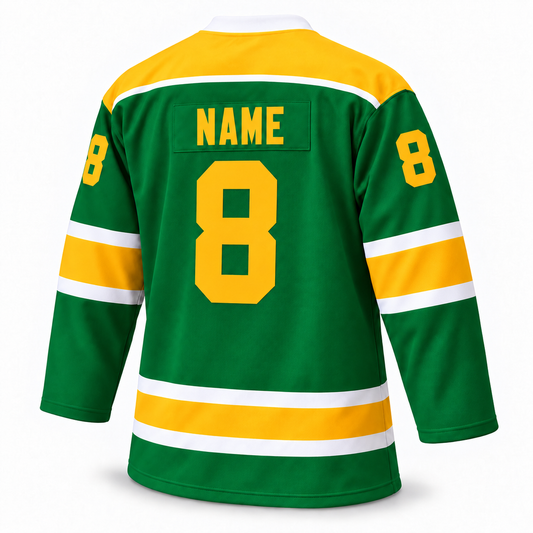
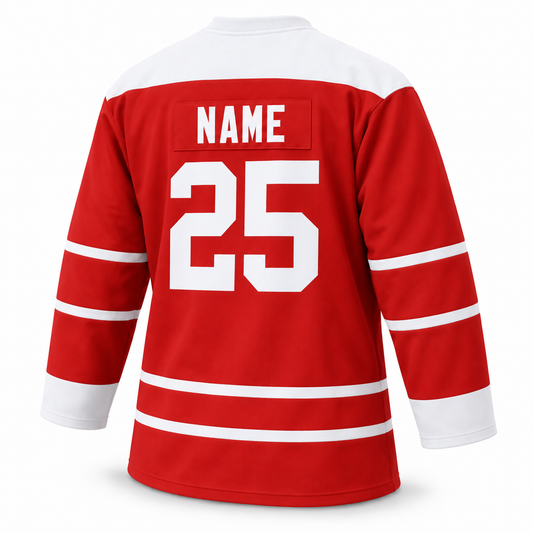
Seattle Totems Jersey
Regular price Starting at From $128.00 CADRegular priceUnit price per -
-
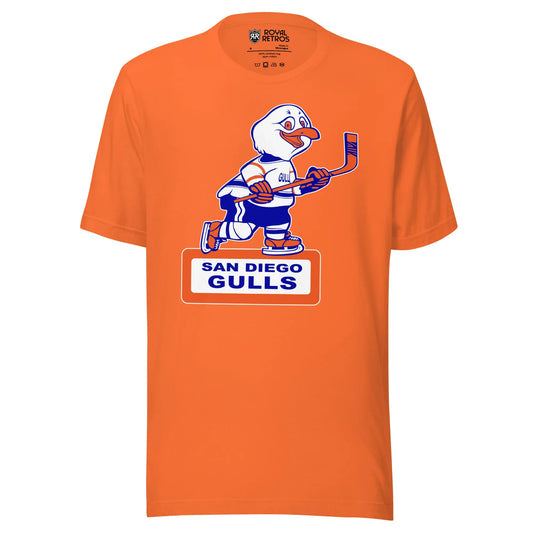
WHL San Diego Gulls T-Shirt
Regular price $43.00 CADRegular priceUnit price per -
-
CUSTOM
Los Angeles Blades Jersey
Regular price Starting at From $128.00 CADRegular priceUnit price per -
-
CUSTOM
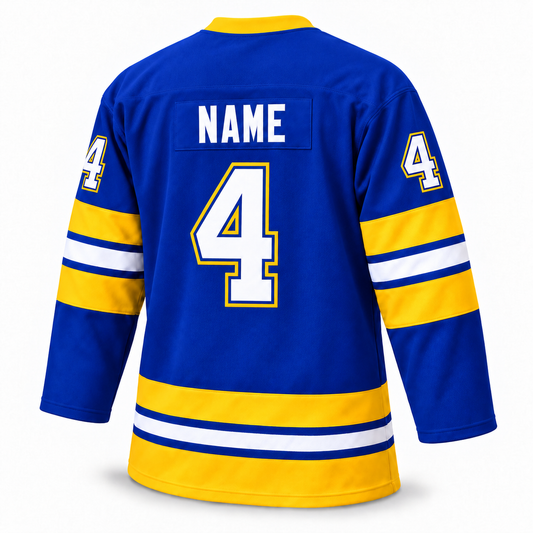
Salt Lake Golden Eagles 1970's Jersey
Regular price Starting at From $128.00 CADRegular priceUnit price per -
-
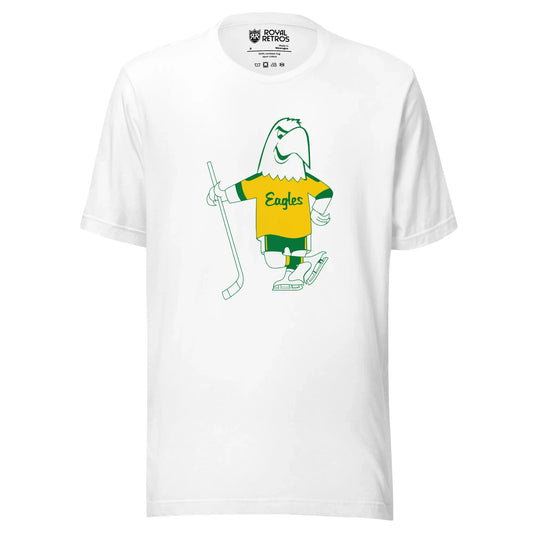
Salt Lake Golden Eagles Hockey Club T-Shirt
Regular price $43.00 CADRegular priceUnit price per -
-
-
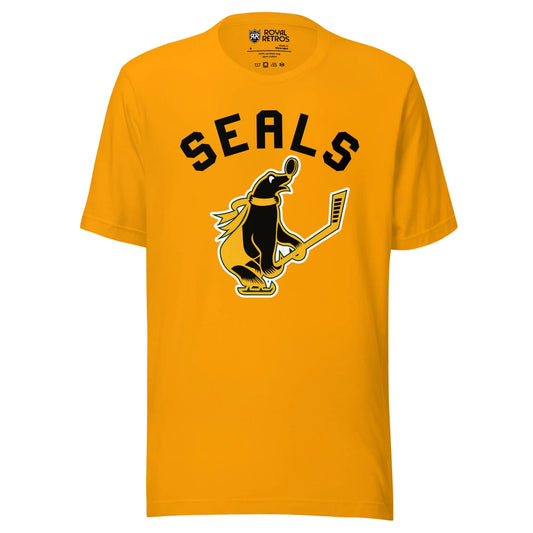
San Francisco Seals Hockey T-Shirt
Regular price $43.00 CADRegular priceUnit price per -
-
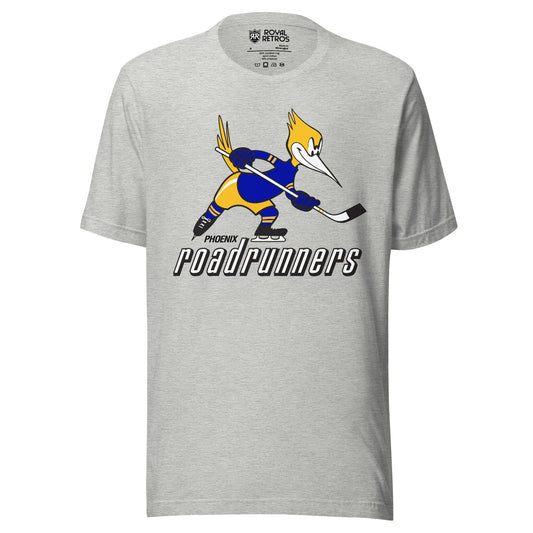
Phoenix Roadrunners T-Shirt
Regular price $43.00 CADRegular priceUnit price per -
-
Winnipeg Warriors T-Shirt
Regular price $43.00 CADRegular priceUnit price per -
-
CUSTOM
Winnipeg Warriors Jersey
Regular price Starting at From $128.00 CADRegular priceUnit price per -
-
CUSTOM
WHL Stampeders Jersey
Regular price Starting at From $128.00 CADRegular priceUnit price per -
-
CUSTOM
WHL Canucks Jersey
Regular price Starting at From $128.00 CADRegular priceUnit price per -
-
San Francisco Seals Hockey Crewneck Sweatshirt
Regular price $79.00 CADRegular priceUnit price per -
-
Salt Lake Golden Eagles T-Shirt
Regular price $43.00 CADRegular priceUnit price per -
-
-
CUSTOM
WHL Phoenix Roadrunners Jersey
Regular price Starting at From $128.00 CADRegular priceUnit price per -
-
CUSTOM
WHL San Diego Gulls Jersey
Regular price Starting at From $128.00 CADRegular priceUnit price per -
-
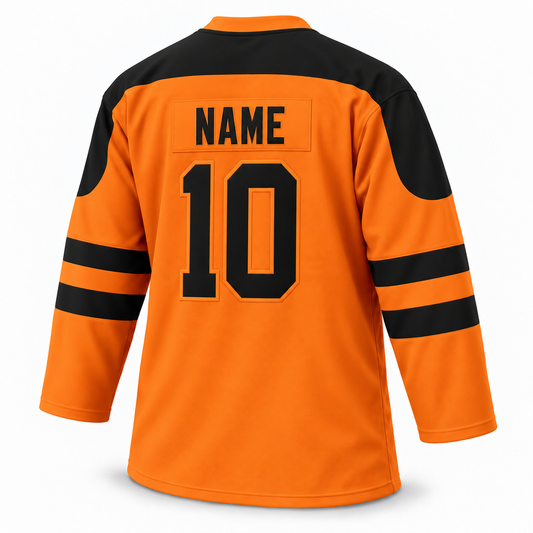
CUSTOM
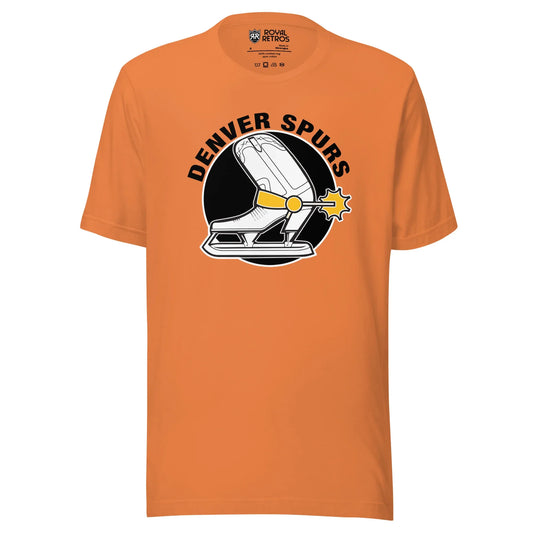
Denver Spurs Jersey
Regular price Starting at From $128.00 CADRegular priceUnit price per -























Recently Viewed
Western Hockey League Throwbacks — Totems, Gulls, Spurs & Seals
Throwback gear for the great western pro hockey teams the NHL left behind. Jerseys, tees and more — custom name and number free, sizes S–5XL with a goalie cut.
Before the NHL reached the west coast, western hockey had a major league of its own. The Western Hockey League Collection at Royal Retros brings back its teams — the Seattle Totems, San Diego Gulls, Denver Spurs, Phoenix Roadrunners and the rest of the clubs that packed arenas from Vancouver to San Diego through the 1950s, '60s and early '70s. This is throwback western hockey done properly: authentic team jerseys from $89.99 to $124.99, soft tees at $29.99, a crewneck or two, free custom name and number on the jerseys, and a full size run from S through 5XL with a goalie cut for the jerseys. Rare teams almost nobody else reproduces, rendered from the real logos.
What you can shop
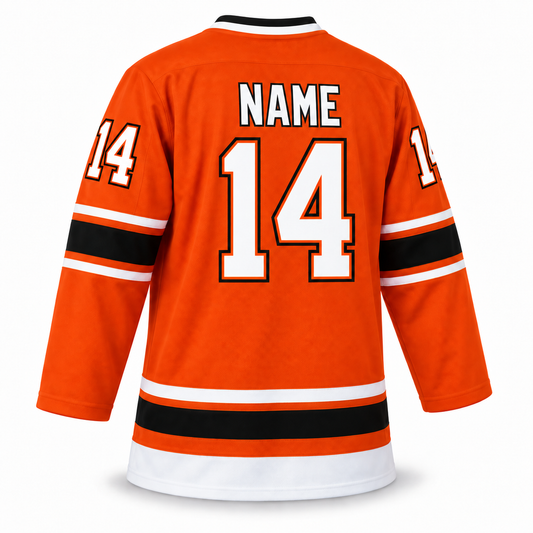
- WHL jerseys — authentic team jerseys, $89.99–$124.99, sizes Small through 5XL plus a goalie cut. Free custom name and number on most.
- WHL tees — soft team T-shirts at $29.99, S through 5XL, in a range of team colorways.
- Fleece — select clubs, such as the San Francisco Seals, offered as a crewneck sweatshirt.
Teams in the collection include the Seattle Totems, San Diego Gulls, Denver Spurs, Phoenix Roadrunners, Los Angeles Blades, San Francisco Seals, Winnipeg Warriors, Salt Lake Golden Eagles, the WHL Stampeders and the original WHL Canucks — plus the junior-era Billings Bighorns. If a club isn't shown, it isn't in the catalog yet; we list only what we actually stock.
Sizes, fit and customization
Jerseys run from Small through 5XL and add a dedicated goalie cut for the roomier goaltender silhouette. Tees run S through 5XL. The jerseys accept a free custom name and number — add your own at checkout. Because a customized jersey is made to order, custom items are final sale; a blank jersey or a tee ships as a standard order. Each product page carries its own size chart so you can measure against something you already own.
Why buy WHL gear from Royal Retros
- Rare-team depth. Totems, Gulls, Spurs, Seals, Blades and more — clubs no big retailer bothers with.
- Free customization. Your name and number on a jersey at no extra charge.
- Real size range. S through 5XL, plus a goalie cut on the jerseys.
- Authentic logos. Built from the teams' real marks, not generic "vintage" art.
- Tees and fleece too. Not just jerseys — everyday western-hockey gear.
Quick buying FAQ
What sizes do you carry? Jerseys and tees run S through 5XL; jerseys add a goalie cut.
Can I add my name and number? Yes, free on the jerseys. Customized jerseys are final sale.
How long does a custom jersey take? Custom pieces are made to order; the timeframe is noted on the product page.
Are these officially licensed? No. These are heritage tribute reproductions, not officially licensed merchandise, and they are not affiliated with, endorsed by or sponsored by any team or league.
What was the Western Hockey League?
The Western Hockey League was a major professional minor-league circuit that ran from 1952 to 1974, formed when the old Pacific Coast Hockey League renamed itself to reflect a reach that stretched across western North America. For two decades it was the best hockey west of the NHL's footprint, fielding as few as five and as many as nine clubs in cities the National Hockey League had not yet reached — Seattle, Vancouver, San Diego, Los Angeles, Denver, Phoenix and beyond. The league ended abruptly: in June 1974 the NHL granted conditional franchises to the owners of the Denver Spurs and Seattle Totems, and the WHL announced the same day that it was folding. Several of its markets went on to host NHL and World Hockey Association teams, which is why so many WHL uniforms feel like the missing prequel to modern pro hockey out west.
Two leagues, one name: the pro WHL and the junior WHL
There are two "Western Hockey Leagues," and it is worth knowing the difference. The one above is the professional league of 1952–1974. The other is the major-junior Western Hockey League — a development league for teenage players that was called the Western Canada Hockey League until it took the WHL name in 1978, and which still operates today. This collection is built mainly around the classic professional teams, but it also includes the junior-era Billings Bighorns, so both threads of western hockey history are represented. Where a team belongs to the junior side rather than the old pro league, that is noted below.
Who were the Seattle Totems?
The Seattle Totems were the crown jewel of the professional Western Hockey League. The Seattle franchise traced back to 1944 and carried several names before settling on the Totems in 1958, and under that banner it won three Lester Patrick Cup championships — 1959, 1967 and 1968. When the WHL folded in 1974, the Totems moved to the Central Hockey League rather than disappear entirely. For a generation of Pacific Northwest fans, the Totems were pro hockey in Seattle decades before the city's modern NHL club, and their totem-pole crest is one of the most beloved logos of the era.
What happened to the San Diego Gulls?
The San Diego Gulls were the brainchild of local sports booster Bob Breitbard, who built the San Diego Sports Arena in 1966 to house them. Playing in the professional WHL from 1966 to 1974, the Gulls gave Southern California a genuine pro hockey team years ahead of the sun-belt expansion boom. They ceased operations in 1974 when the World Hockey Association's Jersey Knights relocated to San Diego, taking over the market. The Gulls name has been revived more than once since, but the WHL original is the one that started it all.
The Denver Spurs, Phoenix Roadrunners and the sun-belt clubs
The Denver Spurs and Phoenix Roadrunners carried pro hockey into cities the NHL wouldn't reach for years. The Spurs were one of the two clubs granted a conditional NHL franchise in 1974 — the move that triggered the league's collapse — and briefly jumped to the World Hockey Association afterward. The Roadrunners gave Phoenix its first taste of the pro game long before the desert had a permanent NHL home. Alongside them, the Los Angeles Blades and the San Francisco Seals flew the WHL flag in California, with the Seals' lineage feeding directly into later big-league hockey in the Bay Area.
Vancouver, the prairies and the WHL's Canadian roots
The league never forgot its Canadian base. The original WHL Canucks were Vancouver's pro team before the NHL arrived in 1970 — the same city, the same name, an earlier chapter. On the prairies, the Winnipeg Warriors and the WHL Stampeders kept the western Canadian game alive, and the Salt Lake Golden Eagles carried the flag into the Mountain West late in the league's run. Each of these clubs is a piece of a hockey map that looked very different from today's.
The junior-era Billings Bighorns
The Billings Bighorns belong to the other Western Hockey League — the major-junior circuit. Formed in 1977 from the relocated Calgary Centennials and playing at Billings' MetraPark, the Bighorns became the first American-based club to reach that junior league's championship final, in 1977–78. They are included here as part of the broader western-hockey story, but they are a junior team of the late 1970s and early '80s, not a member of the 1952–1974 professional league.
What Makes Ours Period-Correct
Construction and accuracy. Sewn-on tackle-twill numbers and lettering where the original build called for it, era-correct fonts and colors, and true-to-original construction — every western-hockey throwbacks design is checked against period references before it goes live.
Extended FAQ
Is a WHL jersey the same quality as a modern hockey jersey? Yes — these are built as wearable jerseys with authentic team graphics, offered blank or with your custom name and number.
Do you carry more western and minor-league hockey teams? Yes. Browse Minor League Hockey HQ and Historic Hockey for more defunct clubs and leagues.
Where do I find every hockey jersey you make? The full jersey catalog lives in Custom Hockey Jerseys, and hockey tees in Hockey T-Shirts.
Shop related collections
- Custom Hockey Jerseys — the full hockey jersey catalog.
- Hockey T-Shirts — soft team tees, S–5XL.
- Denver Spurs — the club that helped end the league.
- Phoenix Roadrunners — pro hockey in the desert.
- Minor League Hockey HQ — more defunct pro clubs.
- Historic Hockey — leagues and teams beyond the WHL.
- Legacy Hockey — the deeper hockey archive.
Shop the Western Hockey League Collection at Royal Retros — authentic western-hockey throwbacks, jerseys $89.99–$124.99, sizes S–5XL.