



-
-
Houston Aeros WHA T-Shirt
Regular price $29.99 USDRegular priceUnit price per -
-
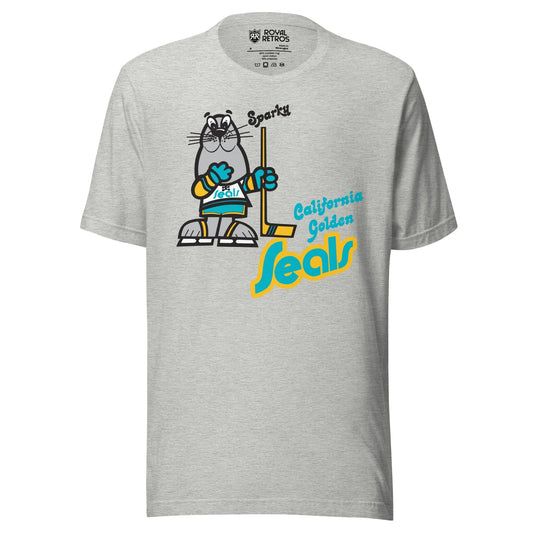
California Golden Seals Sparky T-Shirt
Regular price $29.99 USDRegular priceUnit price per -
-
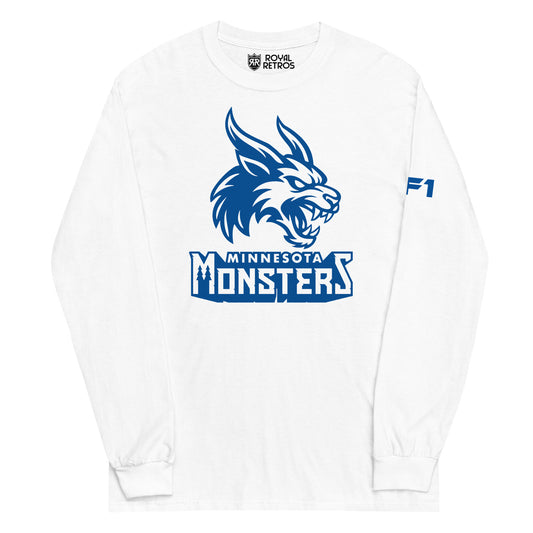
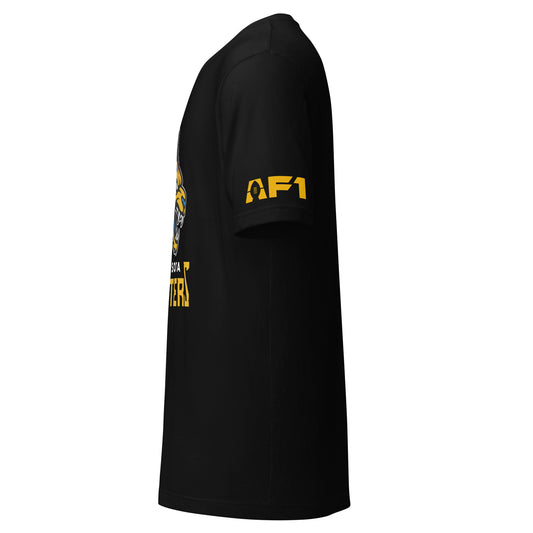
Minnesota Monsters Long Sleeve T-Shirt
Regular price $34.99 USDRegular priceUnit price per -
-
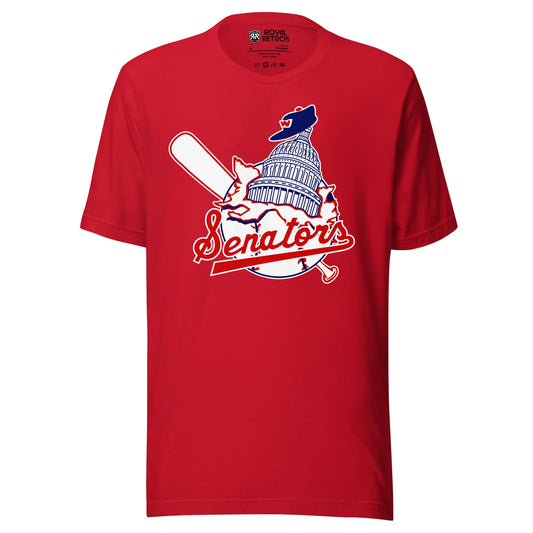
Washington Senators T-Shirt
Regular price $29.99 USDRegular priceUnit price per -
-
Houston Colt 45's T-Shirt
Regular price $29.99 USDRegular priceUnit price per -
-
New York Black Yankees T-Shirt
Regular price $29.99 USDRegular priceUnit price per -
-
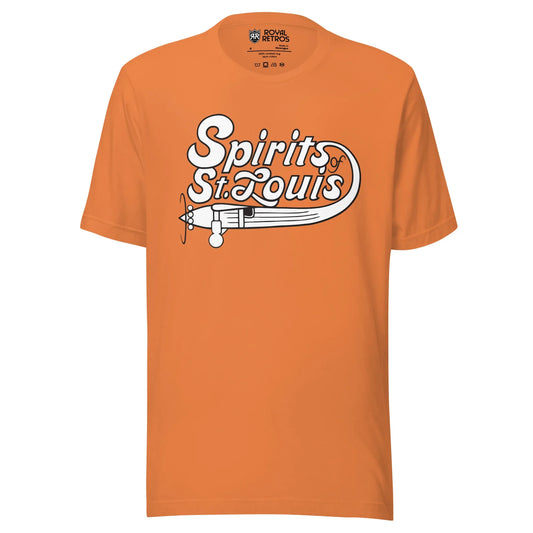
Spirits of St Louis T-Shirt
Regular price $29.99 USDRegular priceUnit price per -
-
Amsterdam Admirals T-Shirt
Regular price $29.99 USDRegular priceUnit price per -
-
Louisiana IceGators T-Shirt
Regular price $29.99 USDRegular priceUnit price per -
-
Minnesota Monsters T-Shirt
Regular price $29.99 USDRegular priceUnit price per -
-
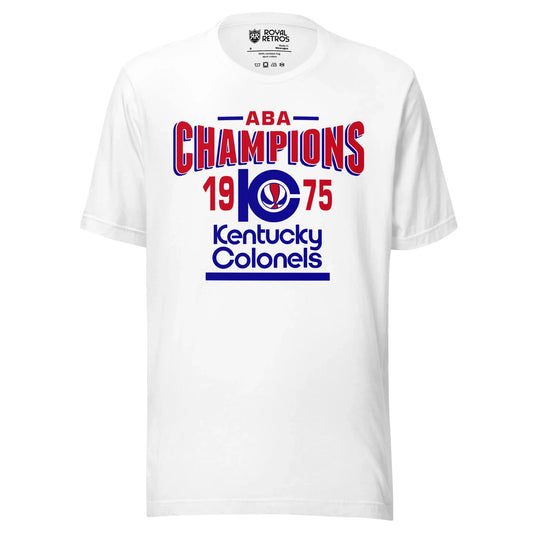
Kentucky Colonels Champions T-Shirt
Regular price $29.99 USDRegular priceUnit price per -
-
-
-
Phoenix Roadrunners T-Shirt
Regular price $29.99 USDRegular priceUnit price per -
-
Tucson Sidewinders T-Shirt
Regular price $29.99 USDRegular priceUnit price per -
-
-























Vintage Sports T-Shirts — Throwback Tees for Defunct Leagues, Vanished Franchises & Historic Teams
626 Active Vintage Sports T-Shirts. Football, Baseball, Hockey, Basketball & Soccer. Sizes S–5XL. $28.99–$49.99.
Royal Retros carries 626 active vintage sports T-shirts pulled from leagues and franchises the big apparel brands never bothered to print. That number comes from a 701-design catalog once you count everything currently in production and everything sitting in the archive — 626 of those designs are live and purchasable today. This is not a single "retro sports" category with a rotating handful of shirts. It's a cross-sport hub spanning five sports and dozens of leagues: spring and revival football, arena football, defunct big-league and minor-league baseball, the WHA and the International Hockey League, the ABA's red-white-and-blue era, and North America's first wave of professional soccer. The standard tee runs $29.99, long sleeve styles run $34.99, and select commemorative and championship-roster tees run $39.99–$49.99. Most styles are cut S through 5XL with no big & tall upcharge; a handful of long sleeve and commemorative runs top out at 4XL or 3XL, so check the size chart on each product page before you order. Every design here starts from a real team identity and a real season — not a generic vintage graphic with the team name swapped in. That matters more than it sounds: a shirt that gets the years active, the league affiliation and the city right is a much better bet to have gotten the graphic itself right too. Whether you are shopping for the team you grew up watching, a league you only just discovered existed, or a gift for a fan who already owns every jersey the big licensed retailers sell, this catalog is built to be searched by sport, by league, by era and by graphic style, not just by team name.
Shop Vintage Sports T-Shirts by Sport
Vintage Football T-Shirts — 301 active tees, the largest single category in the shop, and it covers more ground than any one league. You'll find the current spring-football era (the USFL revival, the XFL revival, and the merged UFL that carries both banners today), the short-lived original 2009 UFL, the AAFC from professional football's earliest post-war challenger era, the 2019 AAF, WLAF/NFL Europe from the league's North American and European years, both tiers of arena football (AF1 and AF2), and a deep run of pre-1952 and pre-merger pro football under the Other Football banner. If a league operated outside the NFL at any point in the last century, there's a decent chance it's represented here.
Vintage Baseball T-Shirts — 94 active tees built around defunct-era franchises, regional minor-league clubs that never had a national jersey program, a pair of Negro Leagues designs, and the Federal League — the self-declared "third major league" that lasted exactly two seasons in 1914 and 1915 before folding. This is where the collection leans hardest into the teams that Wikipedia and old newspaper archives know better than any modern retailer does.
Vintage Hockey T-Shirts — 137 active tees spanning the World Hockey Association's seven-season run as the NHL's only real major-league rival, the International Hockey League's decades as top-tier minor pro hockey, the 1990s inline-skate boom of Roller Hockey International, and Columbus Chill, one of minor-league hockey's most memorable single-market identities.
Vintage Basketball T-Shirts — 45 active tees anchored by the ABA (1967–1976), the league that gave basketball the red-white-and-blue ball, the slam dunk contest and the three-point shot before four of its franchises joined the NBA, plus the BAA, the league that operated from 1946 to 1949 before merging into the NBA itself.
Vintage Soccer T-Shirts — 43 active tees from the sport's first real American boom: the NASL, which brought international stars to U.S. stadiums through the 1970s and early 1980s, and the MISL, the indoor version of the game that ran through the 1980s and into the early 1990s. There's no dedicated soccer tee hub yet, so shop these two league collections directly for the full run of soccer designs.
The remaining handful of active tees sit outside a single sport tag — a roller derby design or two and a few cross-sport commemorative pieces. Every number above is counted from live, purchasable inventory, not the raw catalog total, which is why it won't exactly match the count on the collection's own storefront filter.
Shop by League & Era
This is the deepest part of the catalog and the fastest way to find your team if you already know the league. Every collection linked below is verified live with active product in it — no dead ends. Sports history is full of leagues that lasted one season, merged into a bigger competitor, or simply ran out of money before anyone wrote the story down properly — this section exists because those leagues deserve a real shop, not a single afterthought product buried inside a generic "vintage" catalog.
Football Leagues
Modern spring and revival football. The USFL is the modern revival of the league that briefly signed away college football's biggest names in the early-to-mid 1980s before folding after the 1985 season; it returned in 2022 with teams like the Birmingham Stallions and the Michigan Panthers. The XFL is the rebooted version of the league that first launched in 2001, came back in 2020, and ran again in 2023 with teams like the DC Defenders and the St. Louis Battlehawks. Both leagues merged into a single league starting in 2024 — the UFL — which is where the current, active rosters live today. Keep the two "UFL" names straight: the current UFL is that 2024 USFL–XFL merger, while the original 2009 UFL was a completely separate league that ran from 2009 to 2012 with teams like the Las Vegas Locomotives and the Omaha Nighthawks before folding — different league, different teams, different decade.
1940s–2010s alternative football. The AAFC operated from 1946 to 1949 as professional football's first serious post-war challenger to the NFL, with three of its strongest franchises eventually absorbed into the NFL when the leagues merged. Other Football covers the deeper cut: pre-1952 professional teams old enough that no living trademark applies, names like the Pottsville Maroons, the Frankford Yellow Jackets, the Canton Bulldogs and the Duluth Eskimos — some of the strangest, best long-tail history on the entire site, from an era when pro football was still fighting for legitimacy against the college game. The AAF ran for exactly eight weeks in early 2019 with teams like the Birmingham Iron and the Orlando Apollos before running out of money — one of the shortest-lived spring leagues on record. WLAF / NFL Europe covers the league's full run: its 1991–1992 North American and European seasons under the World League of American Football name, and its 1995–2007 run as a Europe-only league after the North American franchises, including the Montreal Machine and the Sacramento Surge, were dropped.
Arena football. AF1 / Arena Football One is the current top tier of the indoor game, with teams like the Nashville Kats and the Albany Firebirds. AF2 was the sport's developmental tier, running from 2000 to 2009 as the feeder league for the top division. The Arena Football League collection covers the indoor arena game's broader history — note that this is not the 1960s outdoor American Football League that merged with the NFL in 1970. There's no dedicated 1960s AFL collection on this site; that league's history is folded into the general pro-football story rather than a standalone shop.
Hockey Leagues
The World Hockey Association ran from 1972 to 1979 as the NHL's only serious major-league rival of the modern era, signing stars away from the NHL and forcing a bidding war that changed player salaries across the sport. Four WHA franchises — including the teams that became the Winnipeg Jets and the Edmonton Oilers — joined the NHL when the WHA folded in 1979. The International Hockey League spent decades as top-level minor professional hockey, developing players and hosting franchises in markets the NHL never reached. Roller Hockey International covers the 1990s inline-skate hockey boom — a completely different sport from roller derby, run under its own tags and its own licensing status, despite the similar-sounding name. Columbus Chill is a single-team collection built around one of minor-league hockey's most famously chaotic promotional eras in the 1990s.
Basketball Leagues
The American Basketball Association operated from 1967 to 1976 as a genuine alternative to the NBA, known for a faster, flashier style of play, the red-white-and-blue ball, and the first slam dunk contest. Four ABA franchises — the teams that became the Denver Nuggets, the Indiana Pacers, the San Antonio Spurs and the New York Nets — joined the NBA when the leagues merged in 1976. The Basketball Association of America ran from 1946 to 1949, when it merged with the rival National Basketball League to form the NBA — meaning any surviving BAA franchise is, technically, NBA history from its very first season.
Soccer & Other
The North American Soccer League ran from 1968 to 1984 and is best remembered for bringing global superstars — most famously Pelé, who signed with the league's New York franchise in 1975 — to American stadiums for the first time. The Major Indoor Soccer League carried a distinct indoor version of the sport from 1978 into the early 1990s, filling arenas with a faster, higher-scoring format built for indoor play. Roller Derby rounds out the catalog's non-stick-and-ball side with merchandise from the modern derby scene.
Shop by Graphic Style
Beyond sport and league, the catalog breaks down into a handful of recurring graphic approaches, and they line up closely with the decades covered further down this page. Knowing the style you're after can help you narrow the search inside any individual league collection, especially once you've already picked a sport and a league and just need to decide between a plain logo tee and something with more print detail on it.
Logo Tees — a team or league mark printed large and centered on the chest, the way most fans actually wore their gear through the 1970s and 1980s before oversized, all-over graphics became common. Simple, bold, built to read from across a parking lot, and usually the first design a league or team gets when a collection launches.
Wordmark & Script Tees — the team name itself as the graphic, often set in the cursive or block-script lettering that dominated minor-league and alternative-league merchandise before every franchise had a polished, professionally designed vector logo. The Nashville Kats throwback tee is a good example of the wordmark-forward approach.
Ballpark & Arena Tees — designs built around the venue rather than just the crest: stadium silhouettes, skyline graphics, and "est." founding-year treatments that tie a shirt to a specific building and city instead of a generic league mark. These tend to appeal to fans who remember a specific building more than a specific era of the team.
Championship & Commemorative Tees — roster tees, title-season graphics and matchup shirts built to mark a specific game, season or championship, like the Arena Crown Matchup Commemorative Tee. These run a step up in price ($39.99–$49.99) because they typically carry more print detail — full rosters, dates, score lines and multi-color layouts that take more work to reproduce accurately.
Mascot Tees — the team character front and center instead of the wordmark or crest, common on minor-league and arena-football designs where the mascot carried as much of the brand identity as the logo itself, especially at the regional and developmental level where mascot marketing did a lot of the heavy lifting in building local fan loyalty.
Materials, Fit & Sizes
Standard tees in this collection are printed on 100% cotton — a 52% cotton / 48% polyester blend on heather colorways — typically a 4.2 oz combed and ring-spun cotton body. That's pre-shrunk at the mill, side-seamed for shape retention, and cut in a unisex classic fit rather than a tight modern athletic cut. Long sleeve styles, like the Houston Colt .45's long sleeve tee, use the same general fabric family in a long sleeve build. Fabric weight and blend can vary by specific style and print run, so check the "Product Info" section on each product page before you order rather than assuming every shirt in the catalog is built identically.
Sizes. Most standard tees run S–5XL. Long sleeve tees generally run S–4XL. Select commemorative and premium tees, which carry more print detail and sometimes a different blank, run S–3XL. There is no big & tall upcharge on any size Royal Retros offers — a 5XL costs exactly the same as a small on every style that offers it. Because the size ceiling changes by product, always check the size chart on the specific item before you order, especially on long sleeve and commemorative designs where the range is narrower than the standard tee.
Colors. Most standard tees offer several colorways per design — commonly a mix of solid shades like black or white alongside heather blends in the team's primary colors, since heather fabric is where the 52/48 cotton-poly blend comes in. Color availability varies by team and by print run, so the exact lineup on any given product page is the accurate one to shop from rather than assuming every design ships in the same set of colors.
Why Royal Retros
There's no shortage of "vintage sports" apparel online. Most of it is built around a small handful of licensed leagues and a stock design template reused across every team. This catalog takes a different approach.
- 626 active designs, not a rotating handful. Most vintage apparel sites carry a few dozen sports tees built around whatever licensing deal they could get. This catalog spans five sports and dozens of leagues, from major revivals down to single-season franchises.
- Real team identity, not generic vintage clip art. Every design is built from an actual team, season or league mark — not a stock "retro sports" graphic with the team name swapped in from product to product.
- Flat, honest pricing. $29.99 for a standard tee, $34.99 for long sleeve, $39.99–$49.99 for commemorative and championship designs. No surcharge for larger sizes, ever.
- Sizes S–5XL on most styles. True family sizing without a big & tall markup — the shirt costs the same whether it's a small or a 5XL.
- The leagues nobody else carries. The Federal League, the BAA, Roller Hockey International, the 2009 UFL — these are franchises most retailers have never heard of, let alone printed onto a shirt.
- Pair it with the rest of the era. Cross-shop a tee with a custom throwback jersey or a vintage throwback hat from the same team and season for a matched look.
Quick Buying FAQ
What sizes are available?
Most standard tees run S–5XL. Long sleeve styles generally run S–4XL, and some commemorative tees top out at 3XL. Check the size chart on the specific product page — the ceiling varies by style, so don't assume every shirt tops out at the same size.
How much do the shirts cost?
$29.99 for a standard tee, $34.99 for long sleeve styles, and $39.99–$49.99 for select commemorative and championship-roster designs. Prices are the same across every size within a style — no big & tall upcharge.
What are the shirts made from?
Standard tees are 100% cotton (52% cotton / 48% polyester on heather colorways), typically 4.2 oz combed and ring-spun cotton, pre-shrunk and side-seamed in a unisex classic fit. Long sleeve styles use the same general fabric family. Check each product page for the exact spec on that item.
Will the shirt shrink?
The cotton is pre-shrunk at the mill, so shrinkage after a normal wash cycle should be minimal. Wash cold and tumble dry low, or hang dry, to protect the print and hold the fit longest over repeated washes.
How should I care for a printed tee?
Turn the shirt inside out before washing, use cold water, and skip the dryer's high heat setting — a printed graphic lasts noticeably longer with a low-heat or air-dry cycle. Avoid ironing directly on the print, and if you do need to press the shirt, iron the reverse side.
Should I size up?
These run a classic, slightly relaxed unisex fit rather than a modern athletic-cut slim tee. If you prefer a fitted look, order your usual size; if you want extra room to layer over a long sleeve shirt or hoodie underneath, size up one.
How fast does it ship?
Standard tees ship within 3–5 business days. Commemorative and long sleeve styles generally follow the same timeline, but ship time can vary by print run — check the specific product page for any style-specific note before you check out.
What's the return policy?
Standard, non-customized items follow our return policy at /pages/returns. Any product listed as made-to-order or final sale will say so clearly on the product page before you complete checkout.
What kind of designs are these?
Vintage-inspired, heritage-style tribute designs built from real team and league history — real years active, real colors, real marks — rather than a single generic "retro sports" template reused across every product. Licensing status is specific to each individual league and is called out on that league's own collection page rather than assumed here.
The Vintage Sports T-Shirt, Decade by Decade
How did sports T-shirt graphics change in the 1970s?
1970s sports tees look simple because the printing technology behind them was simple and expensive to scale. Most shirts carried a single-color or two-color screen print — a team wordmark or a basic mark — because multi-color screen printing required lining up several ink layers precisely (called registration), and every additional color meant another screen, another pass, and more cost per shirt. Flock lettering, a raised, felt-like fuzzy letter applied with heat, and iron-on tackle-twill-style graphics were common on team gear because they were durable and didn't require multiple screen passes to produce. The result is a look defined by bold, chunky block or collegiate-style lettering, one or two solid colors, and very little fine detail or shading.
What made 1980s sports T-shirt graphics distinct?
The 1980s is when multi-color screen printing became affordable enough for everyday sports merchandise, and the graphics got noticeably busier as a result. Gradient and airbrush-style shading, drop shadows, and outlined block letters all show up in this decade because printers could now register three, four, or more ink colors on a single shirt without the cost being prohibitive for a mass-market product. It's also the decade when oversized, boxy fits became the standard cut — shirts were made generously large and worn loose rather than fitted — which is a big part of why "80s vintage" has such a specific, recognizable silhouette in modern reproduction designs.
Why do 1990s sports tees look the way they do?
The 1990s pushed screen printing to its most maximalist point before digital printing entered the picture: puff ink (a raised, textured print that stands off the shirt), metallic foil accents, all-over graphics that wrapped from the front around the sleeve or onto the back, and aggressive angular fonts influenced by the era's licensed-apparel boom. Major brands built entire product lines around oversized, graphic-heavy sports tees during this stretch, and that loud, maximum-print-coverage look is probably the single most recognizable decade in vintage sports apparel at a glance.
What's the difference between screen printing and DTG (direct-to-garment) printing?
Screen printing pushes ink through a mesh stencil, called a screen, onto the fabric — one color and one pass at a time. It's the technique behind virtually all vintage-era sports apparel, and it produces thick, opaque, slightly raised ink that sits on top of the fabric rather than soaking into it. DTG (direct-to-garment) printing sprays the design directly onto the shirt, similar to how an inkjet printer works on paper, and it became commercially practical in the early-to-mid 2000s. DTG is generally better suited to small print runs and highly detailed, full-color or photographic-style graphics, while screen printing is generally better for larger runs, bold solid colors, and the slightly raised, textured hand-feel that reads as period-correct on a reproduction design. That's a large part of why vintage-style reproduction tees tend to lean on screen printing rather than DTG — it matches the physical texture of the original era, not just the image.
What makes a vintage-style sports tee reproduction good or bad?
A good reproduction gets three things right at once: era-correct typography (the actual letterforms a team or league used in that specific season, not a modern font standing in for "old-timey"), era-correct construction (the right weight of cotton, the right fit, ink with the right texture), and accurate history behind the design (the correct years active, the correct league affiliation, the correct city). A bad reproduction leans on one generic "vintage" font applied across every team and every decade in the catalog, prints on a fabric weight and cut that doesn't match the era it claims to represent, and gets basic facts wrong on the product page — years, league, or city. The gap between a good and bad reproduction is usually obvious the moment you hold it up next to an actual photograph from the season it claims to depict.
How can you date a design by its typography?
Letterforms are one of the most reliable ways to place a sports graphic in its decade, even without any other context. Rounded, collegiate-style block letters with minimal ornamentation point to the 1960s and 1970s, when hand-cut stencils and simple screen setups limited how ornate a design could practically be. Bold, condensed sans-serif letters with drop shadows or gradient fills point to the 1980s, once multi-color printing opened up more visual options. Aggressive, angular, often italicized lettering — frequently paired with metallic foil or outlined "chrome" effects — points to the 1990s and its maximalist licensed-apparel era. Clean, flat vector wordmarks with tight, uniform letter spacing are a 2000s-and-later signature, arriving once digital design software replaced hand-drawn and hand-cut lettering almost entirely. A well-built reproduction tee matches its typography to the actual season it's representing rather than defaulting to whichever font simply looks generically "retro."
How has vintage sports tee reproduction changed since the 2010s?
The biggest shift in the last decade or so has been fabric, not print method. Where 1990s and early-2000s sports tees leaned on heavier, stiffer cotton, the current era of reproduction apparel favors softer, lighter combed and ring-spun cotton — closer to a well-worn, years-old shirt right out of the package. Distressed and deliberately faded print treatments, meant to mimic decades of sun and wash wear, became widely available as printers refined how to age ink artificially without weakening it structurally. At the same time, small-batch and print-on-demand production made it commercially viable to produce shirts for franchises with a genuinely tiny fan base — a single defunct arena football team or a two-season Federal League club — something that would never have justified a factory print run in the licensed-apparel era of the 1990s.
What Makes Ours Period-Correct
Construction and accuracy. Sewn-on tackle-twill and embroidered numbers where the original called for it, era-correct fonts and colors, and true-to-original construction — every design is checked against period references before it goes live.
Extended FAQ
Why don't some vintage sports leagues have official team names on their merchandise?
Some historic team names still overlap with a currently operating professional franchise's trademark. Where that's the case, Royal Retros uses the city-plus-league form in retail listings and titles — a way of referencing the historic team without leaning on a name a live franchise still actively owns — while the full historic name is used freely in narrative and history content, where the team identity itself is the subject.
What's the difference between the WHA and the NHL?
The World Hockey Association was a separate major professional hockey league that operated from 1972 to 1979 in direct competition with the NHL, signing away several of the era's biggest stars and forcing a real bidding war for talent before four WHA franchises joined the NHL when the league folded in 1979.
What was the Federal League in baseball?
The Federal League declared itself a "third major league" in 1914 and operated for exactly two seasons before folding after 1915 — one of the shortest-lived major-league experiments in the sport's history, and part of why Federal League gear is some of the rarest, most obscure baseball merchandise a collector can find.
Is Roller Hockey International the same as roller derby?
No. Roller Hockey International was an inline hockey league that ran through the 1990s, played with sticks and a ball or puck on inline skates. Roller derby is a completely different sport built around track racing and physical contact, with its own separate history, rules and merchandise line on this site — the similar-sounding names are a coincidence, not a shared lineage.
What happened to the BAA?
The Basketball Association of America operated from 1946 to 1949, when it merged with the rival National Basketball League to form the NBA — meaning every surviving BAA franchise is, technically, NBA history from its very first tip-off, even though most fans have never heard the league's original name.
Why are there two different UFL collections?
Because there were two entirely separate leagues that used the same name at different points in time. The original UFL ran from 2009 to 2012 and folded outright. The current UFL launched in 2024 as a merger of the USFL and XFL and is an active league today. They share a name but not a single roster, season, or team — Royal Retros keeps them in separate collections specifically to avoid that confusion.
What's in the Other Football collection?
Pre-1952 professional football — the era before the modern NFL fully consolidated the pro game, when franchises like the Pottsville Maroons, the Frankford Yellow Jackets, the Canton Bulldogs and the Duluth Eskimos played real, competitive professional football in small industrial cities that no longer field a team at any level. None of these names carry a living trademark, which is exactly what makes them safe, rich territory for historically accurate reproduction apparel.
What does "heritage" or "tribute" apparel mean?
It means the design is built from real team history — colors, marks, years active — rather than a generic graphic with the team name swapped in. It is honest, historically researched fan apparel first.
Can I match a tee to a jersey from the same team?
In most cases, yes. Search the team name directly, or start from the league collection linked above and look for a matching jersey in the custom jerseys catalog. Not every team with a tee has a matching jersey design yet, so check availability on the specific team before assuming a full set exists.
What if my team isn't listed above?
The league breakdown above covers every collection verified live at the time this page was built, but the underlying catalog gets new designs regularly. If a specific league or team isn't linked here yet, search the team name directly from the site search bar — a design may already exist without a dedicated league hub built around it yet.
Do you carry current, active teams too?
The focus of this collection is historic, defunct and alternative-league teams — the identities the major licensed retailers skip entirely. A handful of designs reference currently active leagues where the franchise has a genuine throwback story worth telling, but the bulk of the catalog is built around teams and leagues that no longer take the field.
What's the fastest way to find a specific team?
Start with the sport, then narrow to the league. If you know your team played arena football, go to AF1 or AF2. If you know it was a 1970s hockey team that isn't in the NHL, that's almost certainly WHA. The league-by-league breakdown above links directly to every verified, active collection in the catalog.
Shop Related Collections
- AF1 / Arena Football One — the current top tier of arena football.
- All Hats — throwback hats to pair with any tee on this page.
- Basketball T-Shirts — the full ABA and BAA tee lineup.
- Baseball T-Shirts — defunct-era and Federal League baseball tees.
- Custom Jerseys — build a matching throwback jersey for any team on this page.
- Football T-Shirts — the largest single-sport tee category in the shop.
- Hockey T-Shirts — WHA, IHL, Roller Hockey International and Columbus Chill.
- Roller Derby — modern roller derby merchandise.
- USFL — USFL tees, jerseys and hats.
- World Hockey Association — the NHL's 1970s rival league.
- XFL — XFL tees, jerseys and hats.
Vintage Sports T-Shirts — 626 Throwback Designs, Every Forgotten League, One Home at Royal Retros.