



-
CUSTOM
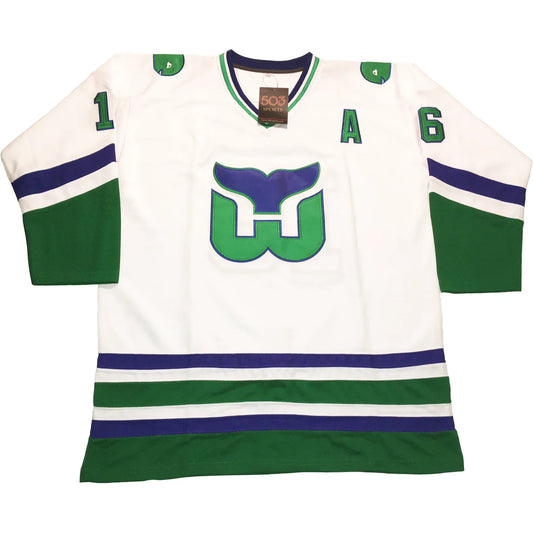
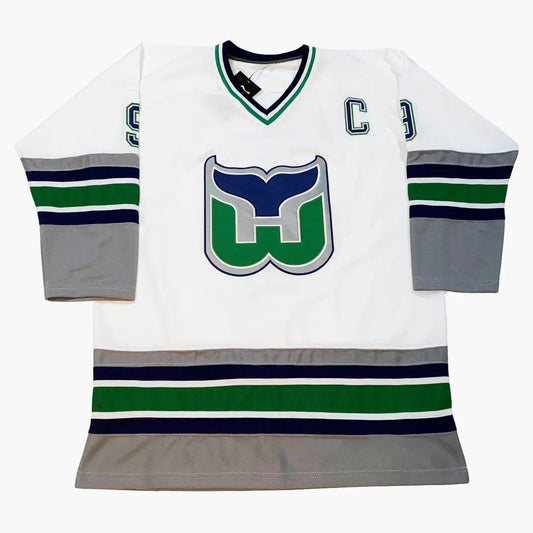
1980s Hartford Whalers Jersey
Regular price Starting at From $89.99 USDRegular priceUnit price per -
-
-
CUSTOM
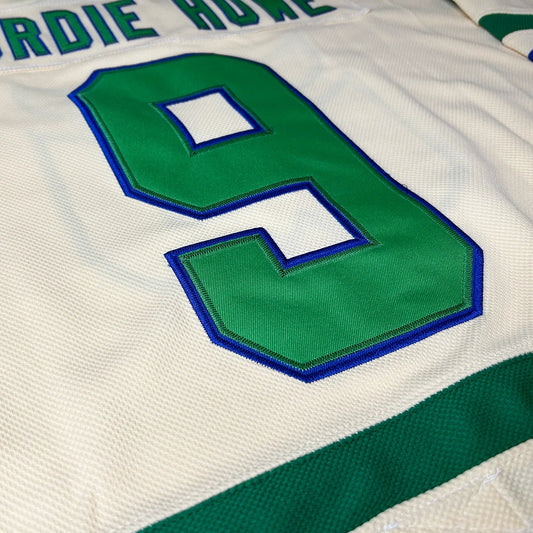
Whalers Vintage Cream Jersey
Regular price Starting at From $89.99 USDRegular priceUnit price per -
-
CUSTOM
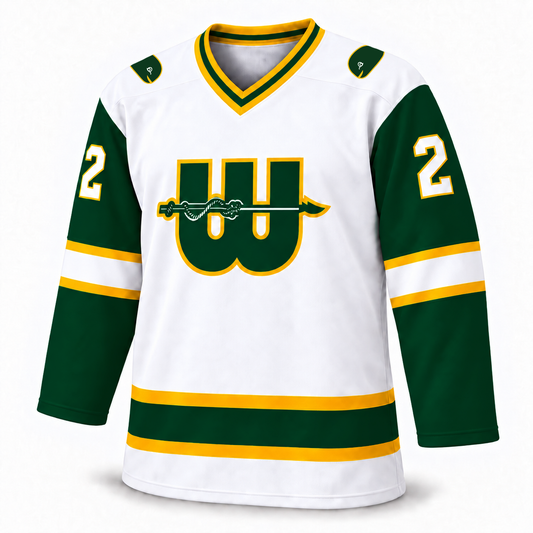
1972 New England Whalers Jersey
Regular price Starting at From $89.99 USDRegular priceUnit price per -
-
CUSTOM
1975 New England Whalers Jersey
Regular price Starting at From $89.99 USDRegular priceUnit price per -
-
CUSTOM
1990s Hartford Whalers Jersey
Regular price Starting at From $89.99 USDRegular priceUnit price per -
-
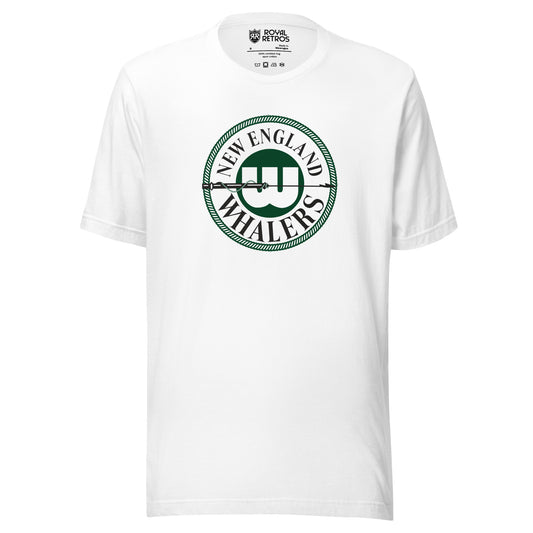
New England Whalers T-Shirt
Regular price $29.99 USDRegular priceUnit price per -
-
CUSTOM
Whalers Remix Jersey
Regular price Starting at From $89.99 USDRegular priceUnit price per -











Recently Viewed
The Hartford Whalers Collection — Royal Retros Hartford Whalers Fan Shop
Authentic Whalers Throwbacks. Custom Names & Numbers. Sizes S–5XL. WHA New England Through NHL Hartford.
Royal Retros carries the deepest Hartford Whalers throwback collection on the open web — authentic green-and-blue jerseys, hats, T-shirts, hoodies, and Connecticut hockey fan apparel covering every era of the franchise from the 1972 WHA New England Whalers through the 1997 NHL Hartford finale. The legendary Whale-tail "H" logo. The "Brass Bonanza" goal anthem. Ron Francis, Kevin Dineen, Pat Verbeek, Mike Liut, Geoff Sanderson. Custom name and number on most jerseys. Sizes S–5XL with no big & tall upcharge. If you're looking for Whalers gear that actually pays attention to the franchise's history, this is the shop.
What You Can Shop in the Hartford Whalers Collection
Hartford Whalers Jerseys — Throwback hockey jerseys spanning the full franchise timeline: WHA-era New England Whalers green-and-white sweaters from the 1972–1979 run, the iconic NHL Hartford green-blue-and-white from 1979–1992, and the controversial 1992–1997 navy-blue-and-silver redesign for the franchise's final NHL years. Twill construction, period-correct sleeve striping, color-matched crests. Custom name and number available on most styles.
Hartford Whalers Hats — Snapbacks, fitted caps, classic wool five-panels, dad hats, trucker styles, and unstructured caps featuring the Whale-tail "H" logo, the WHA New England Whalers wordmark, and Hartford-pride graphics. The Whale-tail logo is one of the most-loved sports designs of all time — every Royal Retros Whalers hat reproduces the original color values and proportions.
Hartford Whalers T-Shirts — Premium pre-shrunk soft-blend tees featuring vintage logos, "Brass Bonanza" callouts, Civic Center nostalgia graphics, "Whalerman" mascot homage, and Hartford hockey history designs. Sized for comfort across S–5XL.
Hartford Whalers Hoodies, Sweatshirts, and Crewnecks — Heavyweight pullovers and crewnecks for vintage-hockey collectors and Connecticut sports fans. Hartford winter is long; a Whalers hoodie is part of the wardrobe.
Hartford Whalers Jackets — Where available, premium outerwear in the Whalers' green-and-blue color scheme — satin bomber, varsity-style, and wool-blend builds for the dedicated fan.
Customization — Most Whalers jerseys can be personalized with your name and number. Free customization on eligible items — look for the "Custom" option on each product listing. Pick a Whalers legend's number — Ron Francis #10, Kevin Dineen #11, Pat Verbeek #16, Geoff Sanderson #8, Mike Liut #1 — or your own. Custom items are final sale and made to order.
Sizes — Small through 5XL on virtually every product. We don't upcharge for big & tall sizes.
Shop the Whalers by Era
The WHA New England Whalers (1972–1979) — The franchise's birth and arguably its greatest single moment: the 1973 Avco World Trophy, the WHA's first-ever championship. Green-and-white sweaters, the original "WHALERS" wordmark, and the inaugural-champion roster of Larry Pleau, Tom Webster, Tim Sheehy, and goaltender Al Smith. WHA-era throwbacks are the deepest cuts in the collection — this is where Hartford hockey began. Cross-shop the broader WHA collection for related franchises.
The Classic NHL Hartford Whalers (1979–1992) — The Whale-tail "H" logo, the green-and-blue color scheme, the Civic Center crowds, "Brass Bonanza" blasting after every goal. This is the era most people picture when they hear "Whalers" — Ron Francis taking faceoffs, Kevin Dineen battling in the corner, the 1986 playoff run that came within a goal of the Conference Finals. The bulk of the collection focuses here.
The Final NHL Era (1992–1997) — The 1992 redesign moved the franchise to navy-blue and silver, retired the Whale-tail crest, and introduced a new Whaler-character logo. Polarizing then, increasingly collected now. Geoff Sanderson, Brendan Shanahan, Andrew Cassels, Sean Burke, Chris Pronger's brief Whalers years all wore this crest.
Connecticut Hockey Pride (1997–Present) — Even after the franchise's relocation to North Carolina, the Whalers brand never died. Carolina Hurricanes throwback nights regularly feature green-and-blue. The Whale-tail logo lives on in apparel, fan culture, and the Hartford Yard Goats' annual "Hartford Whalers Night" promotion. Our collection serves the Connecticut hockey faithful who never stopped representing.
Why Royal Retros Is the Home of Hartford Whalers Throwback Gear
- Multi-era coverage. WHA New England (1972–1979), Classic NHL Hartford (1979–1992), Final NHL Era (1992–1997). Most Whalers retailers carry one era. We carry all three.
- The Whale-tail logo, done right. Period-correct color values, proportions, and stitching. The Whale-tail is iconic specifically because it's perfect — and we treat it that way.
- Authentic period-correct construction. Twill stitched crests on replica jerseys, sublimated fabrics on custom builds, period-correct sleeve striping and color blocking.
- Free customization on most jerseys. Add your name and number at no extra cost on eligible items.
- Sizes Small through 5XL. No big & tall upcharge.
- Cross-sport Connecticut hockey representation. Connecticut sports fans can pair a Whalers jersey with Connecticut Whale, New Haven Beast, and other Connecticut sports throwbacks in a single order.
Quick Buying Questions
What sizes do Whalers jerseys come in?
Small through 5XL on virtually every jersey style. Hats are typically one-size-fits-most (snapback / flex) or fitted in standard cap sizes. We don't upcharge for big & tall.
Can I customize my Whalers jersey with a name and number?
Yes — most styles offer free customization. Look for the "Custom" option on the product listing. Custom items are final sale and made to order. Allow 7–10 business days for production before shipping.
What materials are Whalers jerseys made from?
Heavyweight twill on most replica jerseys, sublimated polyester on custom and remix styles, period-correct construction on select pieces. T-shirts are premium pre-shrunk cotton. Hoodies and sweatshirts are heavyweight cotton blends.
How accurate is the design?
The Whale-tail logo is reproduced at correct color values and proportions. WHA-era graphics use 1972–1979 reference. Classic NHL Hartford graphics use 1979–1992 reference. Final-era graphics use 1992–1997 reference. We don't modernize or stylize the look.
How fast does it ship and what's the return policy?
Standard products ship within 3–5 business days. Custom items (those with personalized name/number) are made to order and ship within 7–10 business days. Custom items are final sale. Standard items follow our return policy at /pages/returns.
Gift Ideas for the Hartford Whalers Fan in Your Life
Hartford Whalers fans are a specific kind of fan — older, deeply nostalgic, often Connecticut-rooted, and more than a little wounded by the 1997 relocation. The Whalers fan deserves more than a generic NHL gift. The Whalers fan deserves a piece of the lost franchise back.
- For the Connecticut native who watched at the Civic Center: A classic Whale-tail jersey with Ron Francis #10 or Kevin Dineen #11 — the era they actually saw live.
- For the WHA hockey historian: A 1973 New England Whalers Avco-Champion-era jersey or T-shirt — the rarest pre-NHL Hartford gear at retail.
- For the Brass Bonanza superfan: A "Brass Bonanza" T-shirt or hoodie — pure Hartford goal-song nostalgia.
- For the cap collector: A Whale-tail snapback in classic green-blue-and-white. The logo is so iconic it works on every cap style.
- For the expat who left Hartford: Anything Whalers. The Hartford diaspora is real, and the Whalers logo remains the strongest emotional tether.
- For the relocated Carolina fan who started on Whalers: Hartford Whalers gear plus the Whalers throwback story (Carolina has worn the green-and-blue more than once for retro nights).
- Year-round gift demand. Whalers gear sells across birthdays, Father's Day, Christmas, anniversaries — Connecticut hockey nostalgia is not seasonal.
What Were the Hartford Whalers?
The Hartford Whalers (1972–1997) were a major professional ice hockey franchise that played seven seasons in the World Hockey Association as the New England Whalers (1972–1979) and 18 seasons in the National Hockey League as the Hartford Whalers (1979–1997). The franchise was based in Hartford, Connecticut for the bulk of its existence and remains one of the most beloved "lost" professional sports franchises in North American history.
The Whalers were a charter member of the WHA, founded as the New England Whalers in 1972 with the express intention of bringing major-league hockey to a region — southern New England — that the NHL had ignored. They won the WHA's inaugural Avco World Trophy championship in 1973 with a 4–1 series victory over the Winnipeg Jets, played out of Boston Garden, Hartford Civic Center, and Springfield Civic Center across their WHA tenure, and were one of four WHA franchises admitted to the NHL in 1979 alongside the Edmonton Oilers, the Quebec Nordiques, and the Winnipeg Jets.
The Whalers' NHL years (1979–1997) made the franchise into a cultural icon. The Whale-tail "H" logo — designed by Peter Good of Chermayeff & Geismar in 1979 — became one of the most universally beloved logos in professional sports, regularly topping "best logos in sports history" rankings even decades after the franchise's relocation. The "Brass Bonanza" goal song, written by Jack Say in 1975, became the most iconic goal anthem in hockey history. The franchise relocated to North Carolina in 1997 to become the Carolina Hurricanes, who won the 2006 Stanley Cup. But the Whalers brand never died — it lives on in throwback nights, Carolina retro jerseys, Hartford-area fan gatherings, and a steady, growing market for vintage Whalers apparel.
The Hartford Whalers Era-by-Era History
The Founding (1971–1972). The New England Whalers were founded as a WHA charter franchise in 1972 by majority owner Howard Baldwin, with the intention of basing the team in Boston and competing directly with the Boston Bruins. The franchise was awarded one of the WHA's twelve original franchise slots in November 1971 and announced its founding ahead of the league's October 1972 launch.
1972–73 — The Inaugural Avco Champions. The Whalers played their first WHA season largely out of Boston Garden, secured the East Division regular-season title, and won the inaugural Avco World Trophy — the WHA's championship — by defeating the Winnipeg Jets 4–1 in the championship series. Player-coach Larry Pleau, sniper Tom Webster (53 goals during the regular season), Tim Sheehy, and goaltender Al Smith powered the championship roster. The 1973 Whalers remain the only franchise to win an Avco World Trophy in its inaugural season.
1973–1976 — The Boston-to-Hartford Transition. Despite the championship, the Whalers struggled to draw fans in Boston due to the city's locked-in Bruins fanbase. The franchise relocated to Hartford for the 1974–75 season, opening play at the Hartford Civic Center. A January 1978 roof collapse at the Civic Center forced the team to play home games at the Springfield Civic Center until the Hartford arena was rebuilt and reopened in 1980. Despite the venue chaos, the Whalers remained competitive, reaching the WHA playoffs every season.
1976–1979 — The Closing WHA Years. The Whalers' final WHA seasons featured Mark Howe and Gordie Howe — the same Howe family duo that had captained the Houston Aeros to back-to-back Avco titles in 1974 and 1975. After the Aeros folded in 1978, the Howes finished their WHA careers wearing New England green and white. Gordie was 51 years old in his final WHA season; Mark was 23 and entering his prime.
1979 — The NHL Merger and Rebrand. The Whalers were one of four WHA franchises admitted to the NHL for the 1979–80 season, alongside the Edmonton Oilers, the Quebec Nordiques, and the Winnipeg Jets. The merger required the franchise to drop "New England" from its name (per a settlement with the Boston Bruins, who claimed regional naming rights) and the team became the Hartford Whalers. The franchise unveiled the Peter Good–designed Whale-tail logo, the green-and-blue color scheme, and a new identity that would define the franchise for the next 13 years.
1979–1985 — The Building Years. The early NHL Hartford Whalers struggled with the merger's restrictive expansion-draft rules — they had to give up most of their WHA roster and rebuild from a depleted talent base. Larry Pleau served as the franchise's first NHL head coach. Mark Howe led the team in scoring before being traded to the Philadelphia Flyers in 1982 in a deal that yielded Greg Adams, Ken Linseman, and a draft pick. The Whalers also signed Gordie Howe to one final NHL contract, allowing the 51-year-old to play his 26th and final professional season in 1979–80, becoming the only player in NHL history to play in five different decades.
1981 — The Ron Francis Draft Pick. Hartford selected Ron Francis with the 4th overall pick in the 1981 NHL Entry Draft. Francis would become the franchise's all-time leading scorer (821 points in 714 games as a Whaler), the team captain through most of the 1980s, and one of the most respected players in NHL history. The Francis pick was, in retrospect, the single most important transaction in franchise history.
1986 — The Adams Division Final Run. The 1985–86 Whalers, led by Francis, Kevin Dineen, Sylvain Turgeon, Ray Ferraro, and goaltender Mike Liut, won 40 games and reached the Adams Division Final — the second round of the playoffs. They eliminated the defending Stanley Cup champion Quebec Nordiques in three games before falling to the eventual Conference champion Montreal Canadiens in seven games. Game 7 went to overtime; Claude Lemieux scored the series winner. The 1986 run remains the deepest playoff run in franchise history and the high-water mark of NHL Hartford.
1987–1991 — The Plateau Years. Hartford remained competitive through the late 1980s under coaches Jack "Tex" Evans and Rick Ley. The team made the playoffs in 1987, 1988, 1989, 1990, and 1991 but failed to advance past the Division Semifinals in any of those runs. Ron Francis, Kevin Dineen, Ulf Samuelsson, and Pat Verbeek formed the core of those teams.
March 4, 1991 — The Ron Francis Trade. One of the most controversial trades in NHL history. The Whalers traded captain Ron Francis, Ulf Samuelsson, and Grant Jennings to the Pittsburgh Penguins in exchange for John Cullen, Jeff Parker, and Zarley Zalapski. Francis went on to win two Stanley Cups with the Penguins (1991, 1992), become a Hall of Fame center, and finish his career as the second-highest assist-leader in NHL history. The Whalers received marginal returns. The Francis trade is still cited as one of the worst trades in NHL history and accelerated the franchise's decline.
1992 — The Logo and Color Scheme Redesign. Ownership commissioned a comprehensive rebrand for the 1992–93 season. The Whale-tail logo was retired in favor of a new "Whaler" character logo. The classic green-and-blue color scheme was replaced with navy-blue and silver. The redesign was widely panned by fans and is now seen as a symbolic rejection of the franchise's heritage. The redesigned uniforms were worn for the franchise's final five NHL seasons.
1992–1997 — The Final Years. Despite the rebrand, the Whalers remained a respectable NHL team through the mid-1990s, anchored by Geoff Sanderson, Brendan Shanahan, Andrew Cassels, Sean Burke, and a young Chris Pronger. The team made the playoffs in 1992 but missed in 1993, 1994, 1995, 1996, and 1997. Ownership changes, the failed bid for a new arena in Hartford, and pressure from a soft Connecticut hockey market eventually forced the franchise's relocation.
April 13, 1997 — The Final Game. The Whalers played their final NHL game on April 13, 1997, defeating the Tampa Bay Lightning 2–1 at the Hartford Civic Center in front of a sellout crowd of 15,635. Kevin Dineen scored the game-winner. The crowd serenaded the team with "Brass Bonanza" and a 30-minute standing ovation after the final horn. The franchise relocated to Greensboro, North Carolina that summer and was rebranded as the Carolina Hurricanes for the 1997–98 NHL season.
The Whale-Tail Logo — A Closer Look
The Whale-tail "H" logo is one of the most beloved sports designs ever created. Designed by Peter Good of the Connecticut design studio Chermayeff & Geismar in 1979 for the franchise's NHL launch, the logo cleverly integrates the letter "H" (for Hartford), the letter "W" (for Whalers, formed by the negative space between the H's vertical strokes and the green whale's tail above it), and a stylized whale's tail across the top — three references hidden inside one mark.
The color scheme — classic Whalers green (Pantone 354) for the outer H, deep blue (Pantone 540) for the whale's tail and inner negative space, with white as the field — was specifically chosen to evoke northeastern Atlantic ocean colors and Connecticut's coastal identity. The logo has only ever existed in one official color combination; modern reproductions that use any other palette are not authentic.
In 2019, the Whale-tail logo was named the greatest logo in NHL history by The Hockey News. ESPN, Bleacher Report, Sports Illustrated, and dozens of other outlets have ranked it as one of the best logos in all of sports. The Carolina Hurricanes have worn Whalers throwback uniforms featuring the original Whale-tail crest multiple times since 2018, generating enormous merchandise demand each time. The Whale-tail is, simply, perfect.
Brass Bonanza — The Greatest Goal Song in Hockey
"Brass Bonanza" — the boisterous, brass-driven instrumental track played at Whalers home games every time Hartford scored a goal — was composed by Jack Say in 1975 and adopted as the team's official goal-celebration anthem during the WHA New England Whalers years. The song followed the franchise into the NHL and continued through the team's final game in 1997. It is, by virtually unanimous consensus among hockey fans, the most iconic goal song in the history of professional hockey.
The song's appeal is unique. It's not a rock anthem like the Boston Bruins' "TNT" or a stadium chant like the Chicago Blackhawks' Tomahawk. It's a 30-second polka-tinged brass fanfare that sounds like a circus parade arriving in Hartford. Every Whalers fan can hum it from memory. It's been incorporated into the Carolina Hurricanes' modern goal celebrations, sampled in commercials, and used in dozens of NHL retrospective documentaries.
A Royal Retros Whalers T-shirt with "BRASS BONANZA" printed across the chest is the most niche, deepest-cut Hartford gift available. Anyone wearing one has serious Connecticut hockey credentials.
The Greatest Hartford Whalers Players
Ron Francis (#10, 1981–1991). Hall of Fame center. Whalers' all-time leading scorer with 821 points. Drafted 4th overall in 1981. Team captain through the late 1980s. The franchise's most iconic player and the cornerstone of the 1986 Adams Division Final run. Traded to Pittsburgh in 1991 — one of the most controversial trades in NHL history. Won two Stanley Cups in Pittsburgh. Inducted into the Hockey Hall of Fame in 2007.
Kevin Dineen (#11, 1984–1991, 1995–1997). Hartford-born hockey royalty (his father Bill Dineen coached the franchise). The franchise's emotional leader through the late 1980s and the man who scored the final goal in NHL Hartford history on April 13, 1997. 235 career goals as a Whaler. Tough, physical, beloved. Few players in NHL history were more closely identified with one franchise.
Pat Verbeek (#16, 1989–1995). "The Little Ball of Hate." 192 career goals as a Whaler — third in franchise history. A 40-goal scorer in 1990–91 and again in 1992–93. Universally respected as one of the toughest pound-for-pound NHL players of his era.
Mike Liut (#1, 1985–1990). Goaltender, captain, the man between the pipes for the 1986 Adams Division Final run. 115 wins as a Whaler. Acquired in 1985 from St. Louis in a trade for Mark Johnson and Greg Millen.
Ulf Samuelsson (#5, 1985–1991). Defenseman known for his physical play. Anchored the Whalers' blueline through the late 1980s. Traded to Pittsburgh in the 1991 Francis deal and helped the Penguins win two Cups.
Mark Howe (#4, 1979–1982). Bridged the WHA-to-NHL transition. Posted three seasons of strong defensive play before being traded to Philadelphia for what would become a Hall of Fame career. Hockey Hall of Fame, 2011.
Gordie Howe (#9, 1979–80). The legend played his 26th and final NHL season at age 51 with the Whalers — becoming the only player to play in the NHL across five different decades.
Geoff Sanderson (#8, 1990–1997). Speed forward, 40-goal scorer twice. The face of the franchise's final NHL years. 161 career goals as a Whaler.
Brendan Shanahan (#19, 1995–1996). Brief Whalers tenure, but star power that the late-era franchise rarely got to enjoy. 44 goals in his single Whalers season before being traded to Detroit, where he would win three Stanley Cups.
Sean Burke (#1, 1992–1997). Goaltender, the franchise's last NHL starter, and one of the most respected goalies of the 1990s. Made the 1997 NHL All-Star team in the franchise's final season.
Andrew Cassels (#21, 1991–1997). Center, the Whalers' steady playmaker through the rebuild years. 506 career points as a Whaler, fourth in franchise history.
Chris Pronger (#44, 1993–1995). Drafted 2nd overall by the Whalers in 1993. Played two seasons in Hartford before being traded to St. Louis. Future Hall of Famer who never quite got to bloom in green-and-blue but whose Whalers rookie cards remain coveted.
Other notables: Sylvain Turgeon, Ray Ferraro, Dave Tippett, Ulf Samuelsson, John Anderson, Doug Jarvis, Bill Gardner, Dean Evason, Pat Boutette, Pierre Larouche, Steve Konroyd — and from the WHA New England years, Larry Pleau, Tom Webster, Tim Sheehy, Al Smith, Rick Ley, Jordy Douglas, Gordie Roberts.
The Civic Center — The Heart of Hartford Hockey
The Hartford Civic Center, opened in 1975, was the home of the Whalers from the team's relocation to Hartford in 1974 (originally at the Springfield Civic Center until the Hartford arena was completed) through the franchise's final game in 1997. Its 15,635 hockey seating capacity was small by NHL standards even in the 1980s, but the building's intimacy and the city's hockey culture made every Whalers home game feel like a cathedral event.
The 1978 roof collapse at the Civic Center — a partial structural failure that occurred just hours after a Whalers home game ended, with no injuries — forced the franchise to relocate temporarily to the Springfield Civic Center for two seasons while the Hartford arena was rebuilt and expanded. The rebuilt arena reopened in 1980 with expanded seating and remained the franchise's home through 1997.
The Civic Center is now known as the XL Center, and still hosts the Hartford Wolf Pack of the AHL. Whalers banners — including the 1973 Avco World Trophy banner — hang in the rafters. Connecticut hockey fans still gather at the building for throwback events.
The Carolina Relocation and the Whalers' Continuing Legacy
The 1997 relocation of the Whalers to North Carolina was driven by a combination of declining attendance, ownership instability under Peter Karmanos Jr., the failure to secure public funding for a new Hartford arena, and the broader 1990s wave of NHL teams chasing southern U.S. expansion. The franchise was renamed the Carolina Hurricanes for the 1997–98 NHL season, and after a transitional period playing in Greensboro while a permanent arena was built in Raleigh, settled into the PNC Arena (originally the RBC Center).
The Hurricanes won the Stanley Cup in 2006 — their ninth NHL season — defeating the Edmonton Oilers in seven games. Many former Whalers, including Ron Francis (then in a front-office role) and Glen Wesley (a longtime Hartford defenseman), were involved with the championship run. The Cup was a vindication for the franchise but also a reminder of what Hartford had lost.
Beginning in 2018, the Carolina Hurricanes have worn Whalers throwback jerseys for select home games each season. The throwback program has been a massive merchandising success — Whalers gear consistently outsells current Hurricanes gear when available. The ongoing throwback program has kept the Whale-tail logo in active production and has driven a generation of younger fans to discover the franchise.
Hartford has actively pursued an NHL return for nearly 30 years. The XL Center has been periodically updated to NHL standards. Local ownership groups have made repeated bids. The current consensus among hockey insiders is that NHL Hartford remains a viable target market — but no formal expansion or relocation has materialized.
What Makes Ours Period-Correct
Construction and accuracy. Sewn-on tackle-twill numbers and lettering where the original build called for it, era-correct fonts and colors, and true-to-original construction — every Hartford Whalers design is checked against period references before it goes live.
More Frequently Asked Questions About the Hartford Whalers
When did the Hartford Whalers exist?
The franchise was founded as the New England Whalers in 1972 and joined the WHA. They relocated to Hartford in 1974, joined the NHL in 1979 (renamed Hartford Whalers), and relocated to North Carolina in 1997 (rebranded Carolina Hurricanes). The Whalers brand existed for 25 seasons across the WHA and NHL.
Did the Whalers ever win a Stanley Cup?
No. The Whalers never won a Stanley Cup as an NHL franchise. They did win the Avco World Trophy in 1973 — the WHA's championship — as the inaugural Avco champion. Their successor franchise, the Carolina Hurricanes, won the Stanley Cup in 2006.
Who was the Whalers' best player?
Ron Francis, by virtually every statistical measure. He's the franchise's all-time leading scorer (821 points), spent 10 seasons in Hartford, captained the team, and is in the Hockey Hall of Fame.
What was Brass Bonanza?
The Hartford Whalers' goal celebration song, composed by Jack Say in 1975. A 30-second brass-and-polka instrumental that played every time the Whalers scored at home. It's the most iconic goal song in NHL history and remains beloved decades after the franchise's relocation.
Why did the Whalers move?
A combination of declining attendance through the mid-1990s, instability under owner Peter Karmanos Jr., the failure of public arena funding in Hartford, and broader NHL pressure to chase southern U.S. expansion markets. The franchise relocated to North Carolina in 1997 to become the Carolina Hurricanes.
Is the Hartford Whalers logo officially the best in sports?
By many credible rankings, yes. The Hockey News named it the greatest NHL logo of all time. ESPN and Sports Illustrated have ranked it as one of the best logos across all of professional sports. Its hidden "W" inside the negative space of the H, combined with the whale's tail and the perfect green-and-blue color scheme, has aged remarkably well.
Does Royal Retros carry New England Whalers WHA gear?
Yes. The collection covers the full WHA New England Whalers era (1972–1979) including the 1973 Avco World Trophy champion roster. WHA-era Whalers gear is genuinely rare on the open market.
Will the Whalers ever come back to Hartford?
Hockey insiders consistently rank Hartford as one of the most viable expansion or relocation targets in North America, but no formal plans have materialized. The XL Center continues to be updated and Connecticut hockey culture continues to support the dream. We share the hope.
Where can I find related Royal Retros collections?
The Whalers have natural cross-shop neighbors across the catalog: the broader WHA collection (other 1972–1979 franchises), Connecticut sports (for cross-sport Connecticut throwbacks), Legacy Hockey (for other defunct franchises), Historic Hockey (for pre-NHL throwbacks), and our broader hockey collection.
Connecticut Hockey Cross-Shop
The Hartford Whalers anchor a deeper Connecticut hockey heritage that Royal Retros covers across multiple collections. Pair a Whalers jersey with:
- The Connecticut sports collection — featuring the Connecticut Whale (AHL successor in spirit to the Whalers), New Haven Beast, Connecticut Sun, Hartford Hellions, and other Connecticut sports throwbacks.
- The WHA collection — for fellow WHA franchises including Winnipeg Jets, Houston Aeros, Quebec Nordiques, and the rest of the league.
- The Legacy Hockey collection — for fans of other defunct or relocated franchises like the California Golden Seals.
- Northeastern minor-pro hockey heritage — for the Connecticut native who remembers the AHL's New Haven Nighthawks and other regional teams.
Hartford Whalers at Royal Retros — Authentic WHA & NHL Throwbacks. Custom Names & Numbers. Sizes S–5XL. The Whale-Tail Lives On.